
Tooth Extraction in Holly Springs: Safe, Comfortable, and Expert Dental Care

A healthy smile plays an important role in your overall well-being. While dentists always strive to preserve natural teeth whenever possible, there are situations where tooth extraction becomes the best solution to protect your oral health. If you’re looking for tooth extraction in Holly Springs, understanding the procedure, its benefits, recovery process, and when it’s necessary can help you feel more confident about your treatment.
Modern dentistry has made tooth extraction safer and more comfortable than ever before. With advanced technology, gentle techniques, and effective local anesthesia, most patients experience minimal discomfort during the procedure. Whether you have a severely damaged tooth, impacted wisdom tooth, or overcrowding issues, professional tooth extraction can relieve pain and prevent future dental complications.
What Is Tooth Extraction?
Tooth extraction is the removal of a tooth from its socket in the jawbone. Dentists only recommend this procedure when a tooth cannot be restored with treatments such as fillings, crowns, or root canal therapy.
Extractions may be classified into two types:
- Simple Extraction: Performed on teeth that are visible above the gum line.
- Surgical Extraction: Required for impacted, broken, or partially erupted teeth that need additional care.
Your dentist will evaluate your oral condition using digital X-rays before recommending the most suitable treatment.
Common Reasons for Tooth Extraction
There are several situations where tooth extraction may be necessary.
Severe Tooth Decay
When decay has destroyed a significant portion of the tooth and restoration is no longer possible, extraction helps eliminate infection and prevent it from spreading.
Advanced Gum Disease
Periodontal disease can weaken the supporting bone and tissues around a tooth, making extraction necessary to preserve surrounding oral structures.
Impacted Wisdom Teeth
Wisdom teeth often become trapped beneath the gums or grow at improper angles, causing pain, swelling, infections, and damage to neighboring teeth.
Dental Trauma
Teeth fractured below the gum line due to accidents or sports injuries may require extraction if they cannot be repaired.
Overcrowding
Orthodontic treatment sometimes requires removing one or more teeth to create enough space for proper alignment.
Infection
Severe dental infections that do not respond to antibiotics or root canal treatment may require extraction to protect your overall health.
Signs You May Need a Tooth Extraction
You should schedule a dental evaluation if you experience:
- Persistent tooth pain
- Swollen or bleeding gums
- Loose permanent teeth
- Severe decay
- Recurring dental infections
- Difficulty chewing
- Impacted wisdom tooth pain
- Facial swelling
- Jaw discomfort
- Broken teeth beyond repair
Early diagnosis often prevents more extensive dental problems.
What to Expect During the Procedure
Many patients feel anxious before having a tooth removed. Fortunately, modern tooth extraction procedures are designed to maximize comfort.
Initial Examination
Your dentist will:
- Review your medical history
- Take digital X-rays
- Examine the affected tooth
- Discuss treatment options
- Explain the procedure
Local Anesthesia
The area around the tooth is completely numbed using local anesthesia. Patients usually feel pressure during extraction but little to no pain.
Tooth Removal
For simple extractions, the dentist gently loosens and removes the tooth using specialized instruments.
For surgical extractions, a small incision may be made in the gums, and the tooth may be divided into smaller sections for easier removal.
Aftercare
Once the tooth is removed, gauze is placed over the extraction site to control bleeding and encourage clot formation.
Tooth Extraction Recovery
Healing usually occurs over several days, although complete bone healing may take a few months.
To promote faster recovery:
- Bite gently on the gauze as instructed.
- Rest for the first 24 hours.
- Apply cold compresses to reduce swelling.
- Take prescribed medications as directed.
- Eat soft foods like yogurt, soup, mashed potatoes, and smoothies.
- Stay hydrated.
- Brush carefully while avoiding the extraction site.
Foods to Eat After Extraction
Soft foods are recommended during the healing period.
Good choices include:
- Applesauce
- Yogurt
- Mashed potatoes
- Scrambled eggs
- Oatmeal
- Cottage cheese
- Smoothies
- Pasta
- Rice
- Soup (cooled slightly)
Avoid crunchy, spicy, or hard foods until healing progresses.
What to Avoid After Tooth Extraction
Following your dentist’s instructions is essential.
Avoid:
- Smoking or vaping
- Drinking through a straw
- Vigorous rinsing
- Heavy exercise for 24–48 hours
- Alcohol
- Hard or sticky foods
- Touching the extraction site with fingers or tongue
These activities may dislodge the blood clot and lead to a painful condition called dry socket.
Benefits of Professional Tooth Extraction
Timely tooth extraction offers several important advantages.
Pain Relief
Removing an infected or damaged tooth eliminates ongoing discomfort.
Prevents Infection Spread
Extraction helps stop bacteria from affecting nearby teeth, gums, or bone.
Improves Oral Health
Removing problematic teeth creates a healthier environment for surrounding teeth.
Supports Orthodontic Treatment
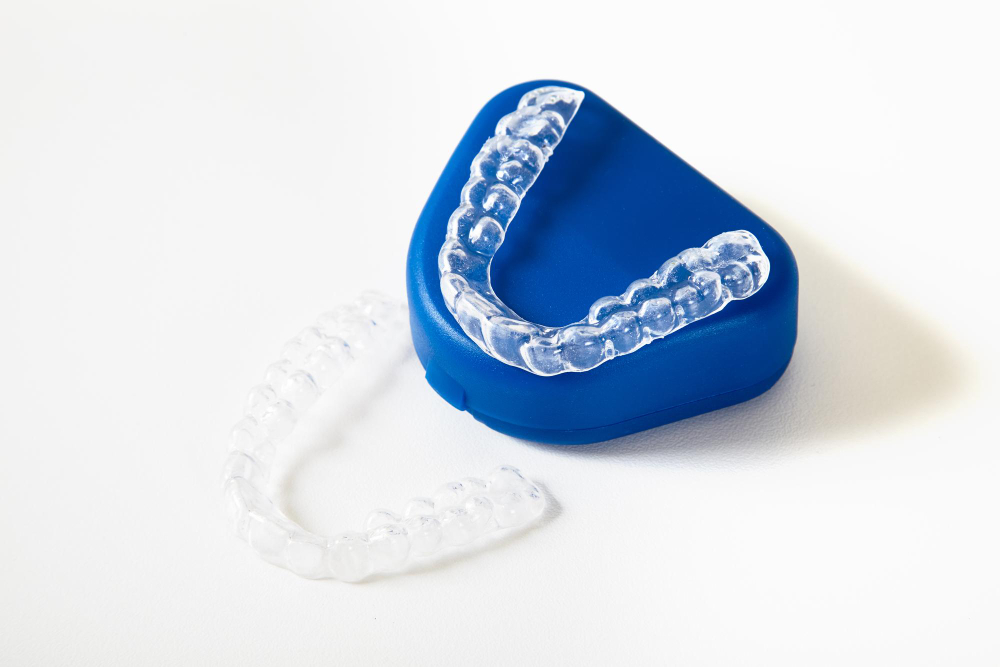
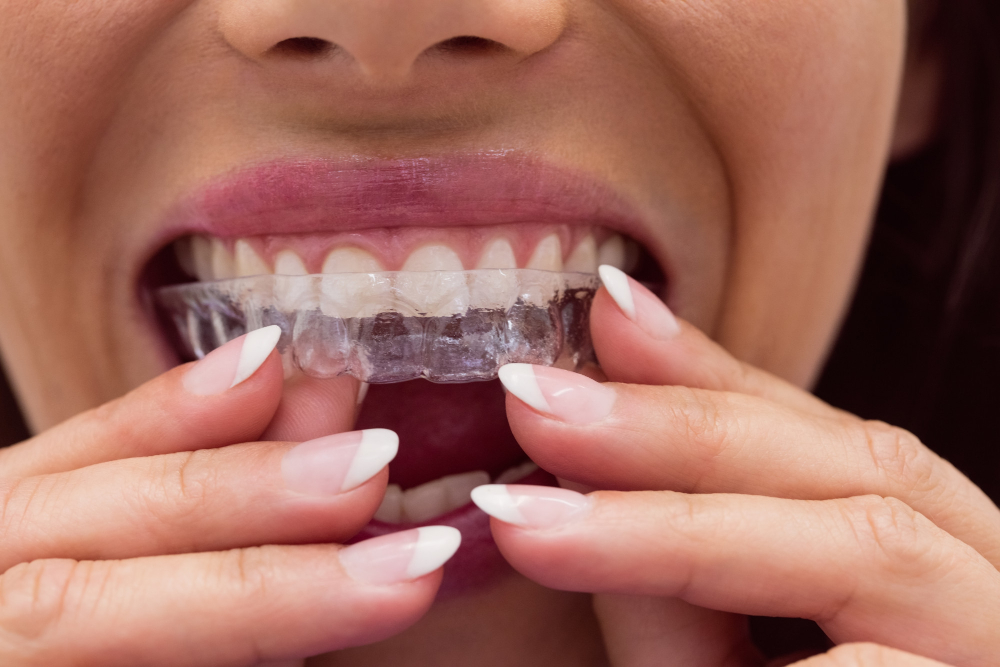
Extractions provide space for braces or clear aligners when overcrowding exists.
Protects Adjacent Teeth
Impacted wisdom teeth can damage neighboring teeth if left untreated.
Tooth Replacement Options
After extraction, replacing the missing tooth helps restore your smile and chewing ability.
Your dentist may recommend:
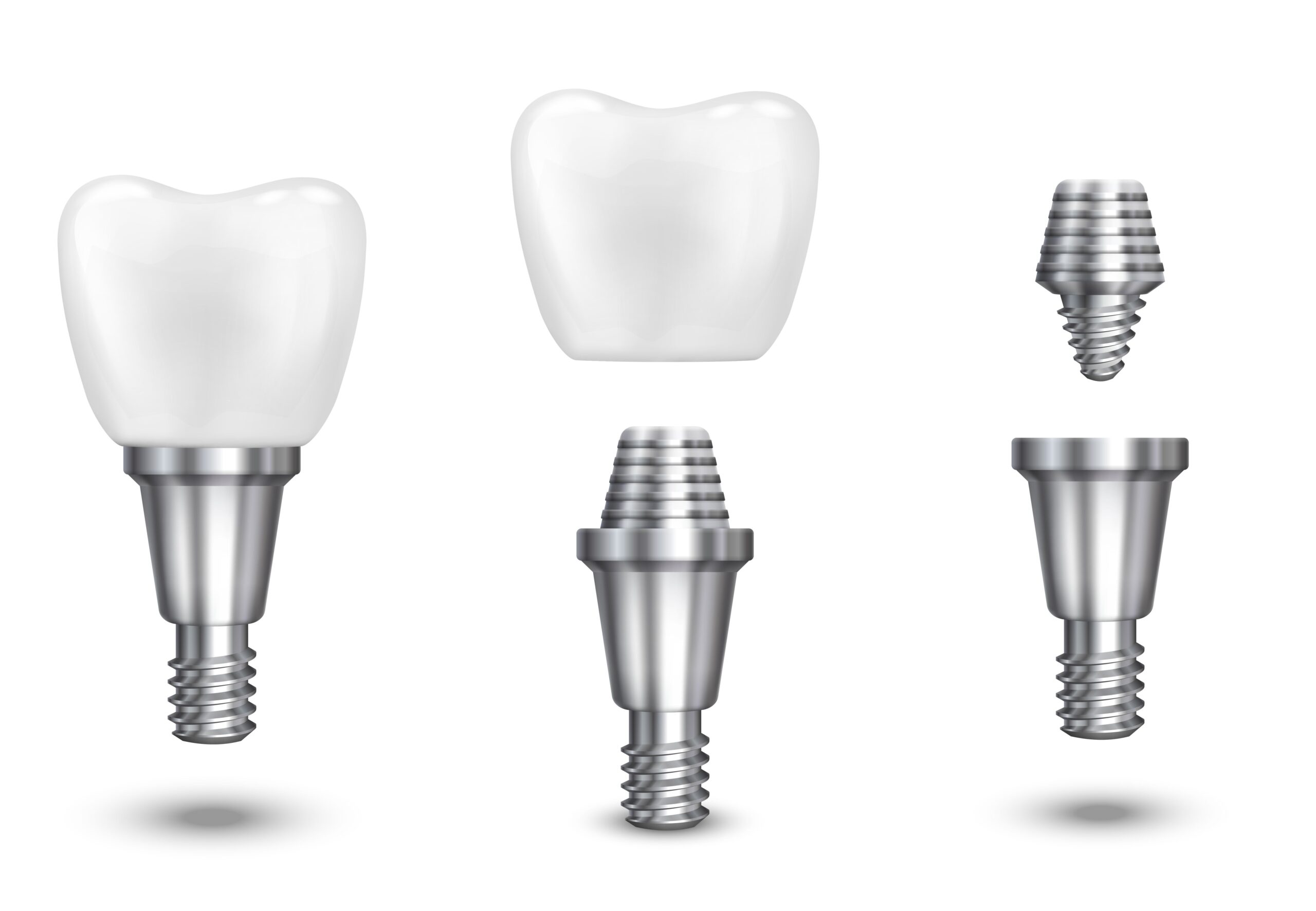
- Dental implants
- Dental bridges
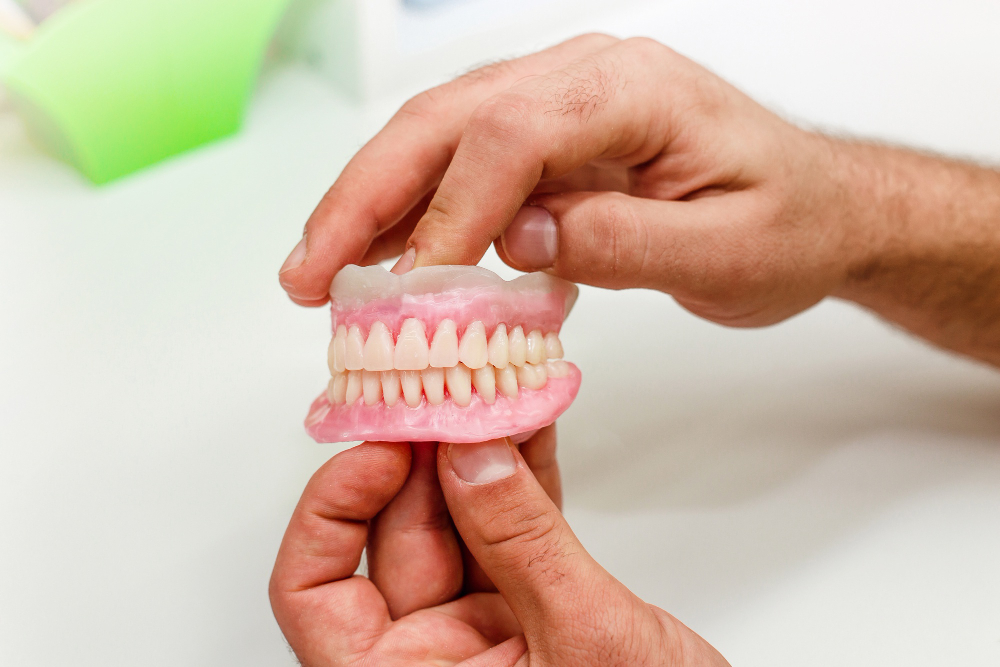
- Partial dentures
- Full dentures (if multiple teeth are missing)
Choosing the right replacement depends on your oral health, budget, and long-term goals.
Why Choose Professional Tooth Extraction in Holly Springs?
Selecting an experienced dental team ensures a comfortable and successful treatment experience.
Benefits include:
- Gentle, patient-focused care
- Modern diagnostic technology
- Advanced pain management
- Personalized treatment plans
- Comprehensive aftercare instructions
- Emergency dental services
- Safe surgical techniques
- Flexible scheduling
An experienced dentist prioritizes preserving your natural teeth whenever possible and recommends extraction only when it’s truly necessary.
Maintaining Oral Health After Extraction
Once healing is complete, maintaining excellent oral hygiene helps protect your remaining teeth.
Practice these healthy habits:
- Brush twice daily
- Floss every day
- Visit your dentist regularly
- Eat a balanced diet
- Limit sugary foods and drinks
- Wear a mouthguard during sports
- Avoid tobacco products
Routine dental checkups allow your dentist to detect small problems before they become serious.
Schedule Your Tooth Extraction in Holly Springs
If you’re experiencing severe tooth pain, swelling, infection, or damaged teeth, don’t delay treatment. Prompt dental care can prevent complications and restore your comfort. A professional tooth extraction performed by an experienced dentist ensures a safe procedure, faster healing, and improved long-term oral health. Whether you need a simple extraction or wisdom tooth removal, compassionate dental care in Holly Springs can help you regain a healthy, pain-free smile.
Get In Touch
Recent Posts








Frequently Asked Questions
No. Local anesthesia numbs the area, so most patients feel only pressure during the procedure and mild soreness afterward.
Most patients recover within 7–10 days, although complete healing of the bone may take several months.
Soft foods like yogurt, mashed potatoes, soup, scrambled eggs, and smoothies are recommended during the first few days.
Call your dentist if you experience severe pain, excessive bleeding, swelling that worsens after several days, or signs of infection.
Yes. Dental implants, bridges, and partial dentures are common options for restoring your smile after a tooth extraction.