Dental Implants in Holly Springs, NC: A Guide to Replacing Missing Teeth
Missing a tooth can affect more than the appearance of your smile. Depending on its location and your individual circumstances, tooth loss may also affect chewing, speech, and the way your remaining teeth function.
For patients considering tooth replacement, dental implants in Holly Springs, NC are one treatment option to discuss with a dental professional.
Anyday Smiles offers Implant Dentistry among its listed services, along with preventive dentistry, restorative dentistry, dentures, clear aligners, root canal therapy, gum health, pediatric dentistry, night guards, and smile makeovers.
This guide explains what dental implants are, how the treatment generally works, who may be a candidate, and what to discuss with your dentist before choosing an implant treatment plan.
What Are Dental Implants?
A dental implant is a tooth-replacement option designed to replace the root portion of a missing tooth.
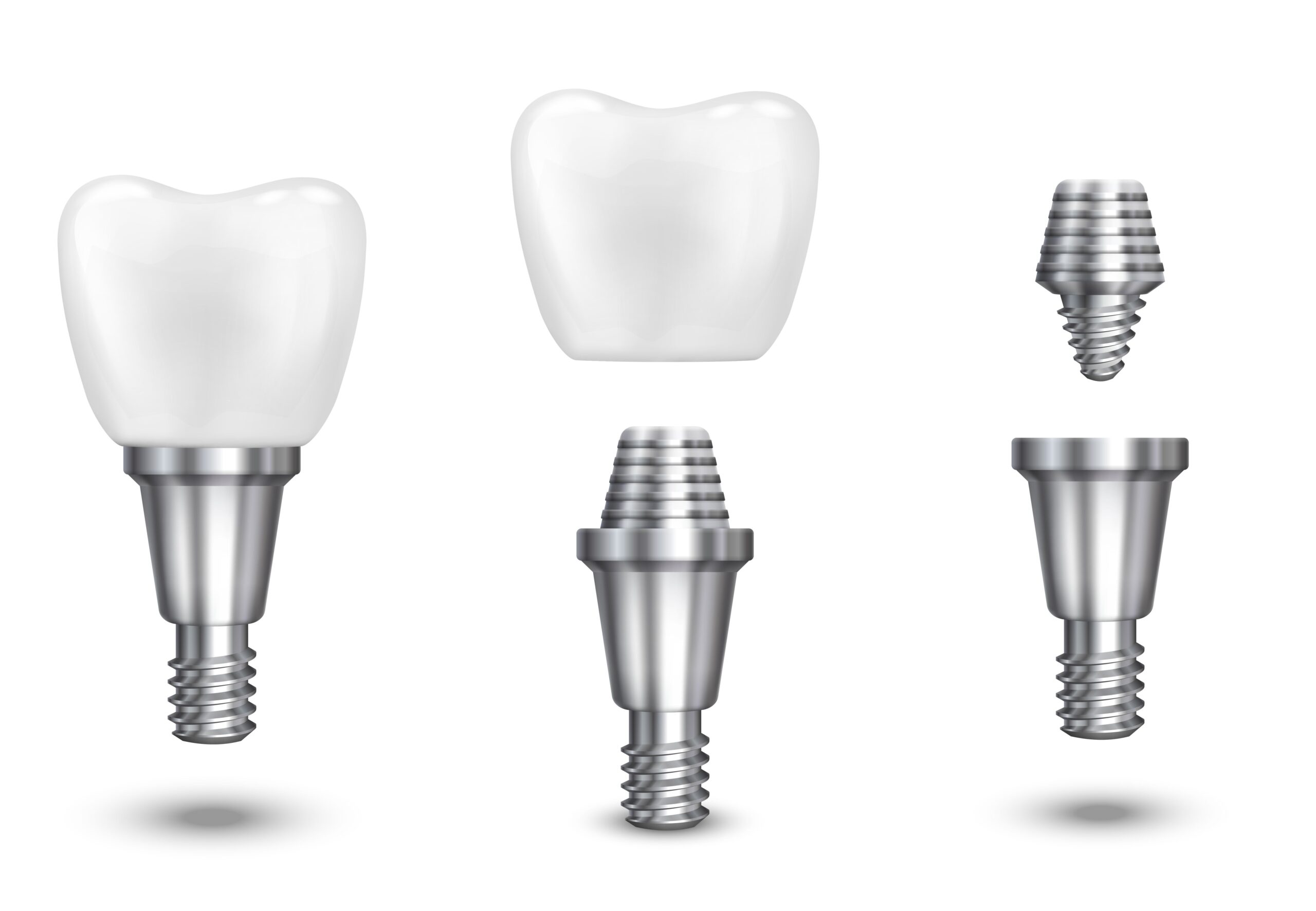
A typical implant restoration involves several components:
- A dental implant placed in the jawbone.
- An abutment that connects the implant to the restoration.
- A dental crown or other restoration that replaces the visible portion of the missing tooth.
Unlike removable dentures, an implant is designed to remain anchored in the jaw.
The exact treatment approach depends on the patient’s oral health, number of missing teeth, bone condition, and overall treatment plan.
Why Do People Choose Dental Implants?
People consider dental implants for different reasons.
Replacing a Missing Tooth
An implant can be used to replace a single missing tooth with an implant-supported restoration.
Replacing Multiple Missing Teeth
For patients missing several teeth, implant-supported treatment may be one option to discuss with a dentist.
Supporting a Dental Prosthesis
In certain situations, implants can be used to support dental prostheses.
The appropriate approach depends on your individual circumstances and the treatment options available at the dental practice.
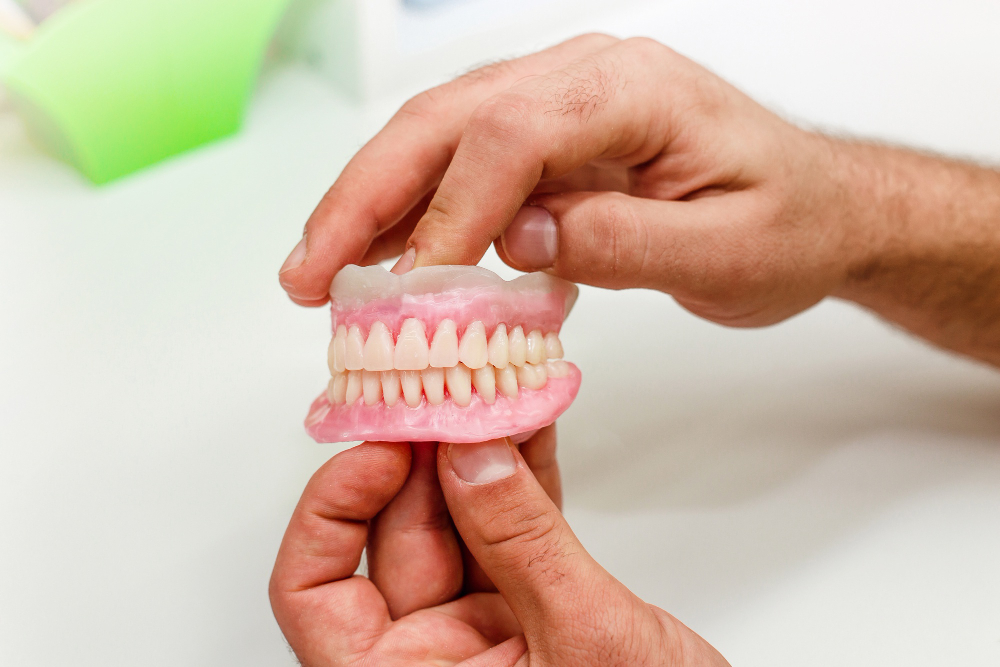
Dental Implants vs. Dentures
| Dental Implants | Dentures |
|---|---|
| Designed to anchor into the jaw | Removable dental appliance |
| Used for individual or multiple missing teeth depending on treatment | Can replace several or all missing teeth |
| Requires a surgical implant procedure | Does not involve implant placement |
| Treatment may take multiple stages | Treatment process differs based on denture type |
| Requires assessment of bone and oral health | Suitability depends on oral health and type of tooth loss |
Neither option is automatically right for every patient.
A dental consultation can help you compare the available choices based on your oral health and goals.
Who May Be a Candidate for Dental Implants?
Dental implant treatment requires an individual assessment.
A dentist may evaluate:
- The number and location of missing teeth.
- The condition of your gums.
- The amount and quality of available jawbone.
- Your overall oral health.
- Existing dental conditions.
- Your medical and dental history.
- Your ability to maintain good oral hygiene.
Having a missing tooth does not automatically mean that implants are the right treatment.
Your dentist may recommend additional treatment before implant placement if there are existing oral health concerns.
Why Is Bone Health Important for Dental Implants?
Dental implants are placed into the jawbone, so adequate bone support is an important consideration.
After tooth loss, the bone around the missing tooth can gradually change.
During an implant consultation, your dentist may evaluate the available bone and determine whether it can adequately support an implant.
If there isn’t enough bone for the planned treatment, additional procedures may sometimes be considered.
The need for additional treatment depends on the individual patient.
What Is the Dental Implant Process?
The dental implant process can involve several stages.
Step 1: Consultation and Examination
The first step is an evaluation of your oral health and missing tooth or teeth.
Your dentist may use dental imaging when appropriate to assess the teeth, gums, and jawbone.
The goal is to determine whether implant treatment may be appropriate.
Step 2: Treatment Planning
If you’re a suitable candidate, your dentist develops an individualized treatment plan.
The plan may address:
- Number of implants.
- Implant location.
- Type of restoration.
- Bone condition.
- Existing dental problems.
- Expected treatment stages.
Step 3: Implant Placement
The implant is surgically placed into the jawbone.
The area then requires time to heal and integrate with the surrounding bone.
Step 4: Healing and Integration
The healing period varies from patient to patient.
Your dental professional will determine when the implant is ready for the next stage of treatment.
Step 5: Restoration
After appropriate healing, a dental restoration can be attached to the implant.
For a single missing tooth, this may involve an implant-supported crown.
The final restoration is designed to restore the function and appearance of the missing tooth.
How Long Does Dental Implant Treatment Take?
There isn’t one timeline that applies to every patient.
Treatment duration can depend on:
- Number of implants.
- Need for tooth extraction.
- Bone condition.
- Need for additional procedures.
- Healing time.
- Type of final restoration.
- Individual oral health.
Some patients may complete treatment in a shorter period, while more complex cases can take longer.
Your dentist can provide a more specific timeline after examining your teeth and jaw.
Are Dental Implants Painful?
Dental implant placement is performed using local anesthesia or other appropriate anesthesia methods, depending on the procedure and patient.
Some soreness, swelling, or discomfort can occur after the procedure.
Your dental professional will provide instructions for managing recovery and caring for the treatment area.
If you experience unusual or severe symptoms during recovery, contact your dental provider.
Caring for Dental Implants
Dental implants still require regular oral hygiene and professional dental care.
Good implant care may include:
- Brushing regularly.
- Cleaning between your teeth.
- Following your dentist’s oral hygiene recommendations.
- Attending regular dental examinations.
- Having professional cleanings when recommended.
- Avoiding habits that could damage teeth or restorations.
Although an implant itself cannot develop a cavity like a natural tooth, the surrounding gums and tissues still require proper care.
What Happens If You Don't Replace a Missing Tooth?
The effects of an untreated missing tooth can vary.
Depending on the location and number of missing teeth, tooth loss may affect:
- Chewing.
- Speech.
- Bite function.
- Appearance.
- The position of neighboring teeth.
Not every missing tooth requires the same replacement approach.
A dental examination can help you understand what may happen if the tooth is not replaced and which options are available.
Affordable Dental Implants in Holly Springs, NC
If you’re searching for affordable dental implants in Holly Springs, it’s important to compare treatment plans rather than focusing only on the initial price.
The overall cost of implant treatment can depend on several factors, including:
- Number of implants.
- Type of restoration.
- Diagnostic imaging.
- Tooth extraction, if needed.
- Bone-related procedures, if needed.
- Materials used.
- Complexity of the case.
- Number of treatment visits.
Because every implant case is different, an exact price cannot be determined without an individual evaluation.
Before beginning treatment, ask your dental provider for a detailed treatment estimate and information about payment or financing options that may be available.
Are Dental Implants Covered by Insurance?
Dental insurance coverage for implants varies between plans.
Some plans may provide benefits for certain portions of implant-related treatment, while others may have limitations or exclusions.
If you have dental insurance, ask your insurance provider and dental office about:
- Implant coverage.
- Coverage for the restoration.
- Coverage for diagnostic procedures.
- Deductibles.
- Annual maximums.
- Waiting periods.
- Exclusions or limitations.
Don’t assume that a procedure is covered simply because you have dental insurance.
Dental Implants or a Root Canal?
These treatments address different dental situations.
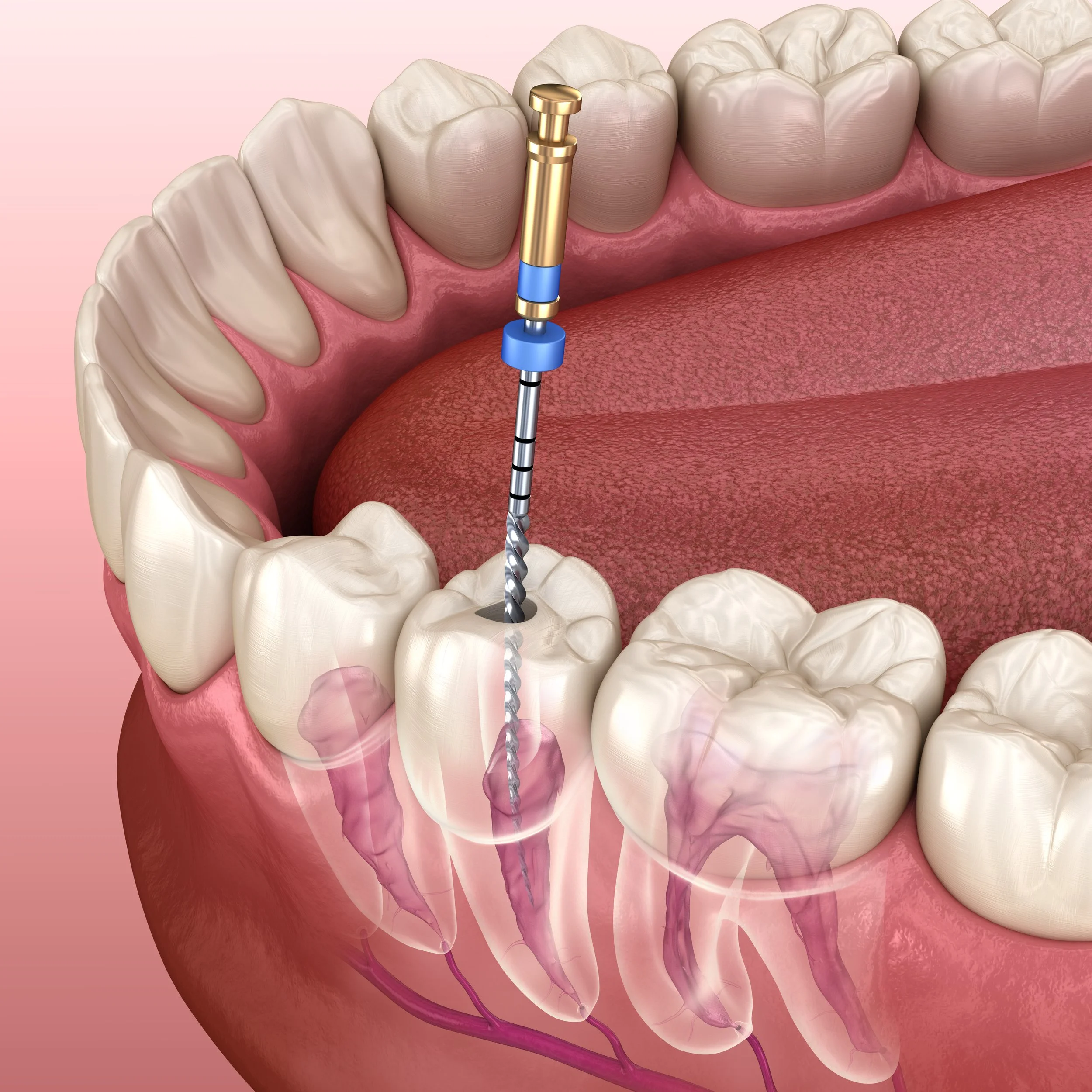
A root canal is generally used to treat a natural tooth when the tissue inside the tooth has become infected or inflamed and the tooth can potentially be preserved.
A dental implant replaces a missing tooth or a tooth that has been removed.
If a damaged tooth can be predictably restored, preserving the natural tooth may be considered.
If the tooth cannot be saved and needs to be removed, tooth replacement options such as an implant may be discussed.
Your dentist can explain the appropriate options after examining the tooth.
Dental Implants or Dentures: What Should You Choose?
There is no single tooth-replacement solution that works for everyone.
Dentures may be appropriate for some patients with multiple missing teeth, while implant-supported options may be considered for patients who meet the requirements for implant treatment.
Factors to discuss with your dentist include:
- Number of missing teeth.
- Bone health.
- Gum health.
- Overall oral health.
- Treatment timeline.
- Maintenance.
- Budget.
- Personal preferences.
A consultation allows you to compare the options based on your specific situation.
How Can You Prepare for a Dental Implant Consultation?
Before your consultation, consider making a list of:
- How many teeth you’re missing.
- When the tooth or teeth were lost.
- Any previous dental treatment.
- Current dental symptoms.
- Medications and relevant health information.
- Questions about treatment duration.
- Questions about cost and payment options.
You can also ask your dentist:
- Am I a candidate for dental implants?
- Do I need any treatment before implant placement?
- How many appointments will I need?
- What type of restoration is recommended?
- What is the estimated treatment timeline?
- What maintenance will I need?
- What payment or insurance options are available?
Why Consider Anyday Smiles for Implant Dentistry?
Anyday Smiles lists Implant Dentistry among its dental services in Holly Springs, NC.
The practice also offers:
- Preventive Dentistry
- Restorative Dentistry
- Dentures
- Clear Aligners
- Night Guard
- Root Canal Therapy
- Smile Makeover
- Gum Health
- Pediatric Dentistry
If you’re considering replacing a missing tooth and searching for dental implants in Holly Springs, NC, contact Anyday Smiles to learn about the consultation process and available implant dentistry services.
Frequently Asked Questions
How much do dental implants cost in Holly Springs, NC?
Dental implant costs vary depending on the complexity of treatment, number of implants, type of restoration, and whether additional procedures are required.
An individual consultation is necessary to determine your treatment needs and provide an appropriate estimate.
How long do dental implants take?
Treatment time varies. Some patients may require several stages of treatment and healing, while others may have a simpler treatment process.
Your dentist can provide a personalized timeline after evaluation.
Are dental implants permanent?
Dental implants are designed as a long-term tooth replacement option, but their longevity can vary based on oral hygiene, overall health, implant condition, restoration, and other factors.
Regular dental care is important for maintaining implant health.
Can I get dental implants if I have gum disease?
Active gum disease may need to be treated before implant placement. Your dentist can evaluate your gum health and determine whether additional treatment is necessary.
Can dental implants replace multiple teeth?
Depending on the patient’s needs and treatment plan, implants can be used in different ways to replace multiple missing teeth.
Your dentist can explain which implant-supported options may be appropriate.
Are dental implants better than dentures?
Implants and dentures are different treatment options. The appropriate choice depends on your oral health, tooth loss, bone condition, goals, budget, and other factors.
A dental consultation can help you compare the options.
Schedule a Dental Implant Consultation
Missing teeth can affect your everyday life, but there are several options available for replacing them.
Dental implants are one option that may provide a stable tooth-replacement solution for appropriate candidates.
If you’re considering dental implants in Holly Springs, NC, Anyday Smiles can help you learn more about implant dentistry and the treatment options available.
Contact Anyday Smiles to discuss your missing teeth, schedule a consultation, and learn what treatment options may be appropriate for your smile.
This article provides general dental information and is not a substitute for an examination or individualized advice from a qualified dental professional.