Emergency Dentist in Holly Springs, NC: What to Do When You Have a Dental Emergency
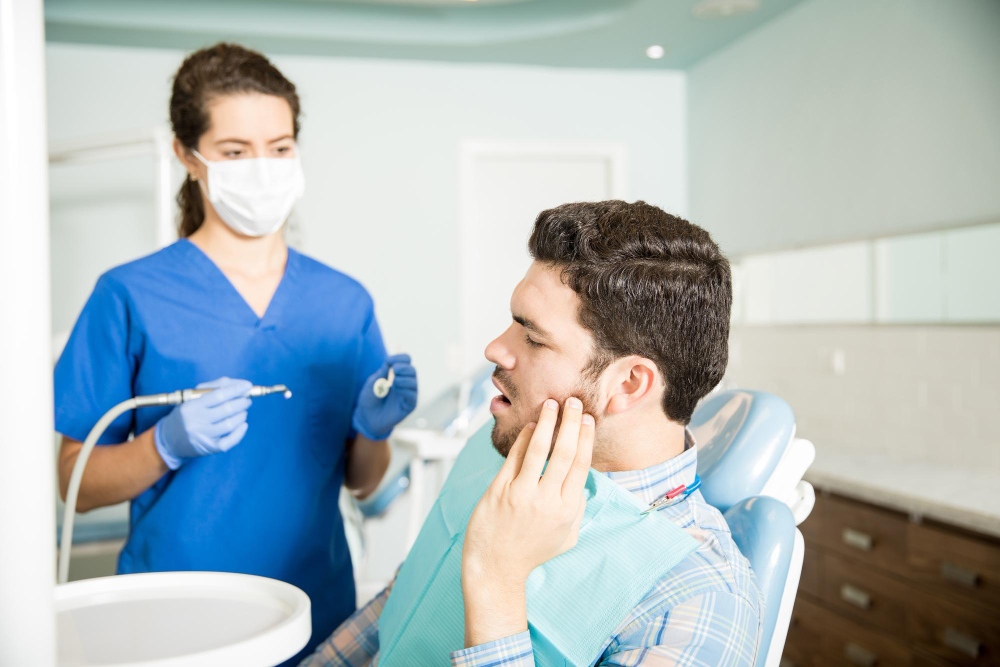
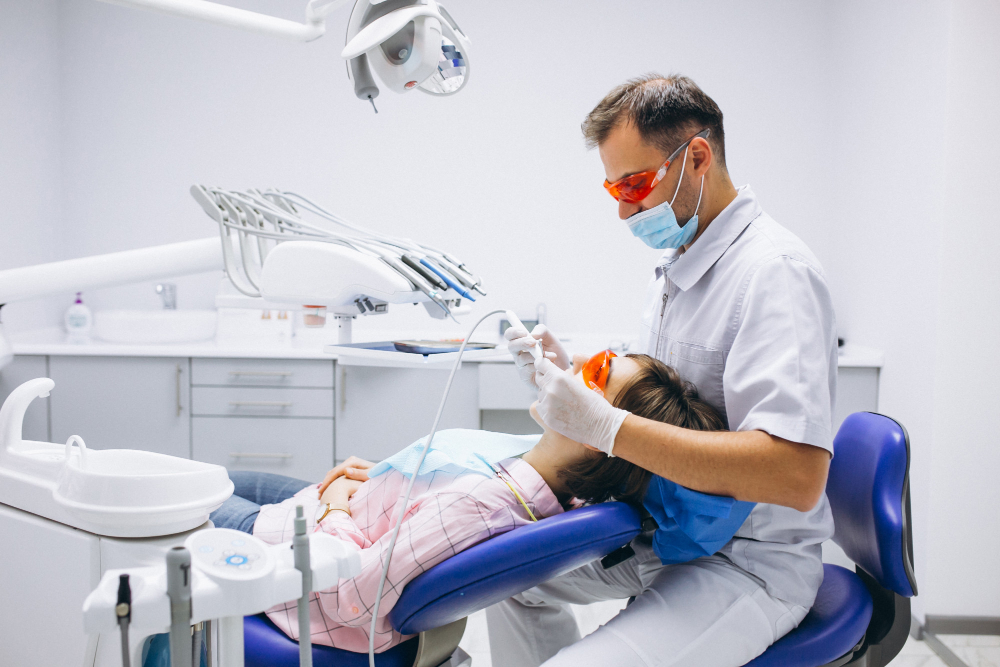
Dental problems don’t always happen when it’s convenient. A sudden toothache, chipped tooth, dental injury, or swelling can make it difficult to know what to do next.
If you’re searching for an emergency dentist in Holly Springs, NC, getting the right information quickly can help you determine your next step.
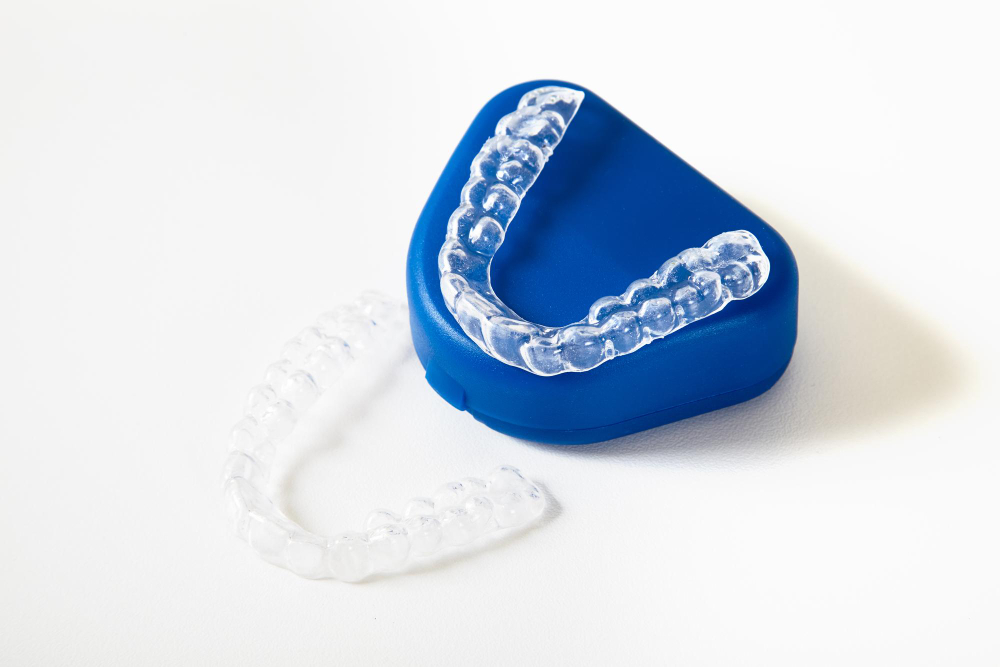
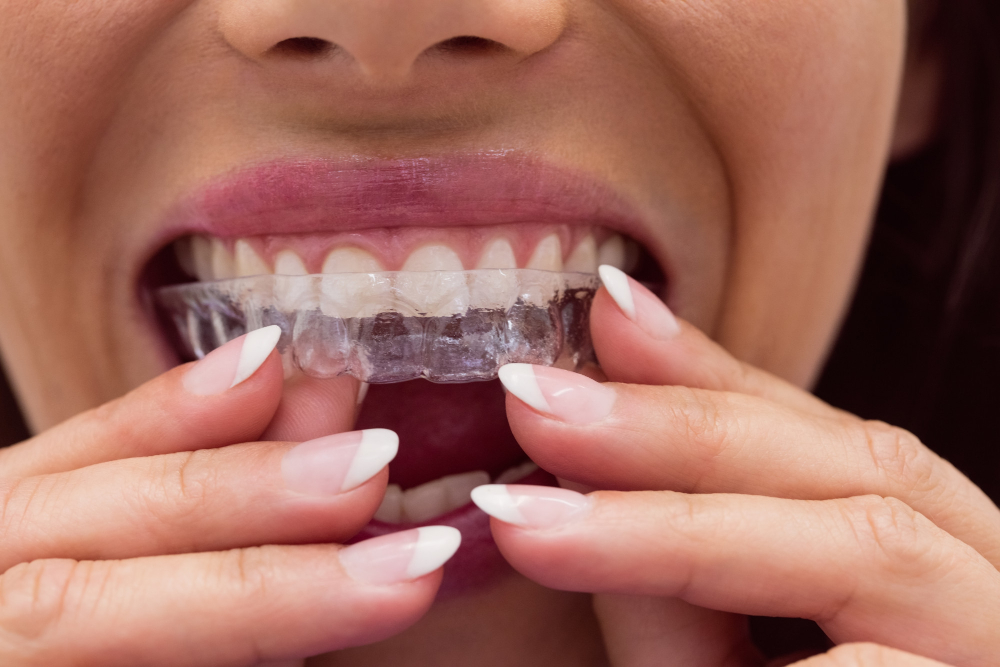
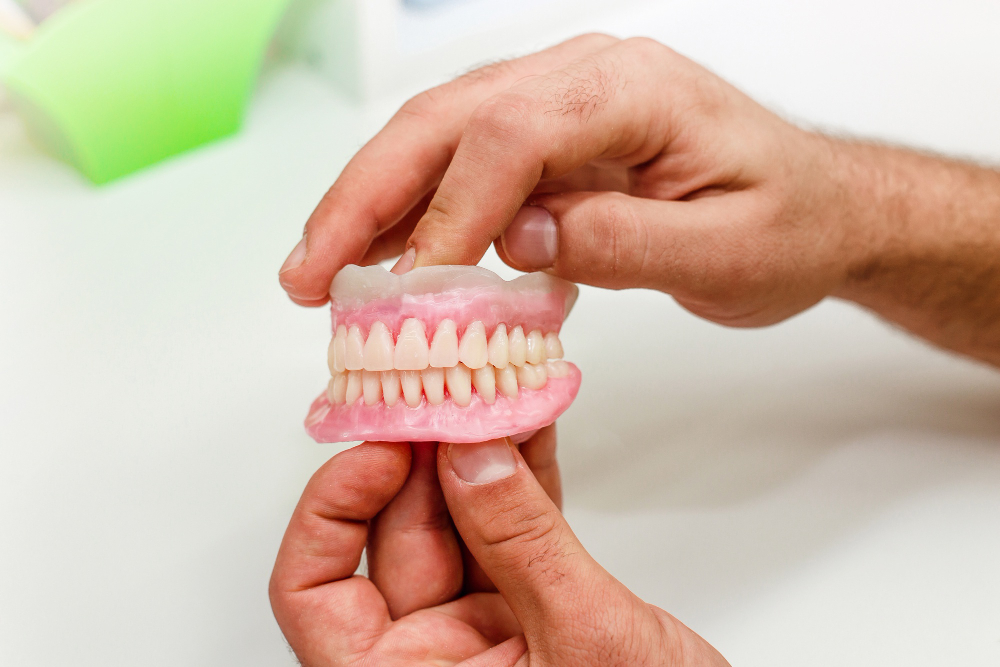
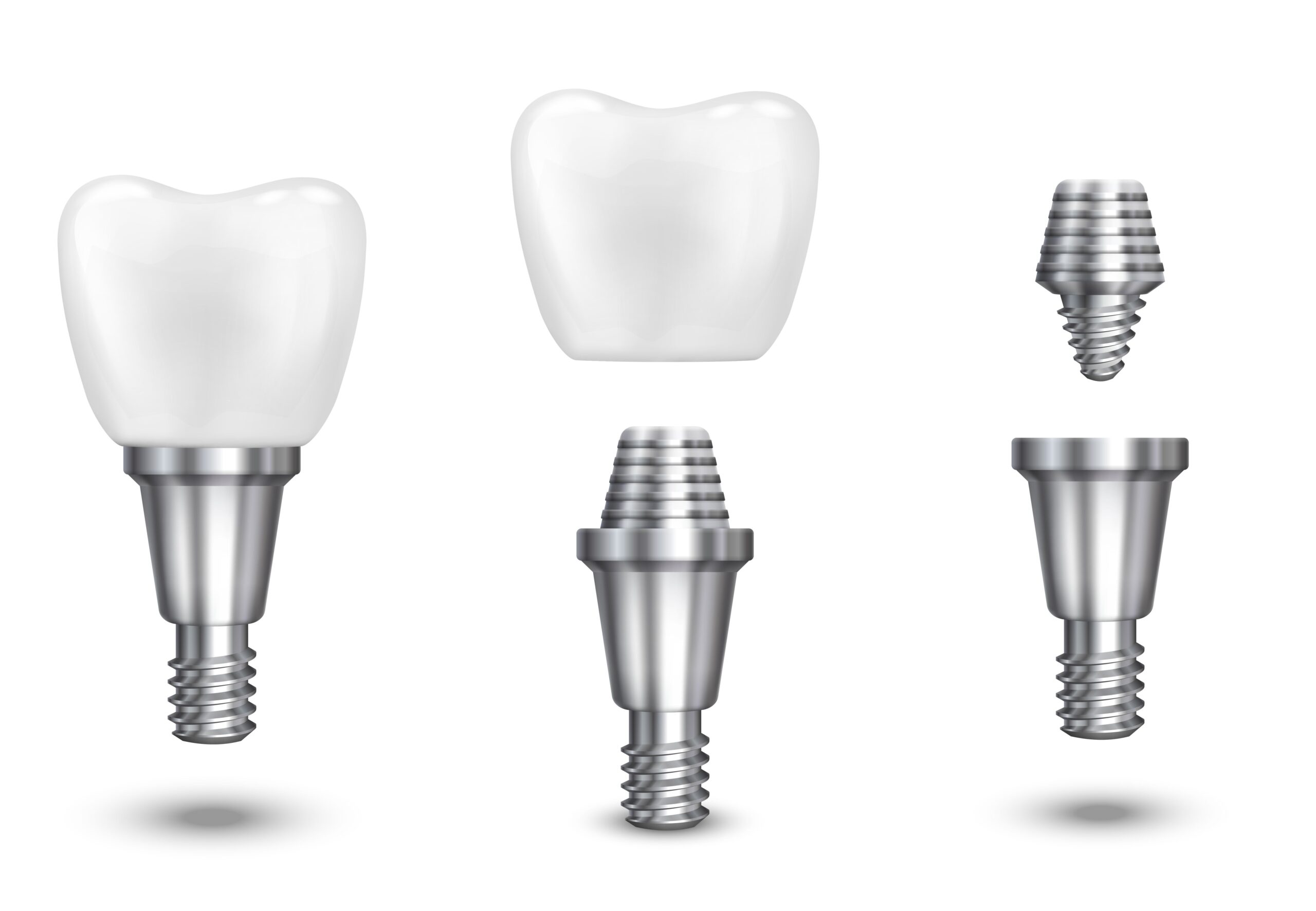
At Anyday Smiles, patients can explore a range of dental services, including preventive dentistry, restorative dentistry, root canal therapy, implant dentistry, dentures, gum health, clear aligners, pediatric dentistry, night guards, and smile makeovers.
This guide explains some common dental situations that may require prompt attention and what you can do while arranging professional dental care.
What Is a Dental Emergency?
A dental emergency is a situation involving significant pain, injury, infection, bleeding, or another urgent dental concern that requires prompt professional evaluation.
Some dental problems can wait for a routine appointment, while others should be assessed as soon as possible.
Examples of potentially urgent dental problems include:
- Severe or persistent tooth pain
- A broken or significantly chipped tooth
- A knocked-out permanent tooth
- Dental injuries
- Significant swelling around the mouth or face
- Signs of a dental infection
- Persistent bleeding after a dental injury or procedure
- A loose or damaged dental restoration
- Severe sensitivity accompanied by pain
The appropriate response depends on the situation. A dental professional can help determine how urgently you need to be seen.
Common Reasons People Search for an Emergency Dentist in Holly Springs
Severe Tooth Pain
Tooth pain can have several possible causes, including tooth decay, infection, damage, gum problems, or other dental conditions.
If pain is severe, persistent, or getting worse, don’t ignore it.
Searching for a tooth pain dentist in Holly Springs may be a sign that you need a prompt dental evaluation.
Pain medication may temporarily reduce discomfort, but it does not address the underlying cause of dental pain.
Broken or Chipped Tooth
A tooth can break or chip because of an accident, biting something hard, tooth decay, or other factors.
If you have a broken tooth, contact a dentist for an evaluation.
Depending on the extent of the damage, treatment may involve restorative dentistry or another procedure.
If you’re searching for a broken tooth dentist near me, a dental examination can help determine how serious the damage is and what treatment may be appropriate.
Knocked-Out Tooth
A knocked-out permanent tooth requires prompt attention.
If a permanent tooth has been completely knocked out, handle it carefully by the crown rather than the root. If possible, keep the tooth moist and seek urgent dental care.
Do not attempt to force the tooth back into its socket if doing so would be unsafe or you’re unsure how to proceed.
Because timing can matter with dental injuries, contact a dental professional as soon as possible.
For a child who has lost a baby tooth because of an injury, the recommended approach can be different, so professional advice is important.
Dental Swelling and Possible Infection
Swelling around a tooth, gums, jaw, or face can sometimes be associated with a dental infection.
Other symptoms may include:
- Tooth pain
- Gum tenderness
- Sensitivity
- A bad taste in the mouth
- Fever
- Swelling
- Difficulty opening the mouth
These symptoms should not be ignored.
A dental professional can evaluate the cause and determine appropriate treatment.
When Is Facial Swelling an Emergency?
Significant or rapidly increasing facial swelling can be serious.
If swelling is accompanied by difficulty breathing or swallowing, seek immediate emergency medical care rather than waiting for a routine dental appointment.
If you are unsure how serious your symptoms are, seek professional medical or dental advice promptly.
What Should You Do If You Have a Dental Emergency?
If you experience a dental emergency, try to stay calm and take practical steps while arranging professional care.
1. Contact a Dentist
Call your dental office and explain what happened.
Tell them:
- What happened
- When the problem started
- Where you have pain
- Whether there is swelling or bleeding
- Whether a tooth has been broken or knocked out
This information can help the dental team understand the situation.
2. Protect the Affected Area
Avoid chewing on the affected side of your mouth.
If a tooth is broken, avoid extremely hot or cold foods and drinks if they make the area uncomfortable.
3. Rinse Your Mouth Gently
For certain dental injuries, gently rinsing your mouth with water can help remove debris.
Avoid aggressive rinsing if you have significant bleeding or a severe injury.
4. Use a Cold Compress for Swelling
A cold compress applied externally to the cheek may help reduce swelling and discomfort temporarily.
Do not place ice directly against your skin.
5. Don’t Attempt DIY Dental Treatment
Avoid trying to glue broken teeth, remove objects with sharp tools, or perform dental procedures yourself.
Dental problems require professional assessment.
What Should You Do for a Broken Tooth?
If you’ve broken or chipped a tooth:
- Find and save any tooth fragments if possible.
- Rinse your mouth gently with water.
- Avoid chewing on the affected side.
- Contact a dentist promptly.
- Take the broken fragment with you if you’re able to do so.
The appropriate treatment depends on the amount and location of tooth damage.
Possible restorative approaches may vary from repairing the tooth to other treatment options.
What About Emergency Tooth Extraction?
Not every dental emergency requires an extraction.
If you’re searching for emergency tooth extraction in Holly Springs, it’s important to understand that tooth removal is generally considered only when a tooth cannot be predictably saved or when removal is otherwise clinically appropriate.
A dentist should examine the tooth before determining whether extraction is necessary.
Depending on the condition of the tooth, possible alternatives may include restorative treatment or root canal therapy.
Root Canal vs. Extraction
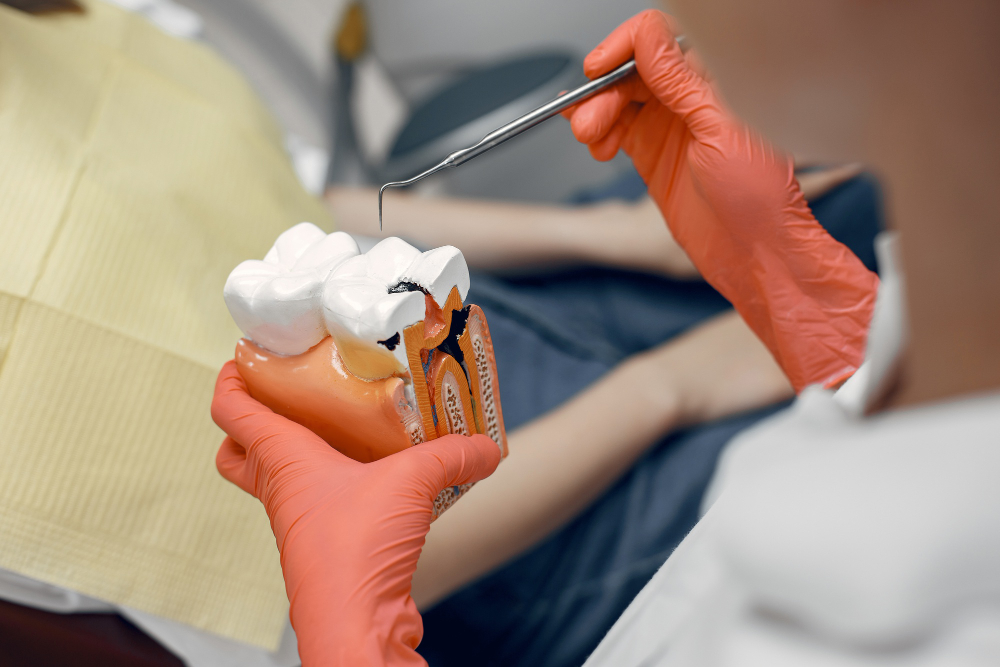
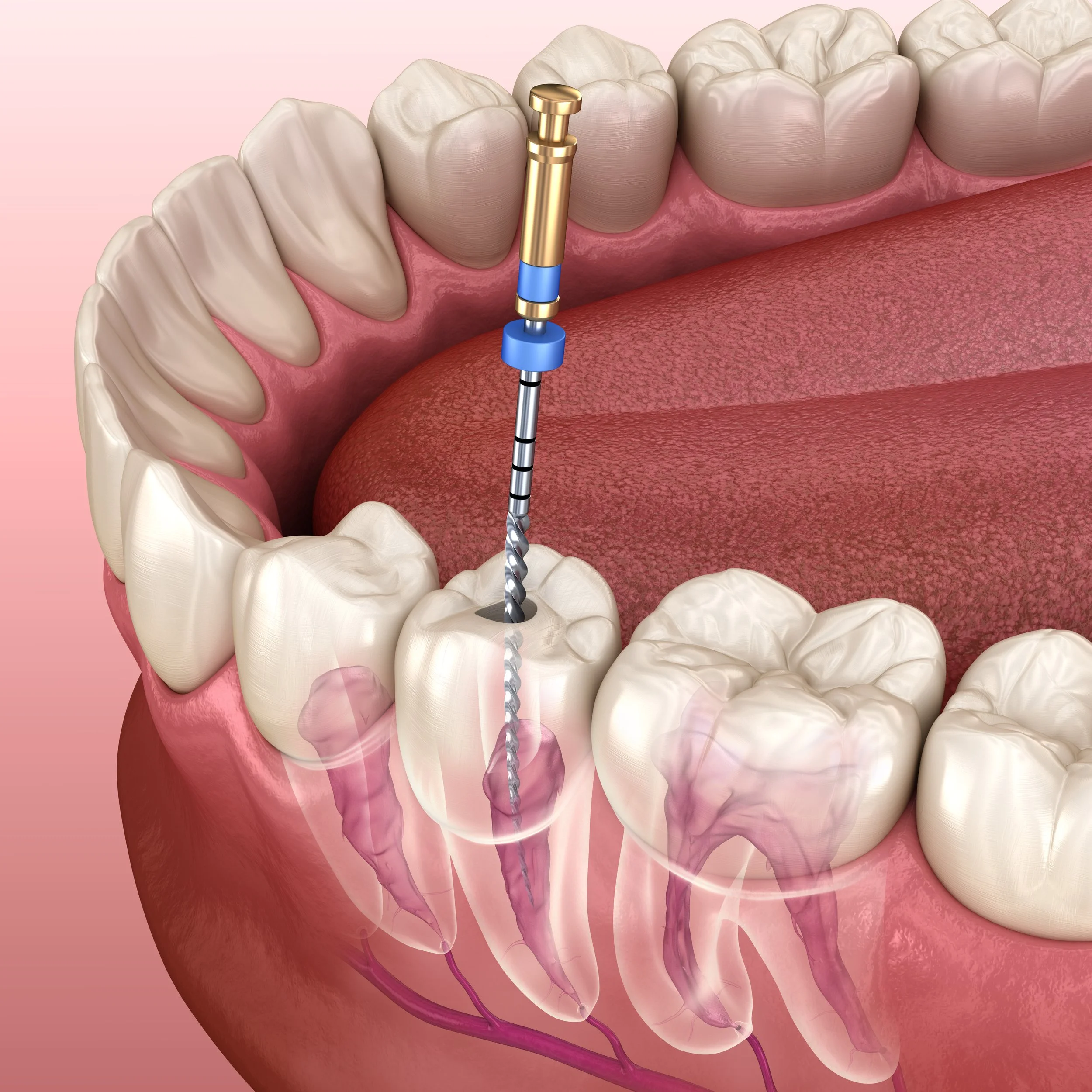
A severely damaged or infected tooth may sometimes be treated with root canal therapy rather than removed.
Root canal therapy is designed to treat problems affecting the inside of a tooth while allowing the natural tooth to remain in place.
Extraction removes the tooth.
The appropriate choice depends on factors such as:
- The condition of the tooth
- The extent of damage
- Infection
- Supporting bone and gum health
- Overall oral health
- The long-term treatment plan
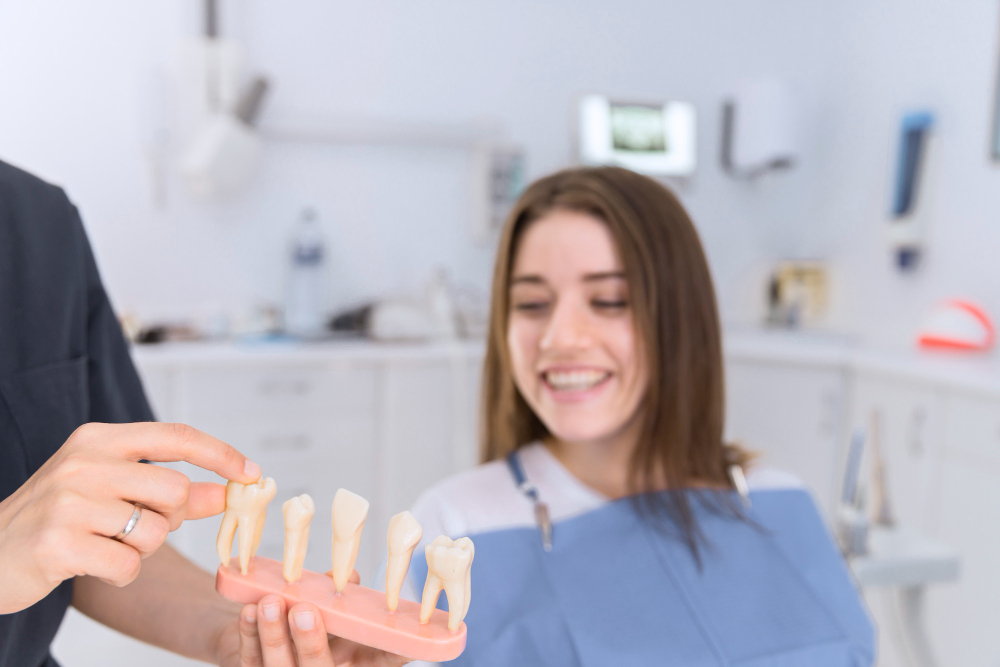
A dentist can explain the available options after examining your tooth.
Tooth Pain: When Should You See a Dentist?
Not every toothache requires an emergency-room visit, but persistent tooth pain should not be ignored.
Consider contacting a dentist if you experience:
- Pain that persists
- Pain that keeps returning
- Pain when biting
- Sensitivity that doesn’t go away
- Swelling around a tooth
- Gum tenderness
- A damaged tooth
- Pain accompanied by fever
The sooner the underlying problem is identified, the sooner appropriate treatment can be considered.
Dental Emergencies in Children
Children can also experience dental emergencies.
Common examples include:
- A knocked-out or damaged tooth
- A broken tooth
- Tooth pain
- Dental injuries from sports or accidents
- Swelling or signs of infection
If your child experiences a dental injury, contact a dental professional for guidance.
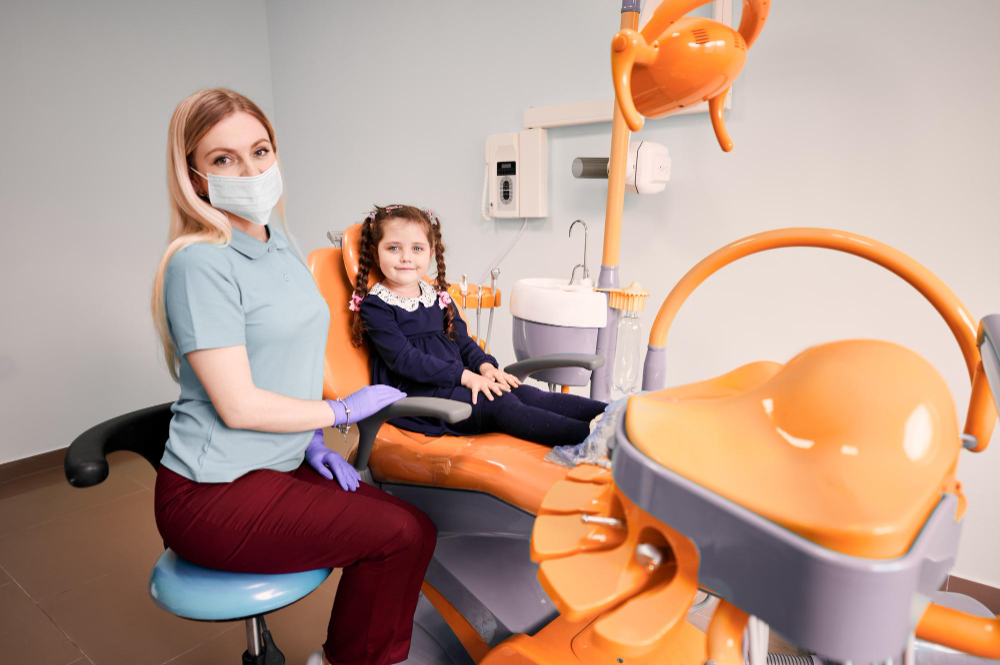
Anyday Smiles lists Pediatric Dentistry among its services. Contact the clinic to confirm the emergency dental care and appointment options available for children.
How Can You Prevent Dental Emergencies?
Not every dental emergency can be prevented, but good oral health habits can reduce some risks.
Maintain Regular Dental Visits
Regular dental examinations can help identify problems before they become more complicated.
Practice Good Oral Hygiene
Brush your teeth regularly with fluoride toothpaste and clean between your teeth as recommended by your dentist.
Wear a Mouthguard During Sports
A properly fitted mouthguard can help protect your teeth during certain sports and physical activities.
Don’t Use Your Teeth as Tools
Avoid using your teeth to open packages, cut objects, or bite hard non-food items.
Address Dental Problems Early
A small cavity, cracked tooth, or dental sensitivity can sometimes become more complicated when left untreated.
If you notice a change in your teeth or gums, contact your dentist rather than waiting for the problem to become painful.
What to Expect When You Visit a Dentist for an Urgent Problem
Your dental visit may begin with an examination and discussion of your symptoms.
Depending on the situation, your dentist may:
- Examine the affected tooth or area.
- Ask when your symptoms started.
- Review your dental history.
- Take dental X-rays when appropriate.
- Identify possible causes.
- Discuss treatment options.
- Explain what can be done immediately and what may require follow-up care.
The exact process depends on the type and severity of the dental problem.
When Should You Go to the Emergency Room?
Some situations require emergency medical care rather than waiting for a dental appointment.
Seek immediate medical attention if you experience symptoms such as:
- Difficulty breathing
- Difficulty swallowing
- Rapidly increasing facial or neck swelling
- Severe trauma involving the face or jaw
- Uncontrolled bleeding
- Loss of consciousness or other serious injury
A hospital emergency department can provide urgent medical stabilization when necessary. Dental follow-up may still be needed afterward.
Emergency Dental Care in Holly Springs, NC
If you’re looking for an emergency dentist in Holly Springs, NC, Anyday Smiles can be contacted to learn about available dental services and appointment options.
Anyday Smiles’ listed dental services include:
- Preventive Dentistry
- Restorative Dentistry
- Dentures
- Clear Aligners
- Implant Dentistry
- Night Guard
- Root Canal Therapy
- Smile Makeover
- Gum Health
- Pediatric Dentistry
Before publishing this article, confirm whether Anyday Smiles specifically provides emergency appointments, same-day appointments, after-hours care, or emergency tooth extractions.
Frequently Asked Questions
Is tooth pain considered a dental emergency?
Severe, persistent, or worsening tooth pain should be evaluated promptly. The cause of the pain determines how urgently it needs to be treated.
Can a broken tooth be repaired?
Some broken or chipped teeth can be repaired or restored. The appropriate treatment depends on the location and extent of the damage.
Do all dental emergencies require tooth extraction?
No. Extraction is not automatically required for a dental emergency. Depending on the condition of the tooth, restorative treatment or root canal therapy may be possible.
What should I do if my tooth gets knocked out?
Handle the tooth carefully by the crown, keep it moist if possible, and seek urgent dental care. Don’t delay contacting a dental professional.
Can I go to the emergency room for a dental emergency?
For serious symptoms such as difficulty breathing or swallowing, significant facial swelling, uncontrolled bleeding, or major facial trauma, seek immediate emergency medical care. For dental problems without these serious medical symptoms, a dentist is generally the appropriate professional to contact.
Does Anyday Smiles accept emergency dental patients?
Anyday Smiles’ available services and appointment policies should be confirmed directly with the clinic. Contact the practice to ask about urgent or emergency dental appointments.
Contact Anyday Smiles in Holly Springs
Dental emergencies can be stressful, especially when you’re unsure about what to do.
If you experience sudden tooth pain, a broken tooth, swelling, or another urgent dental concern, contacting a dental professional promptly can help you understand your treatment options.
Anyday Smiles provides a range of dental services in Holly Springs, NC. Contact the practice to learn about available appointments and dental care options.
This article provides general dental information and is not a substitute for an examination or individualized advice from a qualified dental professional.