Night Guard in Holly Springs, NC: Protect Your Teeth from Grinding and Clenching
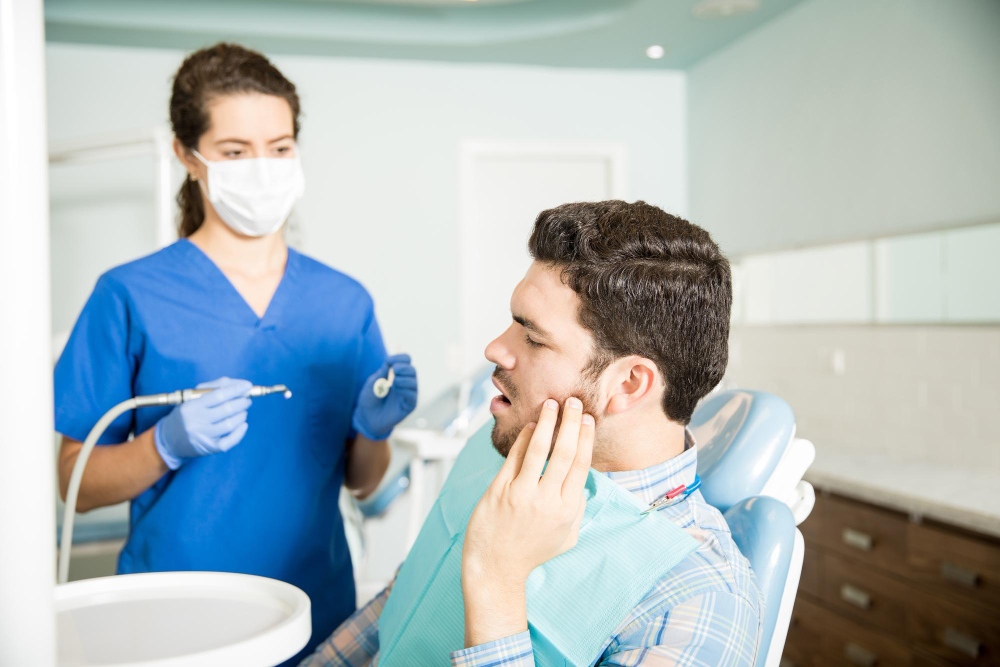
Do you wake up with a sore jaw, sensitive teeth, headaches, or unexplained tooth wear? You may be experiencing teeth grinding or jaw clenching, also known as bruxism.
A dental night guard may help protect your teeth from the effects of grinding and clenching while you sleep. If you are looking for information about a night guard in Holly Springs, NC, understanding the causes, symptoms, benefits, and treatment options can help you decide when to talk with a dentist.
At Anyday Smiles, night guard care can be considered as part of a personalized approach to protecting your teeth and supporting your overall oral health.
What Is a Dental Night Guard?
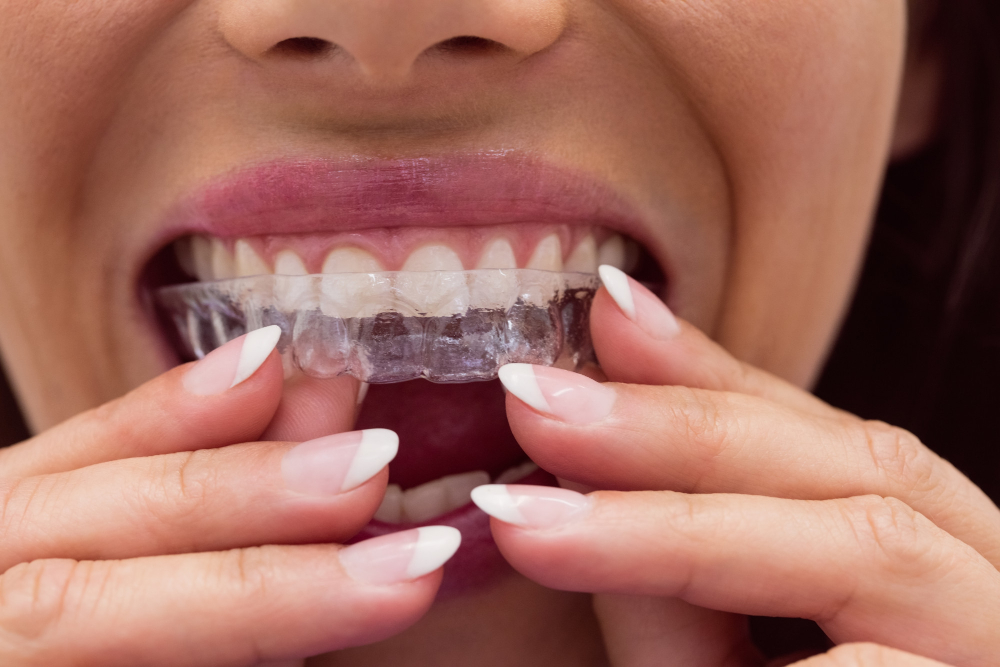
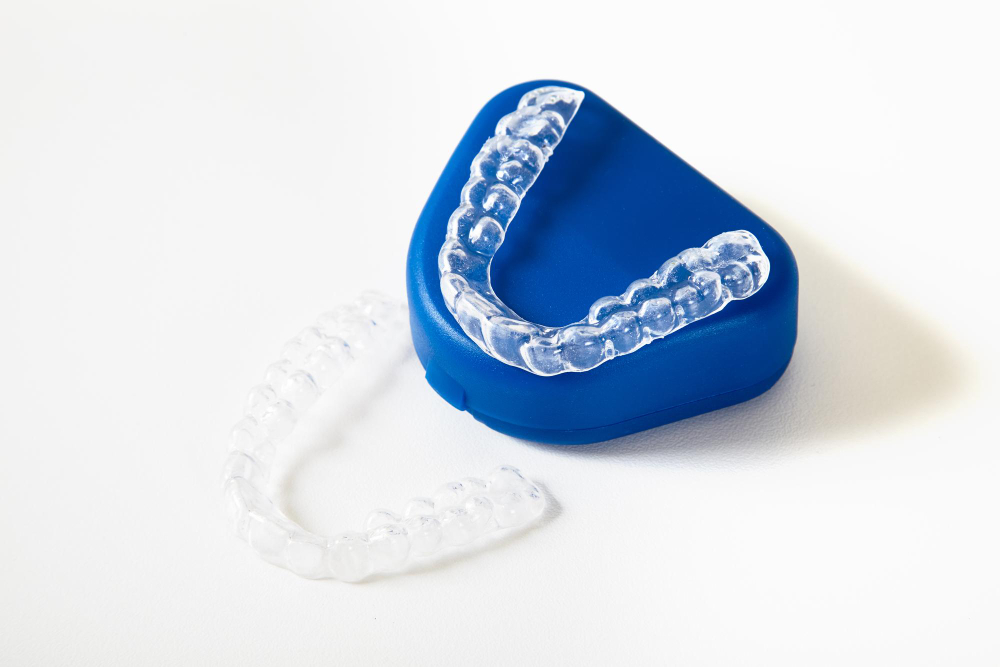
A dental night guard is an oral appliance designed to create a protective barrier between the upper and lower teeth.
People who grind or clench their teeth during sleep may repeatedly place excessive pressure on their teeth and jaw muscles. Over time, this can contribute to tooth wear, sensitivity, jaw discomfort, and other dental concerns.
A night guard does not necessarily stop the underlying cause of grinding, but it can help protect the teeth from direct contact and reduce some of the effects associated with nighttime grinding.
What Is Teeth Grinding?
Teeth grinding, or bruxism, occurs when a person grinds or clenches their teeth.
It can happen:
- During sleep
- While awake
- During periods of stress
- Without the person realizing it
Sleep-related grinding can be particularly difficult to identify because you may not know that you are doing it.
A dental examination can help identify signs that may be associated with bruxism.
Signs You May Need a Night Guard
Some people with nighttime grinding do not experience obvious symptoms. However, certain signs may indicate that you should discuss the issue with your dentist.
These can include:
- Worn-down teeth
- Chipped or cracked teeth
- Increased tooth sensitivity
- Jaw soreness
- Facial muscle discomfort
- Morning headaches
- Tenderness around the jaw
- Tooth pain without an obvious cause
- Flattened or damaged tooth surfaces
- Increased dental restoration damage
If you regularly wake up with jaw discomfort or notice changes in your teeth, a dental evaluation can help determine what may be causing the problem.
Why Does Teeth Grinding Happen?
There is not always one single cause of teeth grinding.
Possible contributing factors can include:
- Stress
- Anxiety
- Sleep-related factors
- Certain medications
- Lifestyle factors
- Jaw or bite-related factors
- Other underlying conditions
The cause can vary from person to person.
Because of this, simply purchasing an over-the-counter mouthguard may not address every concern associated with grinding or clenching.
How Can a Night Guard Protect Your Teeth?
When you grind your teeth, the upper and lower teeth repeatedly come into contact with one another.
A properly designed night guard can provide a layer between the teeth and may help reduce direct tooth-to-tooth contact.
This can help protect against some effects of grinding, including:
- Excessive tooth wear
- Certain types of tooth damage
- Pressure on dental restorations
- Tooth sensitivity associated with wear
A night guard should be properly evaluated and fitted for your individual needs.
Custom Night Guard vs. Store-Bought Mouthguard
There are several types of mouthguards available, including products that can be purchased without visiting a dentist.
However, dental professionals can evaluate your teeth, bite, and symptoms before recommending an appropriate appliance.
A custom dental night guard may provide a more individualized fit than a generic mouthguard.
Your dentist can help determine which type of appliance is appropriate based on your specific situation.
Can a Night Guard Help With Jaw Pain?
A night guard may be recommended for some patients whose jaw discomfort is associated with grinding or clenching.
However, jaw pain can have several possible causes.
For this reason, persistent or significant jaw pain should be evaluated rather than automatically assuming that teeth grinding is responsible.
Your dentist can assess your symptoms and determine whether a night guard or another approach may be appropriate.
Night Guards and Tooth Sensitivity
Teeth grinding can contribute to enamel wear and may expose more sensitive parts of a tooth.
If you notice increased sensitivity to:
- Hot foods or drinks
- Cold foods or drinks
- Sweet foods
- Pressure or biting
it is important to identify the underlying cause.
A night guard may help protect teeth from further damage related to grinding, but sensitivity can also result from cavities, gum recession, cracked teeth, or other dental problems.
Who May Benefit From a Night Guard?
A night guard may be considered for people who:
- Grind their teeth during sleep
- Frequently clench their jaw
- Have signs of excessive tooth wear
- Experience certain types of morning jaw discomfort
- Have dental restorations that may be affected by grinding
- Have been advised by a dentist to use an oral appliance
Not everyone needs a night guard. A dental evaluation can help determine whether one is appropriate.
What Happens During a Night Guard Consultation?
A night guard consultation may begin with an examination of your teeth and oral health.
Your dentist may look for:
- Signs of tooth wear
- Cracks or chips
- Existing dental restorations
- Tooth sensitivity
- Jaw discomfort
- Bite-related concerns
- Other signs associated with grinding or clenching
If a night guard is recommended, your dentist can explain the type of appliance that may be suitable and how to use and care for it.
How to Care for Your Night Guard
Proper care can help keep your appliance clean and usable.
General care may include:
- Rinsing the night guard after use
- Cleaning it according to your dentist’s instructions
- Allowing it to dry before storage
- Keeping it in its protective case
- Avoiding excessive heat
- Checking it regularly for damage or wear
Your dentist can provide specific cleaning and storage instructions for your appliance.
How Long Does a Night Guard Last?
The lifespan of a night guard varies.
Someone who grinds heavily may wear through an appliance more quickly than someone with mild grinding.
Over time, a night guard may develop:
- Visible wear
- Cracks
- Changes in shape
- Damage from repeated grinding
If your appliance becomes damaged or no longer fits properly, have it evaluated by your dentist.
Can Children Use Night Guards?
Children can also experience teeth grinding, particularly during sleep.
However, a child’s dental needs are different from those of an adult.
If you notice that your child frequently grinds their teeth, talk with a dental professional before purchasing or using a night guard. The dentist can evaluate the child’s teeth, development, and individual circumstances.
Night Guard in Holly Springs, NC
If you are experiencing nighttime teeth grinding, jaw clenching, tooth wear, or related symptoms, a dental evaluation can help identify what may be happening.
At Anyday Smiles in Holly Springs, NC, patients can discuss their symptoms and dental concerns to determine whether a night guard may be appropriate for their situation.
Protecting your teeth early may help reduce the effects of ongoing grinding and support better long-term oral health.
Frequently Asked Questions
What is a night guard used for?
A night guard is an oral appliance designed to protect the teeth from direct contact associated with grinding or clenching.
Do night guards stop teeth grinding?
A night guard primarily protects the teeth rather than necessarily stopping the underlying grinding behavior.
How do I know if I grind my teeth at night?
Possible signs include worn teeth, jaw soreness, morning headaches, tooth sensitivity, and damaged dental restorations. Some people may have no obvious symptoms.
Is a custom night guard better than an over-the-counter mouthguard?
The appropriate option depends on your individual needs. A dentist can evaluate your teeth and bite and recommend an appliance suited to your situation.
Can a night guard help with jaw pain?
It may help when jaw discomfort is related to grinding or clenching. However, persistent jaw pain can have other causes and should be evaluated.
Can I wear a night guard every night?
A dentist can advise you about appropriate use based on your individual dental needs and the type of appliance provided.
How do I clean a night guard?
Cleaning instructions depend on the appliance. Follow your dentist’s instructions and avoid exposing the appliance to excessive heat.
When should I replace my night guard?
Replacement may be necessary when the appliance becomes significantly worn, damaged, or no longer fits correctly. Your dentist can assess its condition.
Final Thoughts
Teeth grinding and jaw clenching can gradually affect your teeth, restorations, and jaw muscles. A properly evaluated night guard may provide protection against some of the effects of nighttime grinding.
If you are searching for a night guard in Holly Springs, NC, talk with a dental professional about your symptoms and whether an oral appliance is appropriate for you.
Early evaluation can help identify signs of tooth wear and determine the right approach for protecting your smile.