Pediatric Dentist in Holly Springs, NC: A Guide to Children’s Dental Care
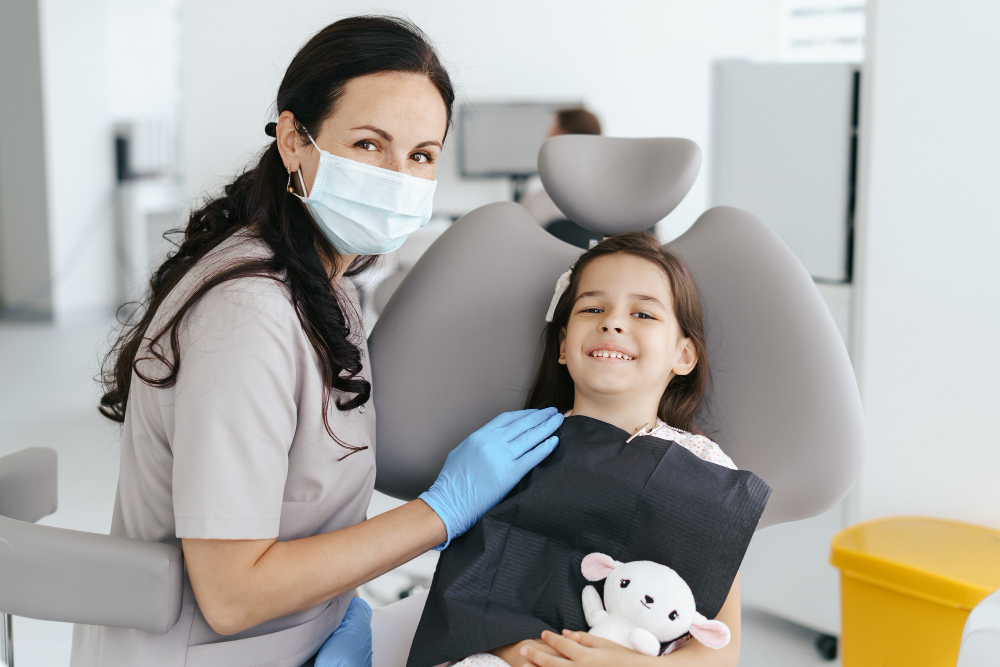
Helping children develop healthy dental habits early can support their oral health as they grow. Regular dental visits allow dental professionals to monitor developing teeth, provide preventive care, and help parents understand how to care for their child’s smile.
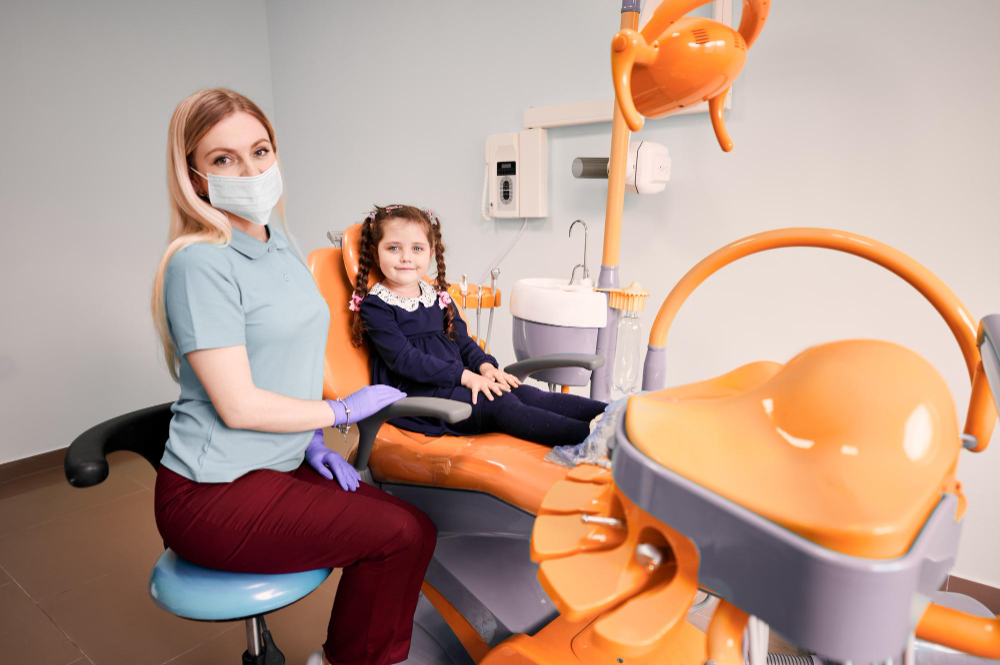
If you’re searching for a pediatric dentist in Holly Springs, NC, choosing a dental practice that provides children’s dental care can make it easier to establish a consistent dental routine.
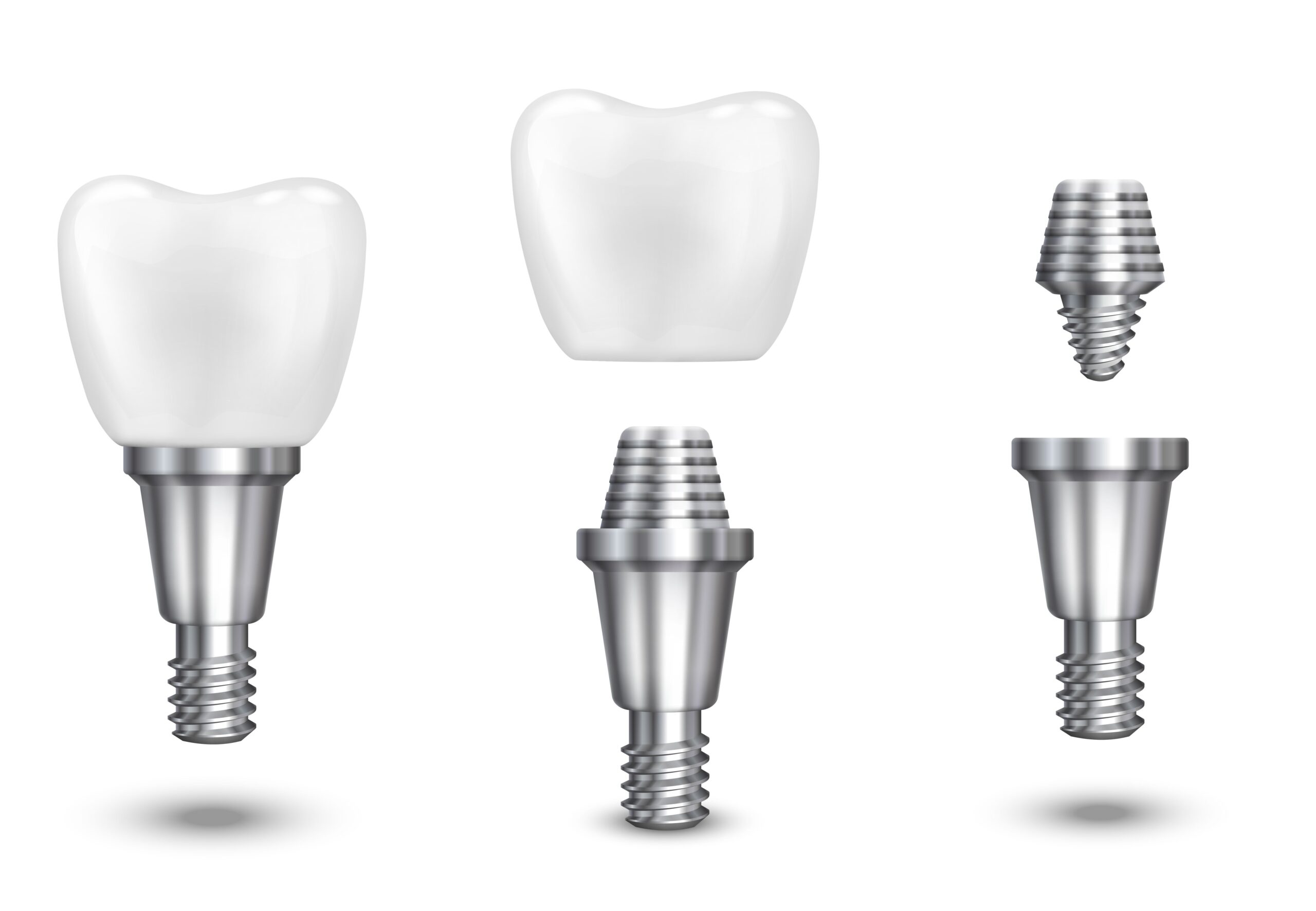
Anyday Smiles lists Pediatric Dentistry among its services, along with preventive dentistry, restorative dentistry, dentures, clear aligners, implant dentistry, night guards, root canal therapy, smile makeovers, and gum health.
This guide explains children’s dental care, when kids should visit the dentist, what parents can expect, and how to help children develop good oral hygiene habits.
What Is Pediatric Dentistry?
Pediatric dentistry focuses on the oral health needs of children as their teeth and jaws develop.
Children’s dental care can involve:
- Dental examinations
- Preventive care
- Professional cleanings
- Cavity prevention
- Monitoring developing teeth
- Oral hygiene guidance
- Evaluation of dental concerns
- Education for parents and children
The specific services provided can vary between dental practices and according to a child’s age and dental needs.
Why Is Children's Dental Care Important?
Children’s teeth are constantly changing as they grow.
Baby teeth eventually make way for permanent teeth, making regular dental monitoring important.
Dental visits can help:
Monitor Developing Teeth
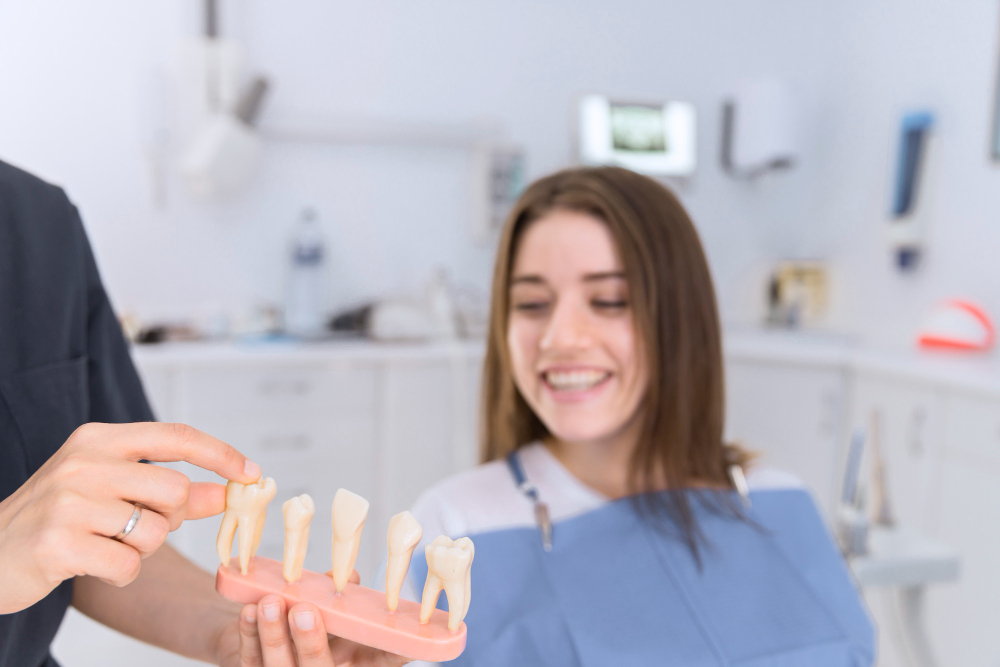
A dentist can monitor the growth and development of a child’s teeth and identify potential concerns.
Encourage Good Oral Hygiene
Children can learn how to brush and clean their teeth properly with age-appropriate guidance.
Identify Dental Problems Early
Regular examinations may help identify cavities, tooth abnormalities, gum concerns, or other issues before they become more complicated.
Build Positive Dental Habits
Regular dental visits can help children become familiar with dental care and understand why oral health matters.
When Should a Child First Visit the Dentist?
Children should begin dental care early rather than waiting until they develop tooth pain.
Dental organizations generally recommend that a child’s first dental visit occur around the time the first tooth appears and no later than the first birthday.
The exact timing and follow-up schedule can vary depending on the child’s needs.
Parents can discuss the appropriate schedule with their child’s dentist.
How Often Should Children Visit the Dentist?
The appropriate frequency depends on the child’s oral health, age, risk factors, and dental history.
Some children may need routine visits at regular intervals, while others may require additional appointments because of specific dental concerns.
Your child’s dentist can recommend a schedule based on their individual needs.
If you’re looking for a kids dentist in Holly Springs, ask Anyday Smiles about the pediatric appointments and preventive services available for your child.
What Happens During a Child's Dental Visit?
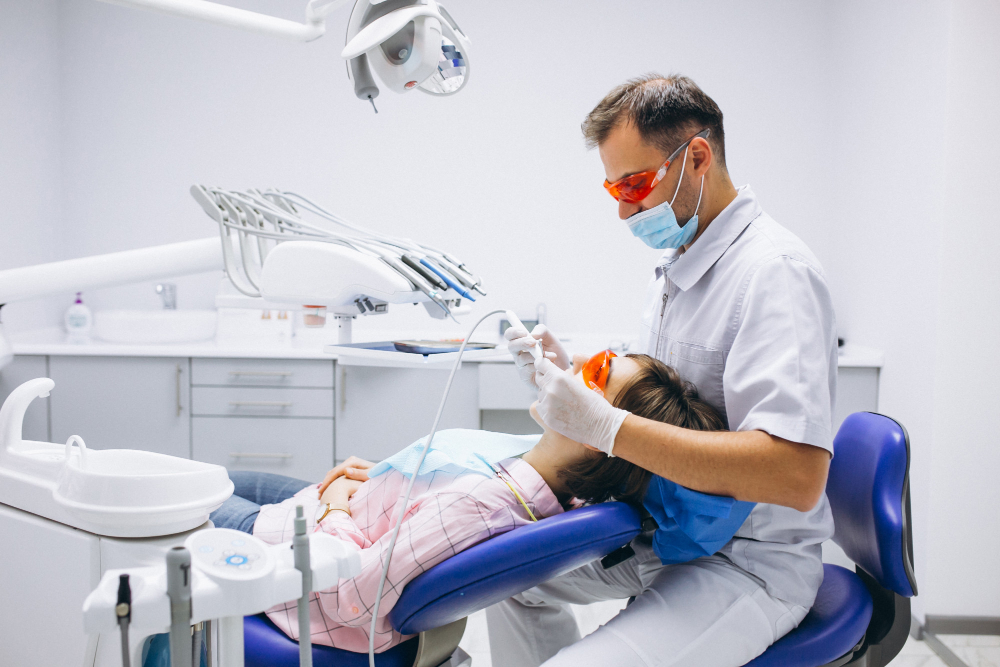
A child’s dental appointment can vary depending on age and cooperation.
A visit may include:
Dental Examination
The dentist examines the child’s teeth, gums, and mouth.
The dentist may also monitor how the teeth are developing.
Professional Cleaning
If appropriate for the child’s age and dental needs, a professional cleaning may be performed.
Oral Hygiene Guidance
The dental team may teach the child appropriate brushing and cleaning techniques.
Parents may also receive guidance about helping their child maintain good oral hygiene at home.
Discussion With Parents
The dentist can discuss any concerns identified during the appointment and explain recommended next steps.
How Can Parents Prepare a Child for Their First Dental Visit?
Use simple, age-appropriate language when explaining what the dentist does.
Avoid using frightening words or describing dental procedures in a way that may create unnecessary anxiety.
Read Children’s Books About Dental Visits
Age-appropriate books about going to the dentist can help children understand what to expect.
Avoid Sharing Your Own Dental Fears
Children can pick up on a parent’s anxiety.
Try to remain calm and positive when discussing the dental visit.
Let the Dental Team Guide the Appointment
Dental professionals who work with children can use age-appropriate communication to help make the visit more comfortable.
Children's Oral Hygiene at Home
Dental care doesn’t stop after a dental appointment.
Parents play an important role in helping children maintain good oral hygiene.
Brush Regularly
Children should brush their teeth regularly with fluoride toothpaste appropriate for their age.
Younger children generally need help from a parent or caregiver to brush effectively.
Clean Between Teeth
As soon as children have teeth that touch each other, cleaning between those teeth becomes important.
Parents can help younger children with flossing or another dentist-recommended method.
Use an Appropriate Amount of Fluoride Toothpaste
The appropriate amount of fluoride toothpaste depends on the child’s age.
Parents should follow their dentist’s recommendations and supervise young children to reduce the risk of swallowing toothpaste.
How Does Diet Affect Children's Teeth?
Diet can influence children’s oral health.
Frequent exposure to sugary foods and drinks can increase the risk of tooth decay.
Parents can support healthy teeth by:
- Limiting frequent sugary snacks.
- Choosing water regularly.
- Offering nutritious foods.
- Avoiding prolonged exposure to sugary drinks.
- Following dental recommendations for the child’s individual needs.
The goal isn’t necessarily to eliminate every sweet food but to develop healthy eating and oral hygiene habits.
Baby Teeth Matter
Baby teeth are temporary, but they still play important roles.
They help children:
- Chew food.
- Develop speech.
- Maintain space for permanent teeth.
- Develop normal oral functions.
A baby tooth with a cavity or infection should not automatically be ignored simply because it will eventually fall out.
Your child’s dentist can determine whether treatment is necessary.
What Are Common Children's Dental Problems?
Children can experience many of the same dental problems as adults.
Tooth Decay
Cavities are one of the most common dental concerns in children.
Good oral hygiene, healthy dietary habits, fluoride exposure, and regular dental care can help reduce the risk.
Tooth Sensitivity or Pain
If your child complains of tooth pain or sensitivity, schedule a dental evaluation.
Don’t assume that discomfort will resolve on its own.
Dental Injuries
Children may chip, crack, or damage teeth during sports, play, or accidents.
A damaged tooth should be evaluated by a dental professional.
Gum Problems
Children can also develop gum inflammation or other gum concerns.
If you notice bleeding, swelling, or persistent redness, discuss it with your child’s dentist.
What Should I Do If My Child Has a Toothache?
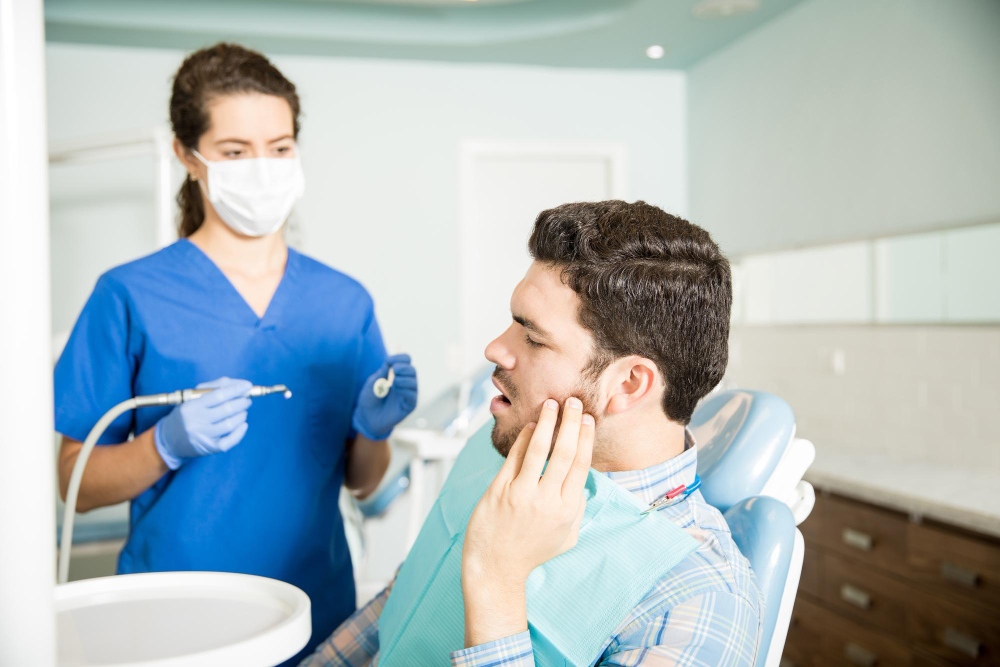
A child’s toothache should be taken seriously.
Contact a dental professional if your child experiences:
- Persistent tooth pain
- Sensitivity
- Swelling
- Pain while eating
- A broken tooth
- Fever associated with dental symptoms
- Other unusual changes in the mouth
Don’t give your child medication without following appropriate pediatric dosing guidance.
If your child has significant facial swelling or difficulty breathing or swallowing, seek immediate emergency medical care.
What If My Child Chips or Breaks a Tooth?
Dental injuries can happen during sports, falls, or other activities.
If your child chips or breaks a tooth:
- Stay calm.
- Have your child rinse gently with water if appropriate.
- Avoid chewing on the affected area.
- Save any broken tooth fragment if possible.
- Contact a dental professional for guidance.
If the injury is significant or involves facial trauma, seek appropriate urgent medical care.
Protecting Children's Teeth During Sports
Children who participate in contact or collision sports may benefit from wearing a properly fitted mouthguard.
A mouthguard can help reduce the risk of certain dental injuries.
Ask your child’s dentist whether a custom or other appropriate mouthguard may be suitable for their activities.
Thumb Sucking and Pacifier Habits
Thumb sucking and pacifier use can be normal behaviors during early childhood.
However, prolonged habits can sometimes affect the development and positioning of teeth.
If you’re concerned about your child’s thumb-sucking or pacifier habit, discuss it with a dental professional.
The appropriate approach depends on the child’s age and individual development.
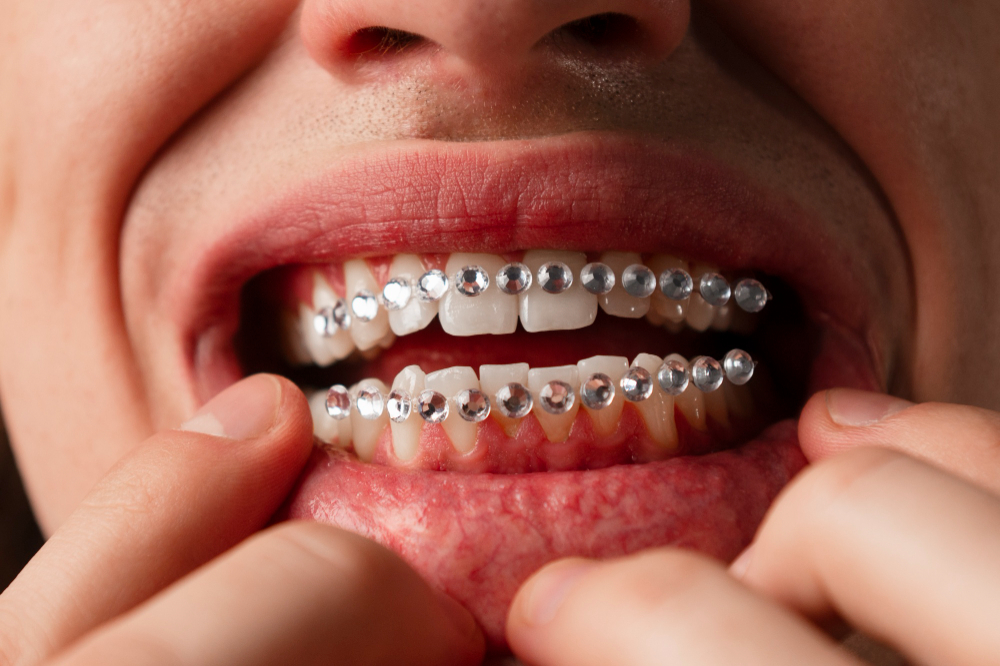
What About Children's Clear Aligners or Braces?
Some children and teenagers may eventually require orthodontic treatment.
Depending on the child’s dental development and orthodontic needs, a dentist may discuss options such as:
- Clear aligners
- Traditional braces
- Referral to an orthodontist
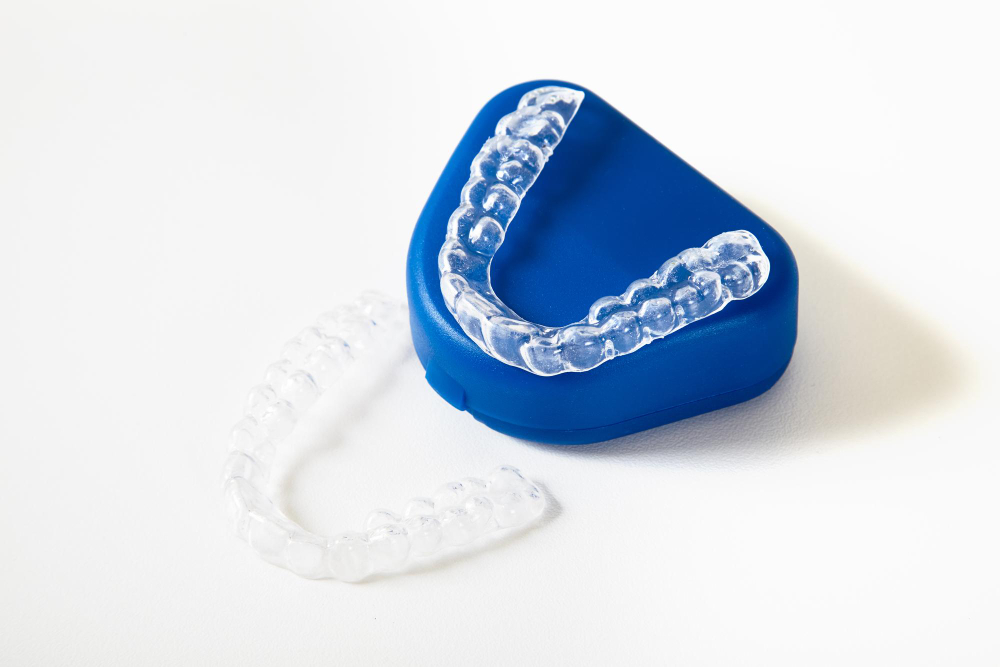
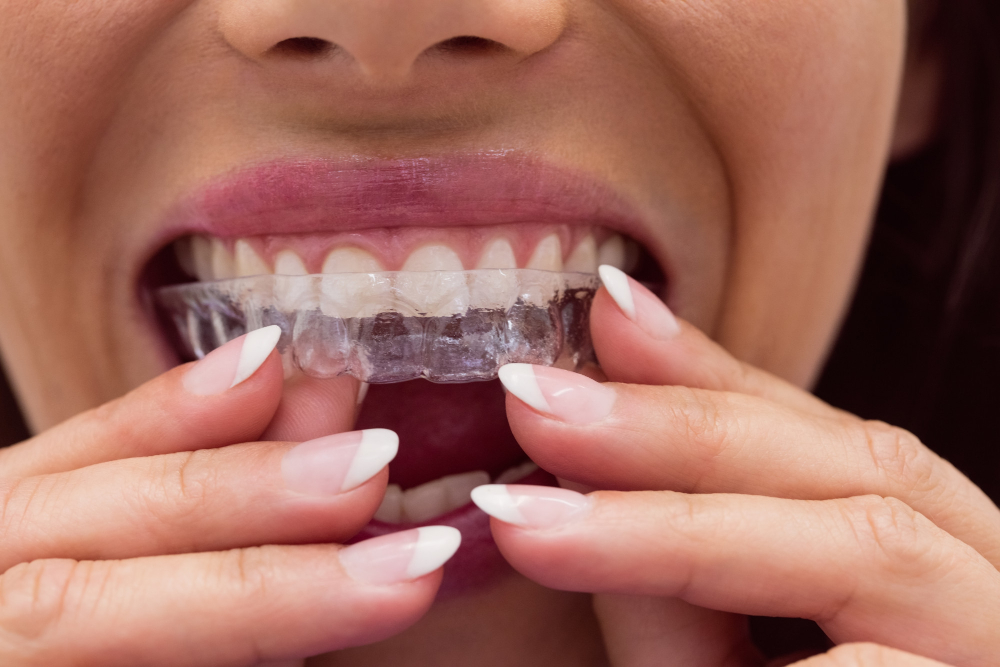
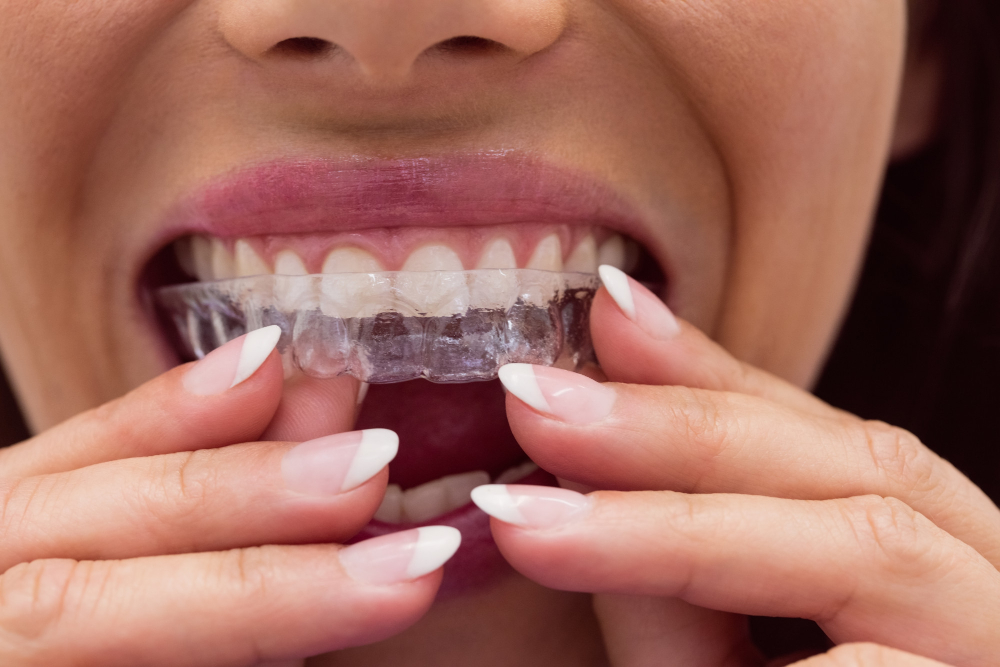
Anyday Smiles lists Clear Aligners among its services.
However, clear aligners aren’t appropriate for every child or every orthodontic problem.
An evaluation is necessary to determine whether they are suitable.
Pediatric Dentistry and Preventive Care
Preventive care is an important part of children’s dentistry.
Anyday Smiles lists both Pediatric Dentistry and Preventive Dentistry among its services.
Preventive care may include:
- Regular dental examinations
- Professional cleanings
- Fluoride-related preventive care when appropriate
- Oral hygiene education
- Monitoring dental development
- Identifying potential problems early
The specific preventive services recommended depend on your child’s age and dental health.
How Can Parents Make Dental Visits Easier?
Consistency can help children become comfortable with dental care.
Parents can:
- Schedule visits regularly.
- Maintain a positive attitude about dental appointments.
- Establish brushing routines at home.
- Avoid using dental visits as a threat or punishment.
- Reward healthy habits rather than focusing on fear.
- Follow the dentist’s recommendations.
Over time, regular dental visits can become a normal part of a child’s healthcare routine.
Choosing a Pediatric Dentist in Holly Springs, NC
If you’re searching for a pediatric dentist near me in Holly Springs, consider the following:
Children’s Dental Services
Confirm that the practice offers the specific pediatric services your child needs.
Preventive Care
Regular examinations and preventive care are important parts of children’s oral health.
Communication
A dental practice should be able to explain treatment recommendations clearly to both parents and children.
Convenient Appointments
A convenient location and appointment schedule can make it easier to maintain regular dental visits.
Emergency Guidance
Ask the practice how they handle dental injuries or urgent pediatric dental concerns.
Don’t assume that a practice offers after-hours or emergency pediatric appointments unless the clinic confirms it.
Pediatric Dentistry at Anyday Smiles
Anyday Smiles lists Pediatric Dentistry among its dental services in Holly Springs, NC.
Other listed services include:
- Preventive Dentistry
- Restorative Dentistry
- Dentures
- Clear Aligners
- Implant Dentistry
- Night Guard
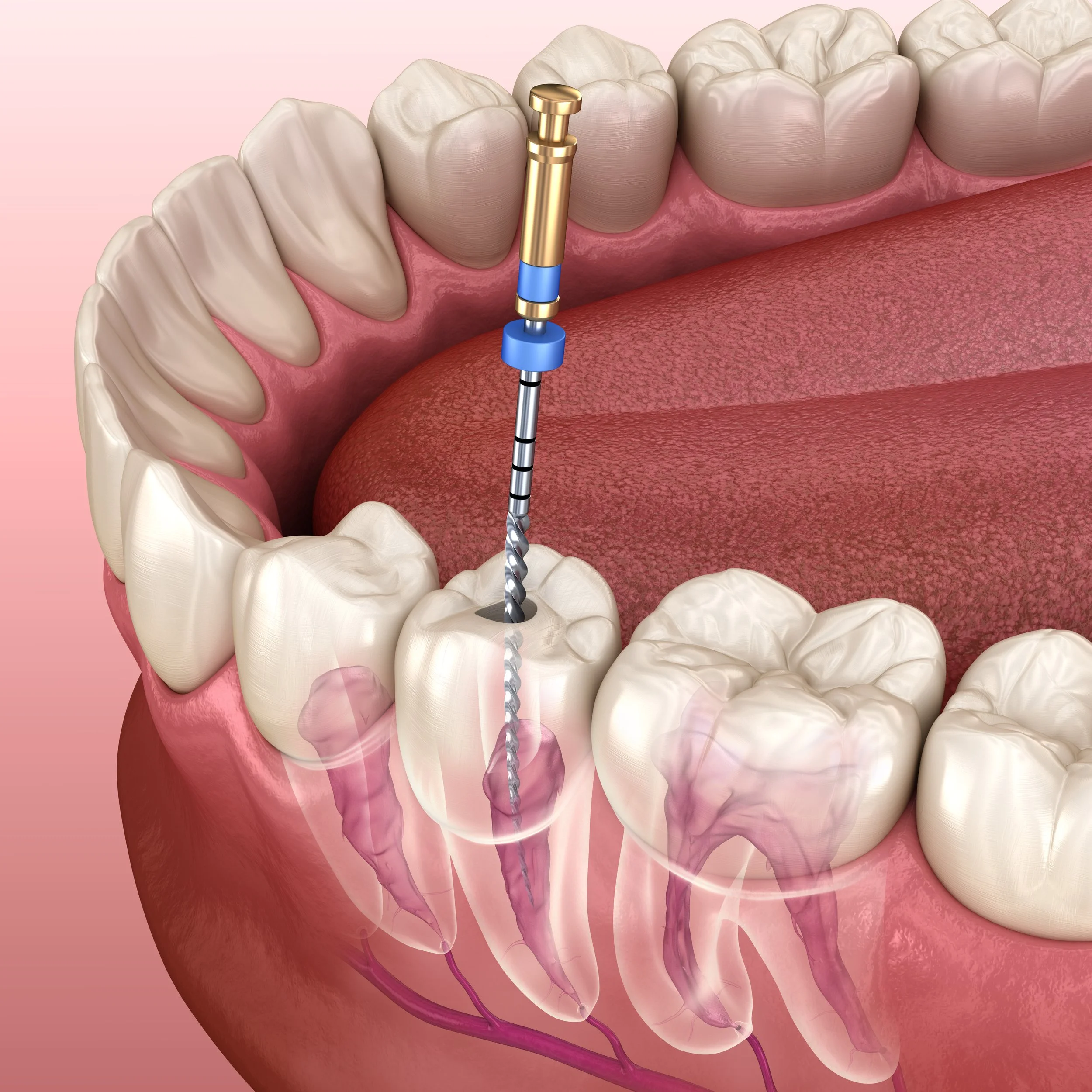
- Root Canal Therapy
- Smile Makeover
- Gum Health
If you’re searching for a pediatric dentist in Holly Springs, NC, contact Anyday Smiles to learn about children’s dental services, available appointments, and the care options appropriate for your child.
Frequently Asked Questions
When should my child first see a dentist?
Children should generally have their first dental visit around the time their first tooth appears and no later than their first birthday. Your child’s dentist can recommend the appropriate ongoing visit schedule.
How often should children visit the dentist?
The recommended frequency depends on the child’s oral health, age, risk factors, and dental history. Your child’s dentist can recommend an appropriate schedule.
When should children start brushing their teeth?
Parents can begin cleaning a baby’s mouth before teeth appear and start brushing once the first tooth comes in. The appropriate toothpaste amount and technique depend on the child’s age.
Are baby teeth really important?
Yes. Baby teeth help children chew and speak and help maintain space for permanent teeth. They should be cared for even though they are eventually replaced.
What should I do if my child's tooth is knocked out?
Contact a dental professional immediately for guidance. The appropriate response can differ depending on whether it is a baby tooth or permanent tooth.
Can children get cavities?
Yes. Children can develop cavities, particularly when oral hygiene and dietary habits increase the risk of tooth decay.
Does Anyday Smiles offer pediatric dentistry?
Yes. Pediatric Dentistry is included in the list of Anyday Smiles services you provided.
Find a Pediatric Dentist
Helping your child establish healthy dental habits early can support their oral health as they grow.
Regular dental visits, good home care, healthy eating habits, and timely treatment of dental concerns all play a role in maintaining a child’s smile.
If you’re searching for a pediatric dentist in Holly Springs, NC, kids dentist in Holly Springs, or child dentist near me, contact Anyday Smiles to learn more about its pediatric dental services and available appointments.
Anyday Smiles — Supporting healthy smiles from childhood onward.
This article provides general dental information and is not a substitute for individualized advice from a qualified dental professional.