Root Canal in Holly Springs, NC: Signs, Treatment, and What to Expect

Tooth pain or sensitivity can sometimes be caused by a problem inside the tooth. When the soft tissue inside a tooth becomes inflamed or infected, root canal therapy may be recommended to treat the problem while preserving the natural tooth.
If you’re searching for a root canal in Holly Springs, NC, understanding the symptoms, treatment process, and recovery can help you know what to expect.
Anyday Smiles lists Root Canal Therapy among its dental services, along with preventive dentistry, restorative dentistry, dentures, clear aligners, implant dentistry, night guards, smile makeovers, gum health, and pediatric dentistry.
This guide explains when root canal therapy may be considered, what happens during treatment, and when you should contact a dentist about tooth pain.
What Is Root Canal Therapy?
Root canal therapy is a dental procedure used to treat problems affecting the pulp, or soft tissue, inside a tooth.
The pulp contains nerves and blood vessels. If the pulp becomes inflamed or infected, it can cause pain and other symptoms.
During root canal treatment, the affected tissue is removed from inside the tooth. The space is then cleaned, disinfected, and sealed.
The goal is to address the underlying problem while allowing the natural tooth to remain in place.
Why Might You Need a Root Canal?
Several conditions can damage or infect the pulp inside a tooth.
Common causes include:
- Deep tooth decay
- A cracked or damaged tooth
- Dental trauma
- Repeated dental procedures on the same tooth
- Bacteria reaching the inner part of the tooth
A tooth may require root canal therapy even when the symptoms aren’t severe.
That’s why a dental examination is important when you have persistent or unusual tooth symptoms.
Signs You May Need Root Canal Treatment
Symptoms can vary from person to person.
Potential signs include:
Persistent Tooth Pain
Ongoing tooth pain can indicate several different dental problems.
Pain that doesn’t go away should be evaluated rather than treated only with temporary pain relief.
Sensitivity to Hot or Cold
A tooth that remains painful after exposure to hot or cold foods and drinks may require evaluation.
However, sensitivity can have many causes, so it doesn’t automatically mean that you need a root canal.
Pain When Biting
Pain when chewing or biting can sometimes indicate a problem with the tooth or tissues surrounding it.
A dentist can determine the cause.
Swelling
Swelling around a tooth or in the gums can be associated with infection.
Significant or rapidly increasing facial swelling requires prompt medical attention.
Tooth Discoloration
A tooth that becomes darker than surrounding teeth may have experienced damage to its internal tissues.
Discoloration alone doesn’t determine whether root canal therapy is needed, but it should be evaluated.
Gum Tenderness
Tenderness or a small swelling near a tooth can sometimes occur when there is an infection.
Contact a dentist for an evaluation if you notice unusual changes around a tooth.
Does Tooth Pain Always Mean You Need a Root Canal?
No.
Tooth pain can have many possible causes, including:
- Tooth decay
- Gum problems
- Tooth sensitivity
- Cracked teeth
- Worn enamel
- Dental trauma
- Infection
- Other oral health conditions
Only a dental examination can determine the cause.
A dentist may perform an examination and, when appropriate, use dental imaging to understand what’s happening inside and around the tooth.
What Happens During a Root Canal?
The exact process can vary depending on the tooth and the complexity of the treatment.
Step 1: Examination and Diagnosis
Your dentist evaluates the affected tooth and discusses your symptoms.
Dental X-rays or other imaging may be used when clinically appropriate.
The purpose is to determine the source of the problem and whether root canal treatment may be appropriate.
Step 2: Local Anesthesia
Before treatment begins, the dentist typically uses local anesthesia to numb the area.
This helps minimize discomfort during the procedure.
Step 3: Accessing the Tooth
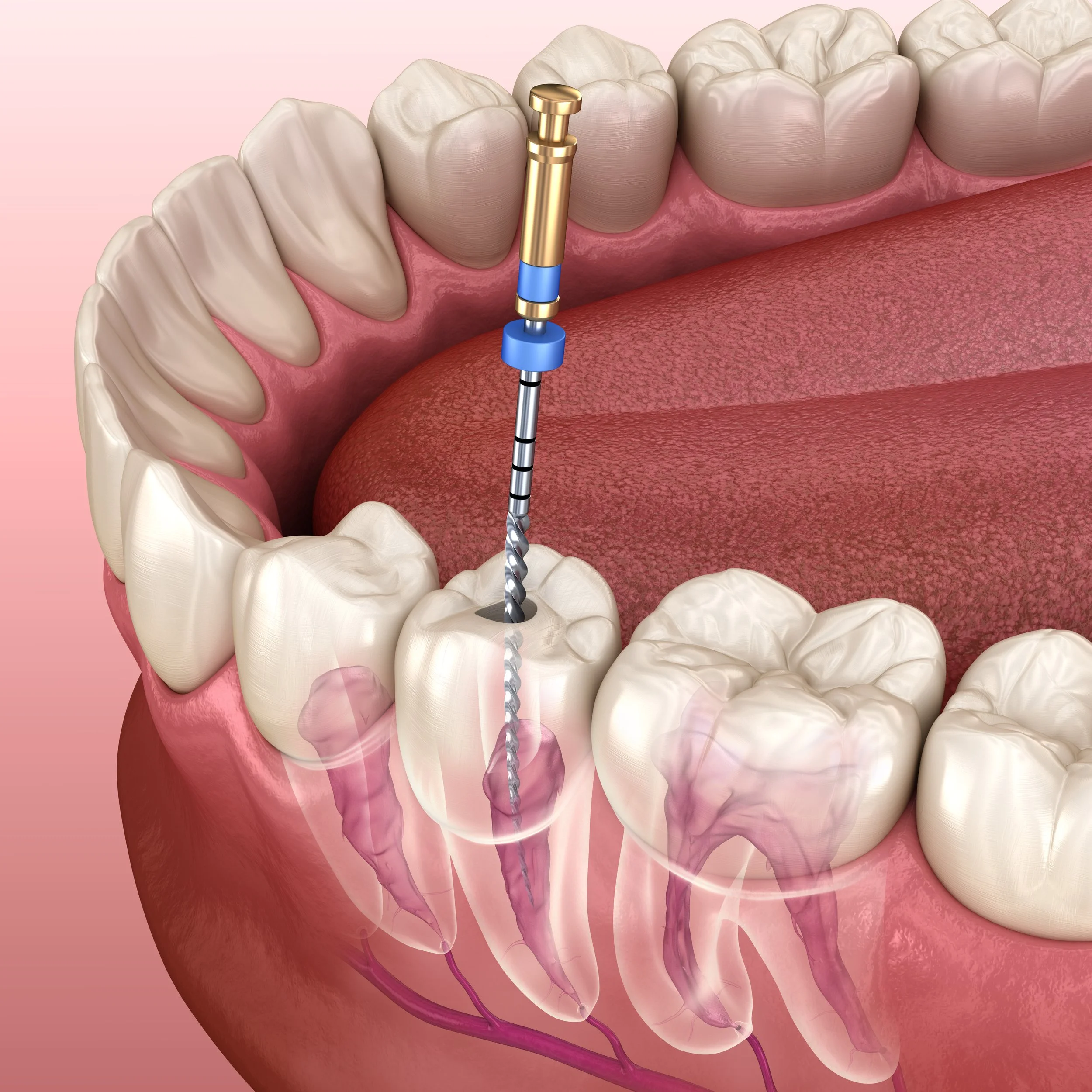
The dentist creates an opening in the tooth to access the affected pulp.
Step 4: Removing the Affected Tissue
The inflamed or infected pulp is carefully removed from inside the tooth.
Step 5: Cleaning and Disinfecting
The internal spaces of the tooth are cleaned and disinfected.
Step 6: Filling and Sealing
The cleaned space is filled and sealed to help prevent bacteria from entering the tooth again.
Step 7: Restoring the Tooth
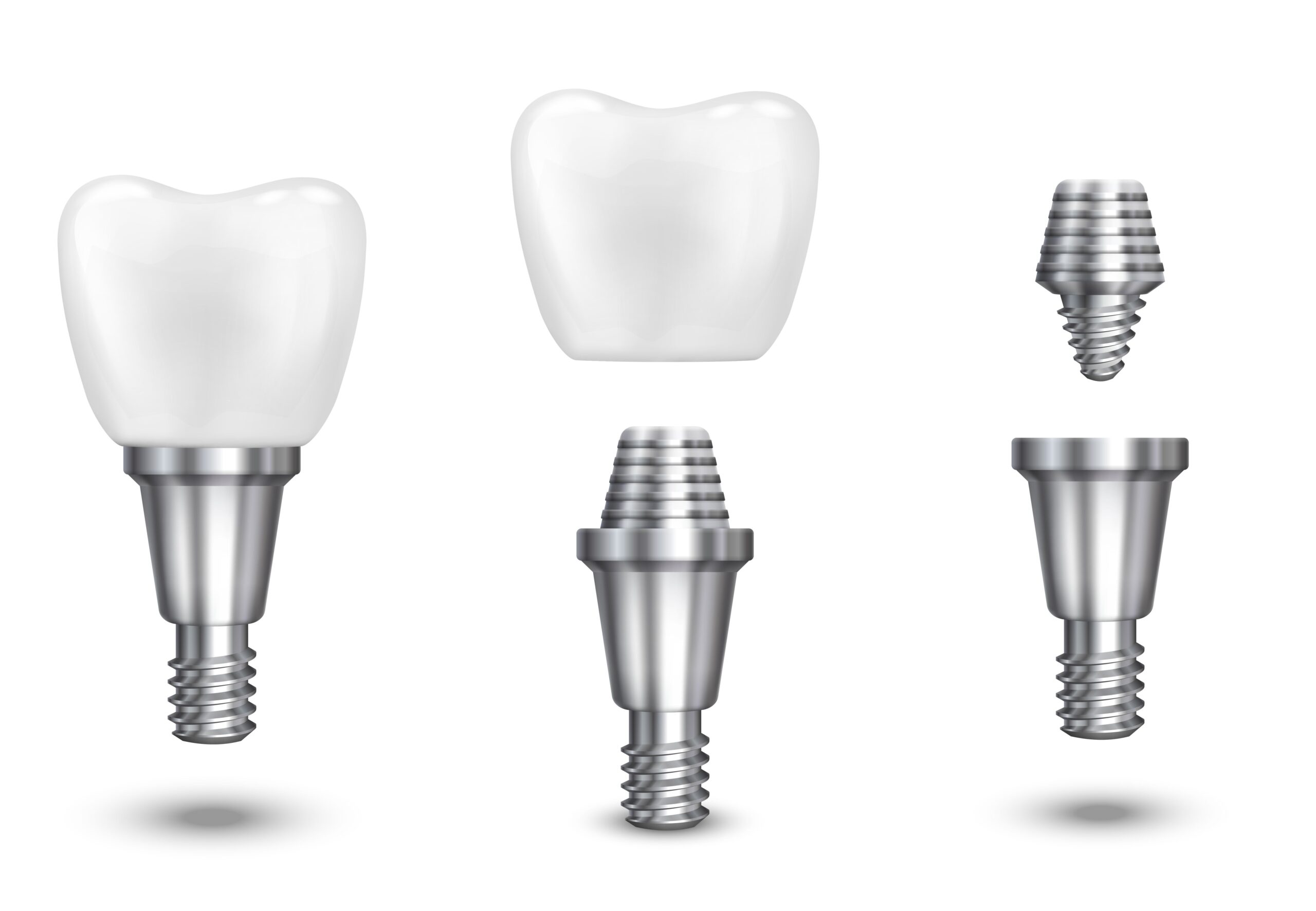
Depending on the condition of the tooth, a permanent restoration may be recommended to restore its function and protect it from further damage.
Your dentist will explain which restoration is appropriate.
Is a Root Canal Painful?
Modern root canal treatment is performed with anesthesia to minimize discomfort during the procedure.
You may experience some tenderness or sensitivity after treatment.
Post-treatment discomfort is generally manageable, but every patient responds differently.
If you experience severe or worsening pain, significant swelling, or other concerning symptoms after treatment, contact your dental provider.
How Long Does a Root Canal Take?
Treatment time varies depending on factors such as:
- Which tooth is being treated.
- The complexity of the root canals.
- The extent of infection or inflammation.
- Whether additional treatment is necessary.
- The type of restoration required afterward.
Some root canals can be completed in one appointment, while others may require more than one visit.
Your dentist can provide a more accurate estimate after examining the tooth.
What Should You Expect After a Root Canal?
Some tenderness around the treated tooth can occur after treatment.
Your dentist will provide specific aftercare instructions.
Depending on the tooth and restoration, you may be advised to:
- Avoid chewing hard foods on the treated tooth until your dentist says it’s safe.
- Follow prescribed or recommended medication instructions.
- Maintain normal oral hygiene unless instructed otherwise.
- Attend your follow-up appointment if one is recommended.
Contact your dentist if you develop severe pain, significant swelling, or other unexpected symptoms.
Why Is a Crown Sometimes Needed After a Root Canal?
A root canal removes the infected or inflamed tissue from inside the tooth, but the tooth may still need protection.
Some teeth can become more susceptible to fracture after root canal treatment, particularly teeth that have lost significant structure.
A crown or another restoration may therefore be recommended depending on the tooth’s condition.
The need for a crown depends on factors such as:
- Which tooth was treated.
- How much natural tooth structure remains.
- The amount of previous damage.
- The forces placed on the tooth.
Your dentist can explain the appropriate restoration for your tooth.
Root Canal vs. Tooth Extraction
Patients with severe tooth problems may sometimes wonder whether they should have a root canal or extraction.
These treatments are fundamentally different.
Root Canal Therapy
Root canal therapy aims to remove infected or inflamed tissue from inside the tooth while preserving the natural tooth.
Tooth Extraction
Extraction removes the affected tooth.
If a tooth cannot be predictably restored, extraction may sometimes be considered.
When possible, preserving a natural tooth may be an option, but the decision depends on the condition of the tooth and surrounding tissues.
Your dentist can explain whether root canal therapy, extraction, or another treatment is appropriate.
Root Canal vs. Tooth Extraction
Patients with severe tooth problems may sometimes wonder whether they should have a root canal or extraction.
These treatments are fundamentally different.
Root Canal Therapy
Root canal therapy aims to remove infected or inflamed tissue from inside the tooth while preserving the natural tooth.
Tooth Extraction
Extraction removes the affected tooth.
If a tooth cannot be predictably restored, extraction may sometimes be considered.
When possible, preserving a natural tooth may be an option, but the decision depends on the condition of the tooth and surrounding tissues.
Your dentist can explain whether root canal therapy, extraction, or another treatment is appropriate.
What Happens If You Don't Treat an Infected Tooth?
An untreated dental infection may worsen over time.
Potential complications can include:
- Increasing pain
- Swelling
- Damage to surrounding tissues
- Formation of an abscess
- Tooth loss
Not every tooth infection causes severe symptoms immediately.
If your dentist recommends treatment, ask about the risks of delaying care and the available alternatives.
Root Canal and Emergency Tooth Pain
If you have severe tooth pain, swelling, or another sudden dental problem, you may search for an emergency dentist in Holly Springs, NC.
Whether your situation requires emergency care depends on the symptoms and severity.
Contact a dental professional promptly if you have:
- Severe or persistent tooth pain
- Significant swelling
- A damaged tooth
- Fever associated with dental symptoms
- Difficulty opening your mouth
- Other rapidly worsening dental symptoms
If you have difficulty breathing or swallowing or rapidly increasing facial or neck swelling, seek immediate emergency medical care.
Can Children Have Root Canal Treatment?
Children can sometimes require treatment for damaged or infected teeth.
However, treatment depends on whether the affected tooth is a baby tooth or permanent tooth, the child’s age, and the condition of the tooth.
Anyday Smiles lists Pediatric Dentistry among its services.
Parents should consult a dental professional if a child develops persistent tooth pain, swelling, or sensitivity.
How Can You Reduce the Risk of Needing a Root Canal?
Not every root canal can be prevented, but good oral care can reduce the risk of certain dental problems.
Maintain Good Oral Hygiene
Brush regularly with fluoride toothpaste and clean between your teeth.
Attend Regular Dental Visits
Routine dental examinations can help identify cavities and other problems before they become more extensive.
Address Cavities Early
Untreated decay can progress deeper into a tooth.
Early treatment may help prevent more extensive damage.
Protect Your Teeth
If you participate in contact sports, consider using a properly fitted mouthguard.
Avoid using your teeth to bite hard objects or open packages.
Don’t Ignore Persistent Symptoms
Tooth pain or sensitivity that continues should be evaluated rather than ignored.
Choosing a Root Canal Dentist in Holly Springs
If you’re searching for root canal therapy in Holly Springs, consider the following when choosing a dental practice:
- Does the practice offer root canal therapy?
- Can the dentist evaluate tooth pain and infection?
- Does the practice provide restorative treatment afterward?
- Can you discuss alternative treatments when appropriate?
- Is follow-up care available?
Anyday Smiles lists both Root Canal Therapy and Restorative Dentistry among its services.
Contact the practice to learn more about the available treatment options.
Root Canal Therapy at Anyday Smiles
Anyday Smiles offers Root Canal Therapy as one of its listed dental services in Holly Springs, NC.
Other listed services include:
- Preventive Dentistry
- Restorative Dentistry
- Dentures
- Clear Aligners
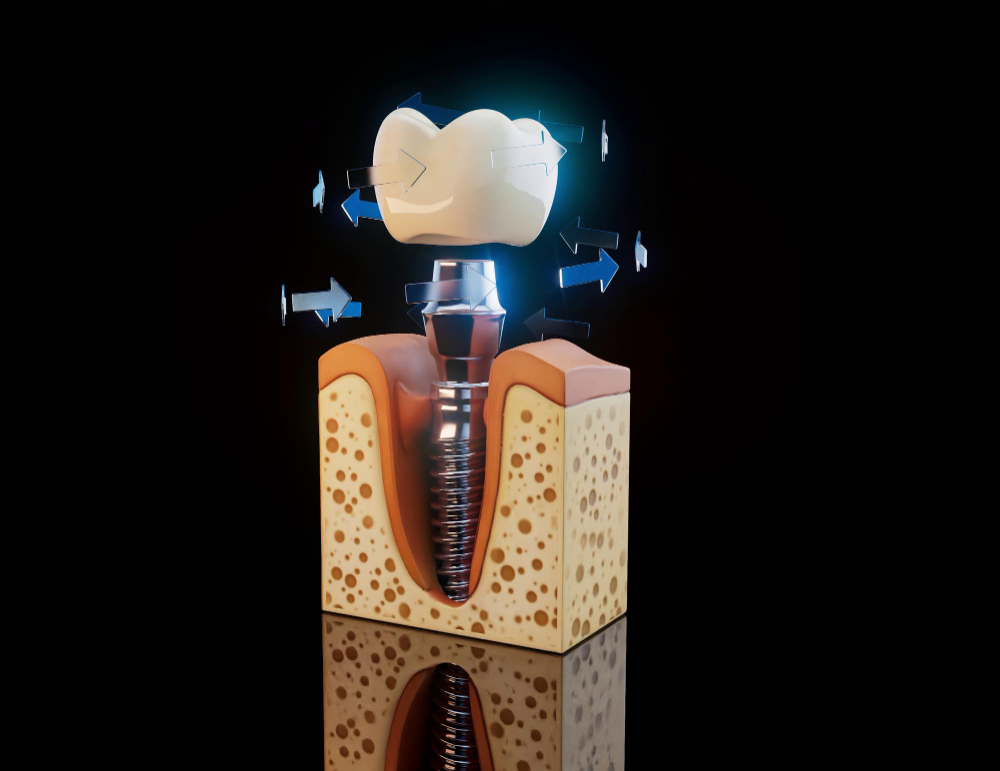
- Implant Dentistry
- Night Guard
- Smile Makeover
- Gum Health
- Pediatric Dentistry
If you’re experiencing persistent tooth pain or have been told that you may need root canal treatment, contact Anyday Smiles to discuss your symptoms and available appointment options.
Frequently Asked Questions
How do I know if I need a root canal?
Persistent tooth pain, prolonged sensitivity, pain when biting, swelling, or certain types of tooth damage can be signs of a problem that may require root canal treatment. However, only a dental examination can determine whether you need a root canal.
Is root canal treatment better than extraction?
Root canal treatment and extraction serve different purposes. When a tooth can be predictably restored, root canal therapy may allow the natural tooth to remain. If a tooth cannot be restored, extraction may be considered.
How long does a root canal take?
Treatment time varies depending on the tooth, complexity, infection, and restoration needed. Some cases can be completed in one appointment, while others require multiple visits.
Can I eat after a root canal?
Your dentist will provide specific instructions. Depending on the treatment and restoration, you may need to avoid chewing on the treated tooth until it has been appropriately restored.
How long does a root canal last?
A root canal-treated tooth can function for many years when properly restored and maintained, but longevity varies from patient to patient. Regular dental care and good oral hygiene remain important.
What happens if I delay a root canal?
If an infected or severely damaged tooth is left untreated, the condition may worsen and potentially lead to increased pain, swelling, infection, or tooth loss.
Does Anyday Smiles provide root canal therapy?
Yes. Root Canal Therapy is included in the list of dental services you provided for Anyday Smiles in Holly Springs, NC.
Schedule a Root Canal Consultation
Persistent tooth pain shouldn’t be ignored. The sooner the cause is identified, the sooner you can understand your treatment options.
If you’re searching for a root canal in Holly Springs, NC, Anyday Smiles offers Root Canal Therapy as part of its dental services.
Contact Anyday Smiles to discuss your symptoms, arrange an examination, and learn about the treatment options available for your tooth.
Anyday Smiles — Helping you protect and maintain your natural smile.
This article provides general dental information and is not a substitute for an examination or individualized advice from a qualified dental professional.