Tooth Extraction in Holly Springs, NC: When Is It Necessary?

Tooth extraction is a dental procedure in which a tooth is removed from its socket. Although dentists generally aim to preserve natural teeth whenever possible, extraction may sometimes be necessary to protect oral health or address a tooth that cannot be restored.
If you are searching for information about tooth extraction in Holly Springs, NC, understanding why a tooth may need to be removed, what happens during the procedure, and how to care for your mouth afterward can help you prepare.
At Anyday Smiles, patients can explore dental care options based on their individual oral health needs. A dental examination is important to determine whether a tooth can be preserved or whether extraction should be considered.
What Is a Tooth Extraction?
A tooth extraction involves removing a tooth from its socket in the jawbone.
Depending on the tooth’s condition and position, the procedure may be relatively straightforward or may require a more involved surgical approach.
Dentists generally consider extraction when preserving the tooth is not practical or when removing it is necessary for the patient’s oral health.
Before recommending extraction, a dentist may evaluate the tooth, surrounding gums, and supporting bone. Dental X-rays may also be recommended when needed.
When Might a Tooth Need to Be Extracted?
Several dental conditions can lead to a recommendation for tooth extraction.
1. Severe Tooth Decay
Tooth decay can damage the structure of a tooth over time. When the damage is extensive and the tooth cannot be restored predictably, extraction may be considered.
However, many damaged teeth can still be treated with restorative procedures. The appropriate option depends on how much healthy tooth structure remains and whether the tooth can be repaired.
2. Severe Tooth Damage
A tooth may become cracked, fractured, or broken because of an injury, biting pressure, or other factors.
Some damaged teeth can be repaired, while others may be too compromised to preserve.
A dental examination can help determine whether treatment such as a restoration or root canal therapy may be appropriate before extraction is considered.
3. Advanced Gum Disease
Advanced periodontal disease can damage the tissues and bone that support the teeth.
If a tooth becomes severely loose because of significant supporting bone loss, extraction may sometimes be necessary.
Early evaluation of gum problems can help identify appropriate treatment options before the condition progresses.
4. Dental Infection
An infection inside a tooth may sometimes be treated with root canal therapy.
If the tooth cannot be saved or restored, extraction may be considered as an alternative.
Facial swelling, fever, or worsening pain associated with a dental infection requires prompt professional evaluation. Difficulty breathing or swallowing, or rapidly increasing swelling, requires immediate emergency medical care.
5. Impacted Teeth
An impacted tooth is unable to emerge fully into its expected position.
Impacted teeth may cause pain, inflammation, infection, or damage to nearby teeth in some cases.
Whether an impacted tooth needs to be removed depends on its position, symptoms, and potential risks. Some cases may require evaluation by an oral surgeon.
6. Overcrowding
In certain orthodontic cases, removing a tooth may be considered to create space for alignment.
However, extraction is not necessary for everyone with crowded teeth. An orthodontic evaluation can help determine the most appropriate treatment plan.
Does Every Damaged Tooth Need Extraction?
No. Dentists generally consider whether a natural tooth can be preserved before recommending removal.
Depending on the condition, possible alternatives may include:
- A dental filling
- A dental crown
- Root canal therapy
- Other restorative treatments
- Gum disease treatment, when appropriate
The best option depends on the extent of damage, the condition of the surrounding tissues, and the long-term outlook for the tooth.
If extraction is recommended, ask your dentist why the tooth cannot be preserved and whether other treatment options are available.
What Happens During a Tooth Extraction?
The exact process depends on the tooth’s condition and whether the extraction is simple or surgical.
Step 1: Dental Examination
Your dentist evaluates the affected tooth, surrounding tissues, and your dental history.
X-rays may be taken if needed to assess the tooth’s roots and surrounding structures.
Step 2: Treatment Discussion
Your dentist explains why extraction may be necessary and discusses appropriate alternatives, potential risks, and aftercare.
If the case requires specialized surgical treatment, referral to an appropriate specialist may be recommended.
Step 3: Numbing the Area
Local anesthesia is commonly used to numb the area before a routine extraction.
You may feel pressure during the procedure, but you should tell your dental provider if you experience pain.
The anesthesia and approach used depend on the procedure and your individual needs.
Step 4: Removing the Tooth
During a simple extraction, the dentist loosens the tooth and removes it from its socket.
A surgical extraction may be more involved, particularly when a tooth is impacted, broken below the gumline, or difficult to access.
Step 5: Aftercare Instructions
After the extraction, your dental provider explains how to protect the area while it heals.
Following these instructions is important for reducing complications and supporting recovery.
Is Tooth Extraction Painful?
Local anesthesia is commonly used to reduce pain during a routine extraction.
After the anesthesia wears off, some soreness, swelling, or discomfort may occur. The amount and duration can vary depending on the complexity of the extraction and the individual’s healing response.
Your dentist can explain what to expect and recommend appropriate pain management based on your health history.
If pain becomes severe, worsens instead of improving, or is accompanied by other concerning symptoms, contact your dental provider promptly.
How Long Does It Take to Recover?
- Resting after the procedure
- Following instructions for controlling bleeding
- Eating soft foods initially
- Avoiding smoking or tobacco
- Avoiding straws when advised
- Keeping the mouth clean according to instructions
- Avoiding strenuous activity for the recommended period
What Should You Eat After a Tooth Extraction?
Soft foods can make eating more comfortable during the early recovery period.
Depending on your dentist’s instructions, suitable options may include:
- Yogurt
- Mashed potatoes
- Scrambled eggs
- Soft oatmeal
- Smooth soups that are not too hot
- Soft pasta
- Mashed vegetables
Avoid hard, crunchy, or sharp foods that may irritate the extraction site.
Try not to chew directly on the affected area while it is healing. Your dentist can advise when to return to your usual diet.
How Can You Reduce the Risk of Complications?
After an extraction, a blood clot forms in the socket and helps protect the healing area.
Disturbing this clot can increase the risk of a painful condition called dry socket.
To support healing:
- Follow all post-extraction instructions.
- Avoid forceful rinsing or spitting during the period specified by your dentist.
- Avoid smoking or tobacco use.
- Avoid drinking through a straw when advised.
- Do not poke the extraction site with your fingers or tongue.
- Keep your mouth clean according to your dentist’s guidance.
Contact your dentist if bleeding does not settle as instructed, pain becomes severe, swelling worsens, or you develop a fever.
What Happens After a Tooth Is Removed?
The next step depends on which tooth was removed, your oral health, and whether replacing the tooth is necessary.
Leaving a missing tooth unreplaced may affect chewing, appearance, or the position of neighboring teeth in some cases.
Depending on your circumstances, replacement options may include:
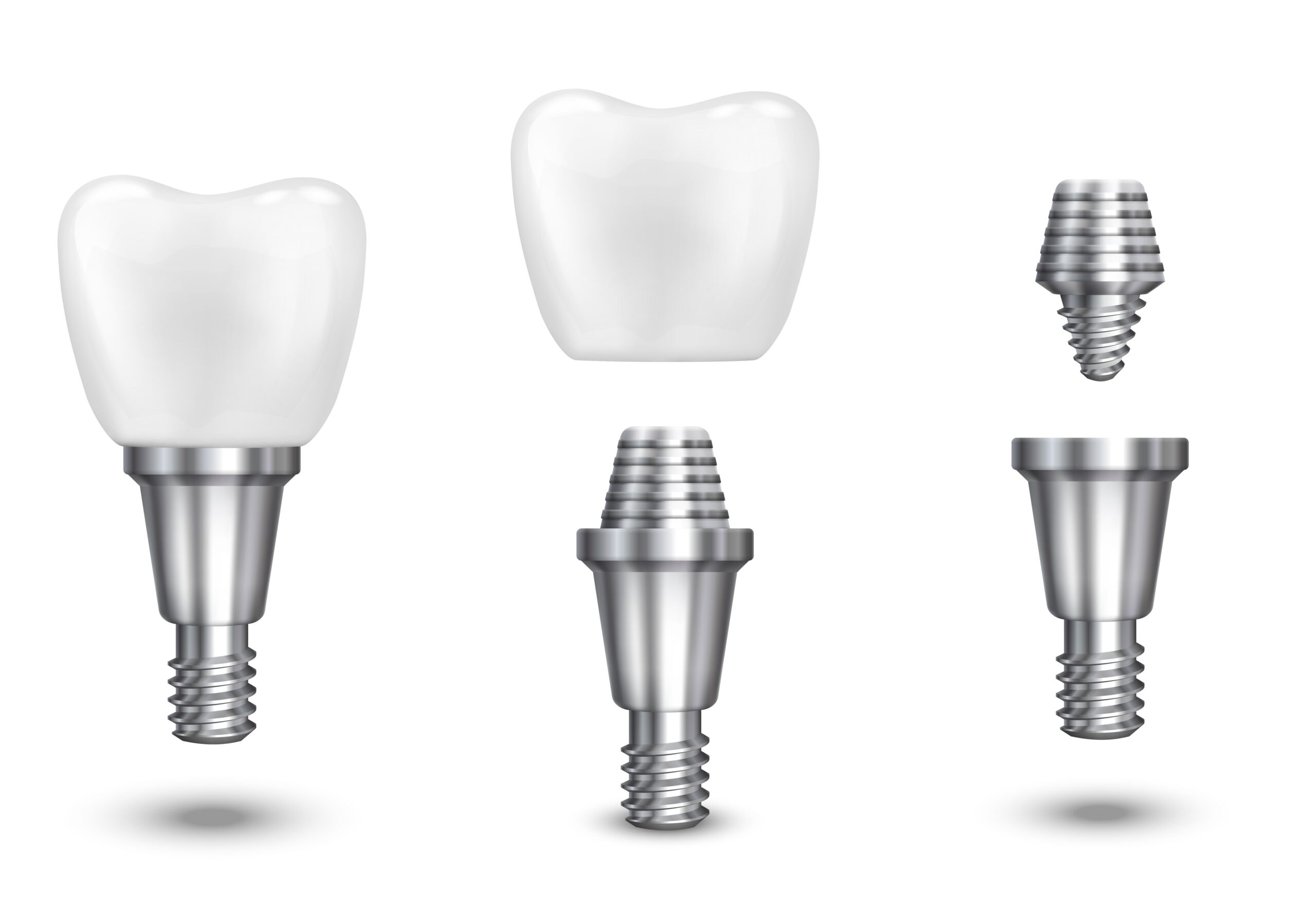
- Dental implants
- Dental bridges
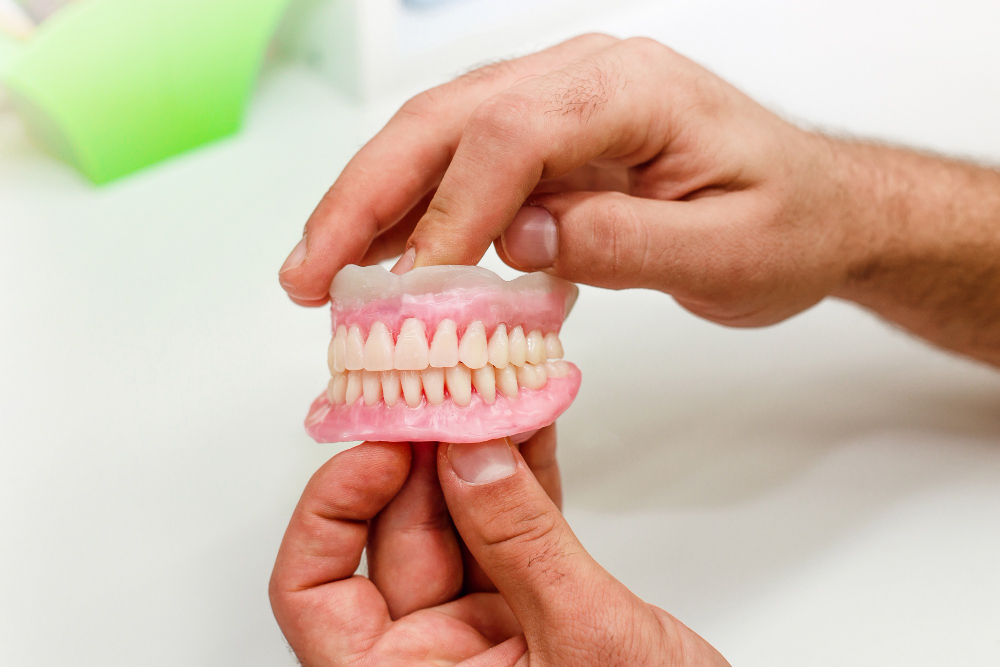
- Partial dentures
Not every extracted tooth requires replacement. For example, the decision may differ for a wisdom tooth compared with a tooth that plays an important role in chewing.
Your dentist can explain the potential consequences of leaving the space untreated and discuss suitable options.
Tooth Extraction vs. Root Canal Therapy
Tooth extraction and root canal therapy serve different purposes.
Root canal therapy treats infection or damage inside a tooth while allowing the tooth to remain in place when it can be successfully restored.
Tooth extraction removes the tooth when preserving it is not feasible or when removal is otherwise indicated.
When possible, preserving a natural tooth may be beneficial. However, the best option depends on the tooth’s condition, the surrounding tissues, and the expected outcome of treatment.
A dental examination can help determine which approach is appropriate.
When Should You Seek Urgent Dental Care?
Contact a dental provider promptly if you experience:
- Severe or persistent tooth pain
- A broken tooth with significant damage
- Swelling around a tooth or gums
- Pus or other signs of infection
- Pain that interferes with eating or sleeping
- Bleeding that does not settle
- Increasing pain or swelling after an extraction
Seek immediate emergency medical care if you have difficulty breathing or swallowing, rapidly increasing facial or neck swelling, or another potentially life-threatening symptom.
Do not assume that every painful tooth needs to be extracted. Prompt evaluation can help identify the cause and determine the appropriate treatment.
Tooth Extraction in Holly Springs, NC
If you have a severely damaged tooth, persistent tooth pain, or concerns about a possible infection, a dental examination can help you understand your options.
At Anyday Smiles in Holly Springs, NC, patients can discuss their dental concerns and explore appropriate treatment options based on their individual needs.
Whether a tooth can be preserved or extraction should be considered depends on a careful evaluation of the tooth and surrounding structures.
Frequently Asked Questions
When is a tooth extraction necessary?
Can a badly decayed tooth be saved?
How long does a tooth extraction take?
What should I avoid after a tooth extraction?
How long does tooth extraction pain last?
Do I need to replace an extracted tooth?
Can I go to work after a tooth extraction?
Is a root canal better than extraction?
Final Thoughts
Tooth extraction may be necessary for certain dental problems, but removing a tooth is not always the only option.
Understanding the cause of your symptoms and getting a timely dental evaluation can help you make an informed decision about treatment.
If you are researching tooth extraction in Holly Springs, NC, speak with a dental professional about whether the tooth can be preserved, what treatment options are available, and how to protect your oral health after treatment.