Preventive Dentistry in Holly Springs, NC: Protect Your Smile Before Problems Start
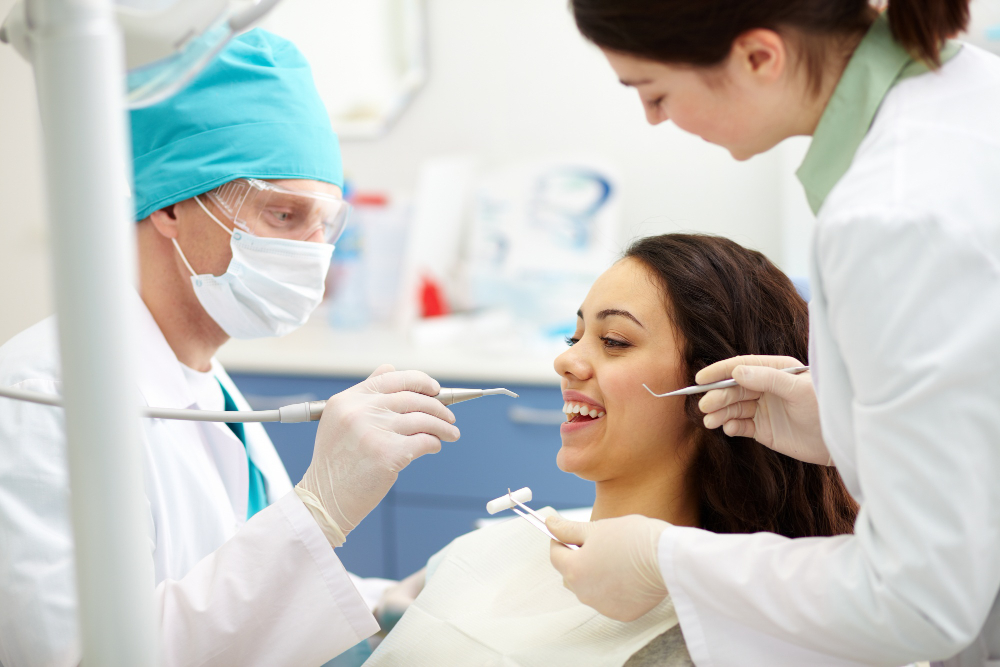
Taking care of your teeth is about more than treating problems after they develop. Preventive dentistry focuses on maintaining your oral health and identifying potential concerns as early as possible.
For patients looking for preventive dentistry in Holly Springs, NC, regular dental care can help support healthy teeth, gums, and overall oral function.
At Anyday Smiles, preventive dentistry is part of a comprehensive approach to maintaining your smile and addressing dental concerns before they become more complicated.
What Is Preventive Dentistry?
Preventive dentistry includes dental care focused on maintaining oral health and reducing the risk of future dental problems.
Depending on your individual needs, preventive dental care may involve:
- Routine dental examinations
- Monitoring your oral health
- Professional preventive care
- Evaluation of your gums
- Checking for signs of tooth decay
- Monitoring existing dental restorations
- Oral hygiene guidance
- Preventive care for children
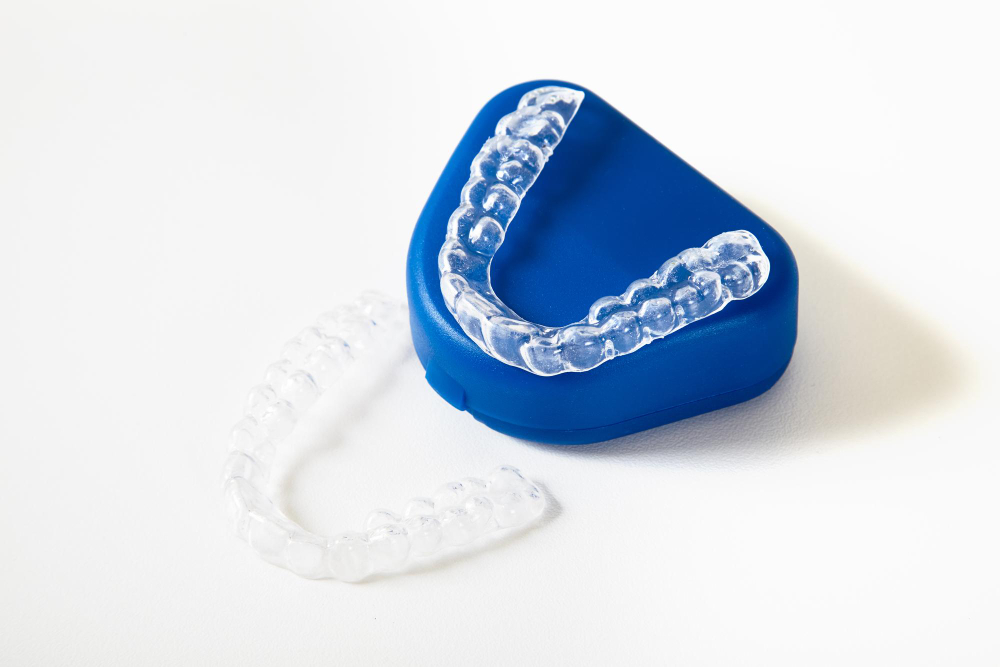
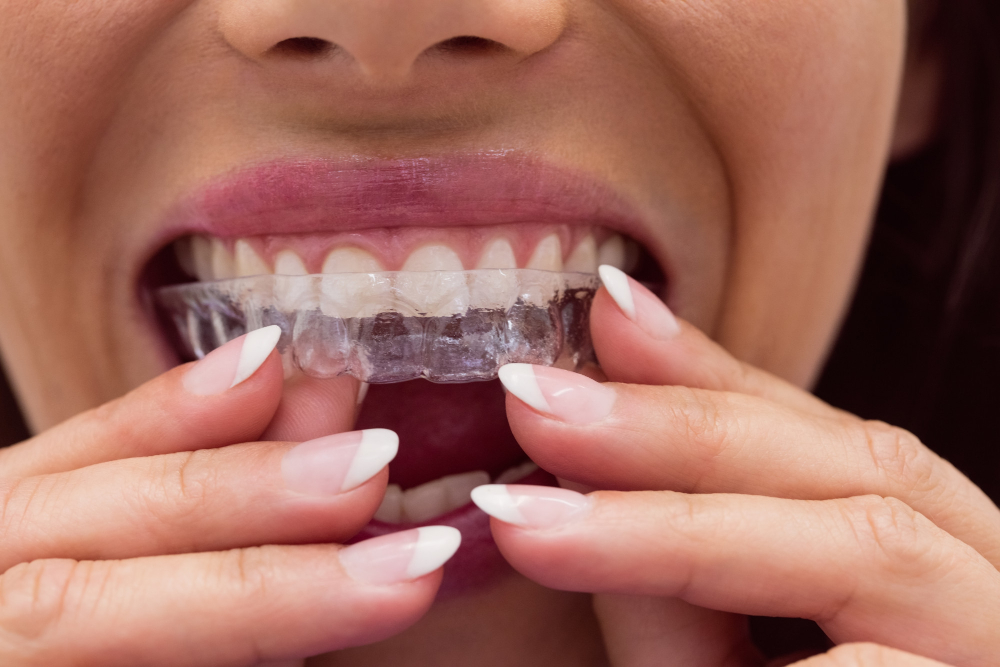
- Recommendations for protecting teeth from damage
The specific care you need depends on your age, oral health, dental history, and individual risk factors.
Why Is Preventive Dentistry Important?
Dental problems can sometimes develop without causing noticeable symptoms in their early stages.
For example, tooth decay or gum problems may not always cause significant pain at first. Regular dental evaluations can help identify changes before they become more advanced.
Preventive care can help you:
- Maintain healthy teeth and gums
- Identify potential dental concerns early
- Reduce the risk of untreated dental problems
- Protect existing dental work
- Learn better oral hygiene habits
- Maintain your smile over the long term
Preventive dentistry is therefore not just about treating today’s concerns. It is also about maintaining your oral health for the future.
What Does Preventive Dental Care Include?
Preventive dentistry is personalized for each patient. Depending on your needs, your dentist may recommend different forms of preventive care.
Routine Dental Examinations
Regular examinations allow your dentist to evaluate your teeth, gums, bite, and overall oral health.
These visits can help identify signs of:
- Tooth decay
- Gum problems
- Tooth wear
- Cracks or damage
- Changes around existing restorations
- Other oral health concerns
Early identification can make it easier to determine an appropriate treatment approach.
Oral Hygiene Guidance
Your daily oral hygiene routine plays an important role in preventive dental care.
Your dentist may provide guidance on:
- Brushing technique
- Flossing
- Cleaning between teeth
- Choosing appropriate oral hygiene products
- Caring for dental restorations
Even small improvements in daily habits can contribute to better long-term oral health.
Gum Health Monitoring
Healthy gums are an important part of a healthy smile.
Signs such as bleeding, swelling, redness, tenderness, or persistent bad breath can sometimes indicate gum problems.
Regular dental evaluations allow your dentist to monitor your gum health and recommend appropriate care when needed.
Preventive Care for Children
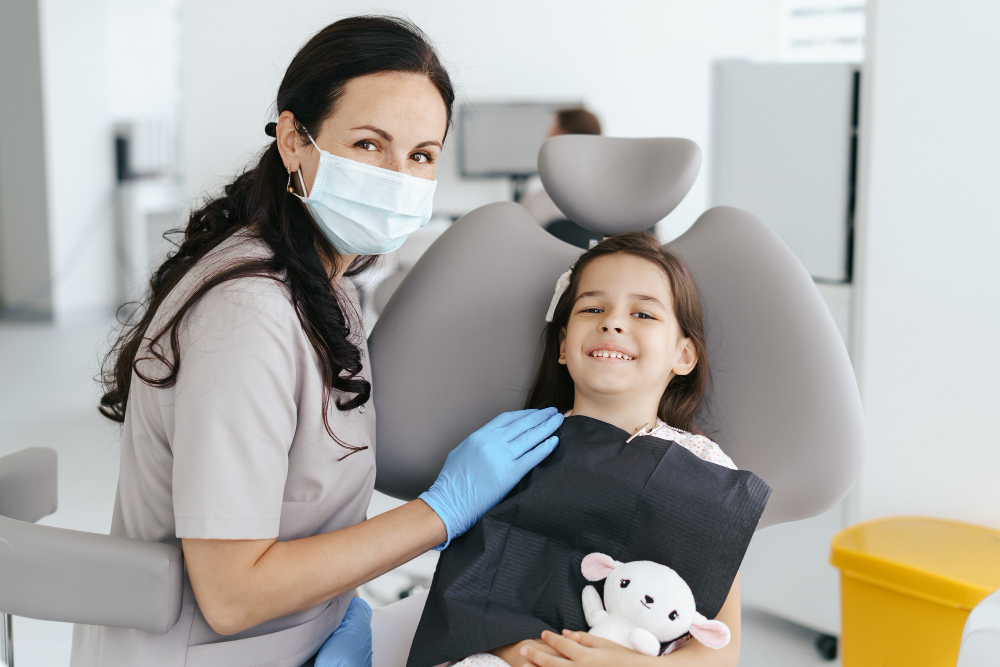
Children benefit from preventive dental care as their teeth and jaws develop.
Preventive dental visits can help parents understand:
- How to care for children’s teeth
- How to encourage good brushing habits
- How diet can affect oral health
- What changes to watch for as permanent teeth develop
- When a dental concern should be evaluated
Creating positive dental habits early can help children become more comfortable with ongoing dental care.
How Often Should You Visit the Dentist?
There is no single schedule that is appropriate for everyone.
Some people may need more frequent dental visits because of factors such as:
- Previous dental problems
- Gum health concerns
- Increased risk of tooth decay
- Existing dental restorations
- Oral hygiene challenges
- Other individual dental needs
Your dentist can recommend a visit schedule based on your oral health and risk factors.
Preventive Dentistry and Tooth Decay
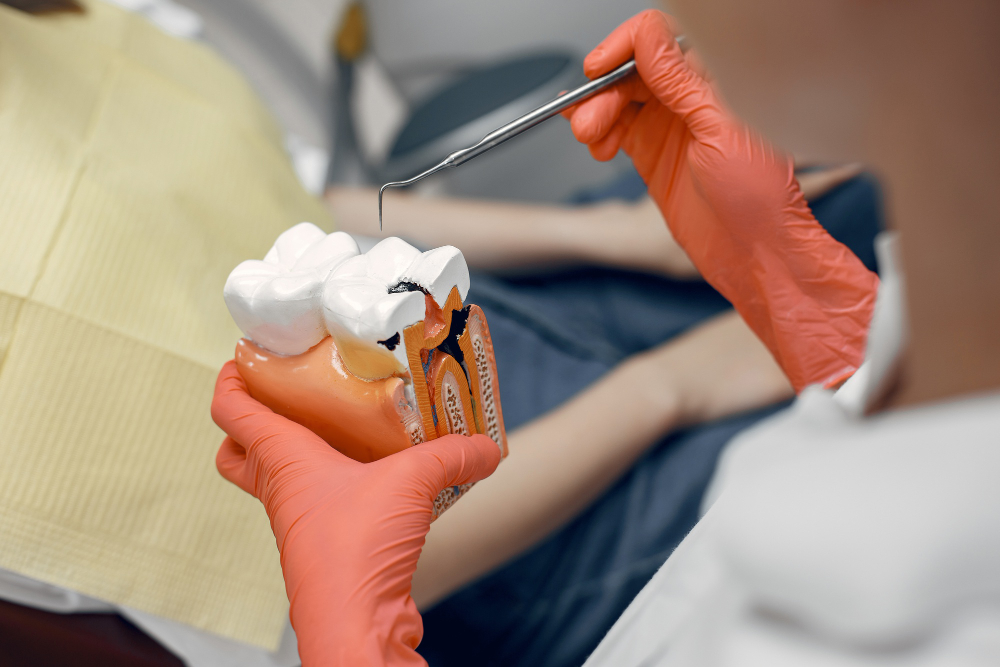
Tooth decay can develop when bacteria and acids gradually damage the tooth structure.
Preventive care can help identify areas of concern and allow your dentist to discuss appropriate treatment before the problem becomes more extensive.
Good daily oral hygiene and appropriate dietary habits are also important parts of reducing the risk of tooth decay.
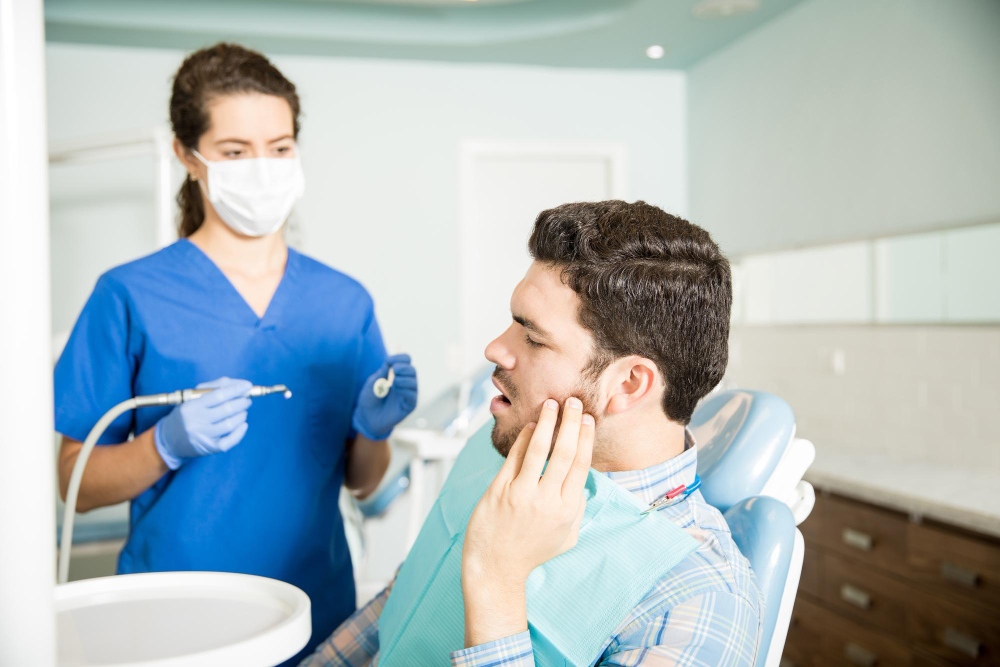
If you experience tooth pain, sensitivity, or a visible change in a tooth, don’t wait for the problem to become severe before having it evaluated.
Preventive Dentistry and Gum Health
Gum health is another important part of preventive dentistry.
Potential warning signs of gum problems include:
- Bleeding when brushing or flossing
- Red or swollen gums
- Persistent bad breath
- Gum tenderness
- Changes in the appearance of the gums
- Gum recession
These symptoms should not simply be ignored.
A dental evaluation can help determine what may be causing the symptoms and whether additional treatment is needed.
Preventive Dentistry for Families
Preventive dental care can benefit people of different ages.
Children, teenagers, adults, and older adults may all have different oral health needs.
For families, having a consistent approach to preventive dental care can make it easier to:
- Monitor changing dental needs
- Establish healthy oral hygiene habits
- Identify problems early
- Maintain existing dental work
- Encourage children to take dental care seriously
A family-focused approach can help make oral health part of a regular healthcare routine.
What Can You Do at Home?
Professional dental care works together with your daily habits.
To support your oral health at home:
- Brush your teeth regularly
- Clean between your teeth
- Follow your dentist’s recommendations
- Avoid frequently consuming sugary foods and drinks
- Drink water regularly
- Don’t use your teeth as tools
- Wear appropriate protection during activities where dental injuries are possible
- Pay attention to changes in your teeth or gums
If something feels different or you notice a persistent change, consider discussing it with your dentist.
When Should You Contact a Dentist?
You should consider scheduling a dental evaluation if you notice:
- Persistent tooth pain
- Tooth sensitivity
- Bleeding or swollen gums
- A chipped or cracked tooth
- A loose tooth
- Changes in your bite
- Persistent bad breath
- Pain when chewing
- A noticeable change in an existing dental restoration
Some dental problems may become more difficult to treat if they are left unaddressed.
Preventive Dentistry vs. Restorative Dentistry
Preventive and restorative dentistry have different primary purposes.
Preventive dentistry focuses on maintaining oral health and identifying potential problems early.
Restorative dentistry focuses on repairing or replacing teeth that have already been damaged or affected by dental disease.
Both approaches can play an important role in maintaining a healthy smile.
Preventive care may help reduce the likelihood of developing certain dental problems, while restorative care can address problems when they occur.
Preventive Dentistry in Holly Springs, NC
If you want to be proactive about your oral health, preventive dentistry can be an important part of your dental care routine.
At Anyday Smiles in Holly Springs, NC, preventive dentistry can help patients maintain their teeth and gums while identifying potential concerns that may require attention.
Regular dental care, good home hygiene, and timely evaluation of unusual symptoms can all contribute to maintaining your smile over time.
Frequently Asked Questions
What is preventive dentistry?
Preventive dentistry focuses on maintaining oral health and identifying potential dental problems before they become more serious.
Why is preventive dental care important?
It can help maintain healthy teeth and gums, identify concerns early, and support long-term oral health.
How often should I see a dentist?
The appropriate frequency depends on your individual oral health, dental history, and risk factors. Your dentist can recommend a schedule for you.
Is preventive dentistry only for adults?
No. Preventive dental care is important for children, teenagers, adults, and older adults.
Can preventive dentistry help prevent cavities?
Good preventive care and daily oral hygiene can help reduce the risk of tooth decay, although cavities can still develop depending on individual risk factors.
What are signs that I may have a gum problem?
Bleeding, swelling, redness, tenderness, gum recession, and persistent bad breath can be signs that your gums should be evaluated.
What should I do if I have tooth pain?
Persistent tooth pain should be evaluated by a dental professional because it can have several possible causes.
Can preventive dentistry help protect existing dental work?
Regular dental care can help monitor existing restorations and identify changes that may need attention.
Final Thoughts
Preventive dentistry is about taking action before dental problems become more complicated.
Maintaining good oral hygiene at home, attending recommended dental visits, and addressing unusual changes early can help support healthy teeth and gums.
If you are looking for preventive dentistry in Holly Springs, NC, Anyday Smiles can help you understand your individual dental needs and develop an appropriate approach to maintaining your oral health.