
Root Canal in Holly Springs: Save Your Tooth and Restore Your Smile
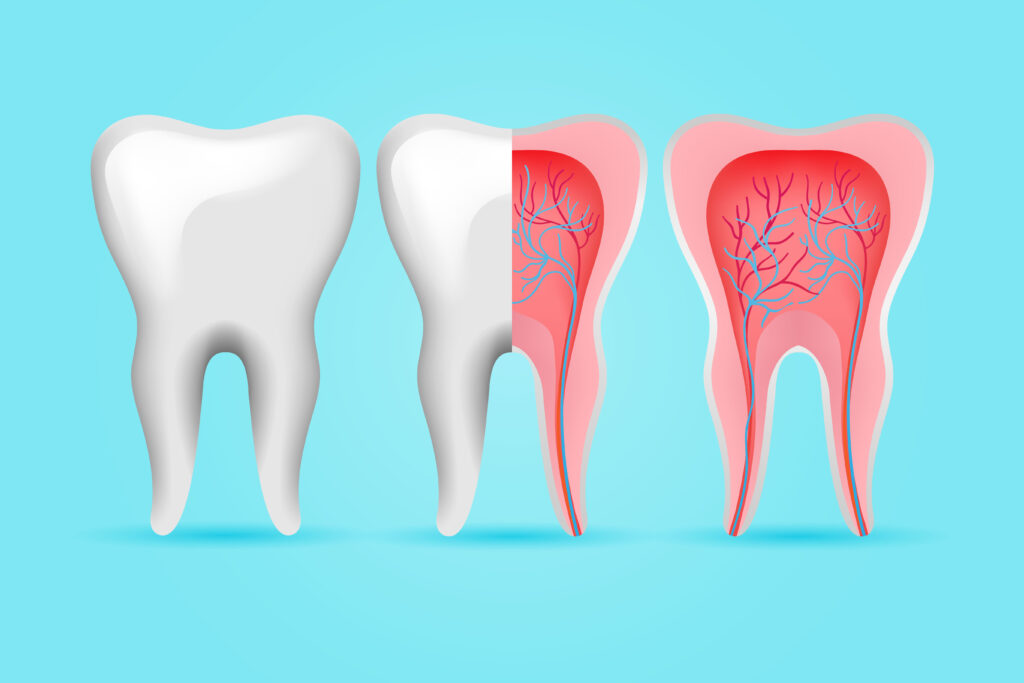
A severe toothache can disrupt your daily routine, making it difficult to eat, sleep, or concentrate. When tooth decay or infection reaches the inner pulp of a tooth, a root canal may be the best solution to relieve pain and save the natural tooth. If you are searching for root canal treatment in Holly Springs, understanding the procedure can help you feel more comfortable and confident about your dental care.
Modern root canal therapy is safe, effective, and far less intimidating than many people imagine. Thanks to advanced technology and improved techniques, most patients experience little discomfort and enjoy long-lasting results.
What Is a Root Canal?
A root canal is a dental procedure used to treat infection or damage inside a tooth. The soft tissue inside the tooth, known as the pulp, contains nerves and blood vessels. When the pulp becomes infected due to deep decay, cracks, trauma, or repeated dental procedures, it can cause severe pain and lead to tooth loss if left untreated.
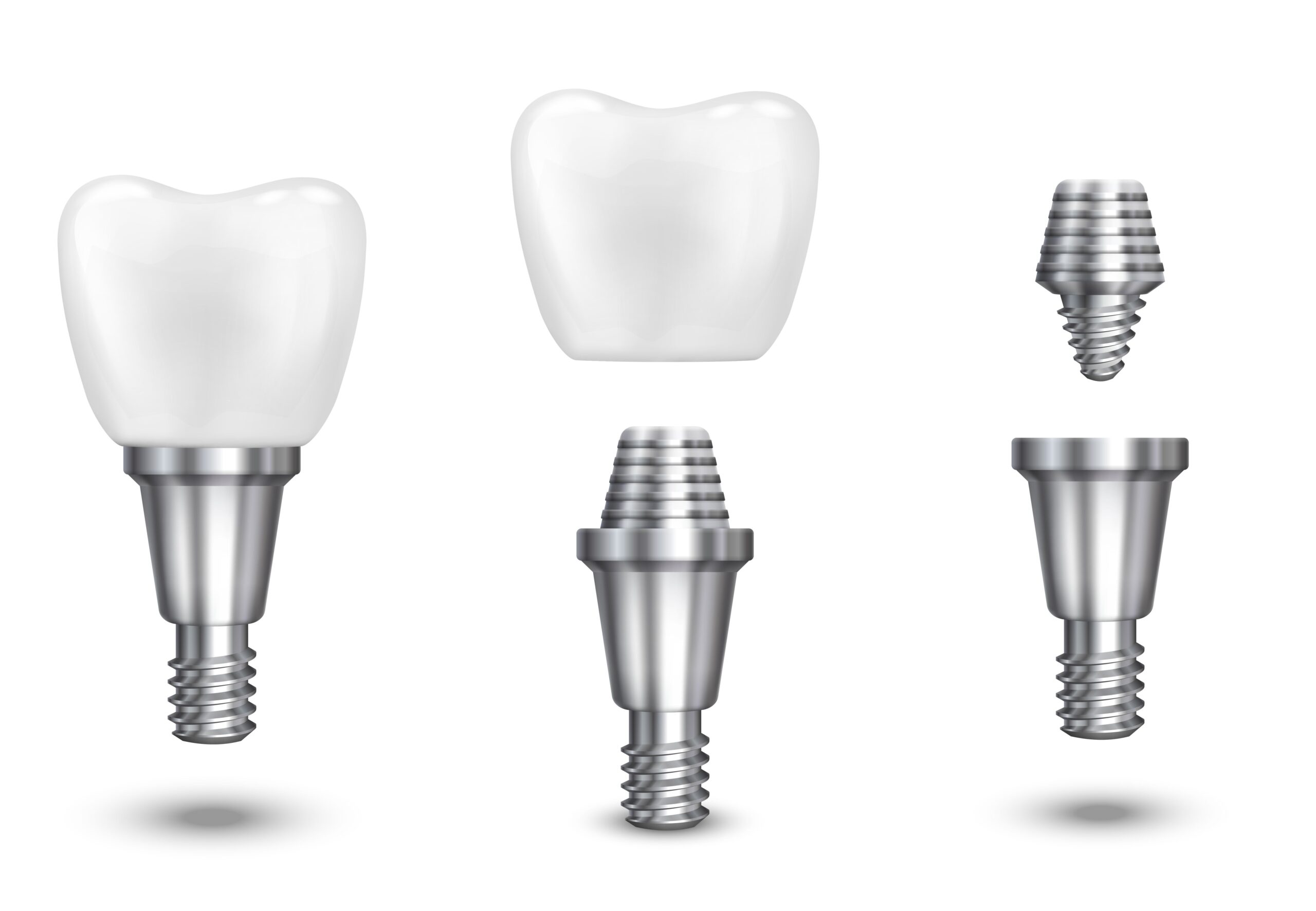
During the treatment, the dentist removes the infected pulp, cleans and disinfects the inside of the tooth, and seals it to prevent future infection. In many cases, a dental crown is placed afterward to strengthen and protect the tooth.
Signs You May Need a Root Canal
Several symptoms may indicate the need for root canal therapy, including:
- Persistent tooth pain
- Sensitivity to hot or cold foods and drinks
- Swollen or tender gums
- Tooth discoloration
- Pain while chewing or biting
- A small pimple or abscess on the gums
- Lingering sensitivity after eating
Some infections may develop without noticeable symptoms, which is why regular dental examinations are important for early detection.
Causes of Tooth Infection
Tooth infections can develop for various reasons, such as:
Deep Tooth Decay
Untreated cavities can spread deep into the tooth and reach the pulp.
Cracked or Broken Teeth
A crack can allow bacteria to enter the inner layers of the tooth.
Dental Trauma
An injury to the tooth may damage the pulp even if no visible crack exists.
Repeated Dental Procedures
Multiple treatments on the same tooth can sometimes irritate or damage the pulp tissue.
The Root Canal Procedure
Many patients in Holly Springs are surprised to learn that root canal treatment is similar to getting a filling.
1. Examination and Diagnosis
The dentist examines the affected tooth and takes digital X-rays to evaluate the extent of the infection.
2. Local Anesthesia
The area is completely numbed to ensure patient comfort throughout the procedure.
3. Removing the Infected Pulp
A small opening is created to access and remove the infected tissue.
4. Cleaning the Canals
The root canals are carefully cleaned, shaped, and disinfected.
5. Sealing the Tooth
The canals are filled with a biocompatible material to prevent reinfection.
6. Restoring the Tooth
A dental crown or permanent restoration is often placed to protect the tooth and restore function.
Benefits of Root Canal Treatment
Choosing root canal therapy offers several advantages:
Saves Your Natural Tooth
Preserving your original tooth helps maintain proper chewing and speaking abilities.
Eliminates Pain
The procedure removes the source of infection and discomfort.
Prevents Tooth Extraction
Root canals often eliminate the need for tooth removal.
Restores Normal Function
Patients can eat, speak, and smile comfortably after treatment.
Long-Term Results
With proper care, a treated tooth can last for many years.
Is a Root Canal Painful?
One of the biggest misconceptions about root canals is that they are extremely painful. In reality, modern root canal treatment is designed to relieve pain rather than cause it.
Local anesthesia and advanced dental technology make the procedure comfortable for most patients. Many people report that the experience is similar to receiving a routine filling.
Recovery After a Root Canal
Recovery is usually quick and uncomplicated. Mild tenderness may occur for a few days, but it often improves with over-the-counter pain medication.
After treatment, patients should:
- Avoid chewing on the treated tooth until fully restored.
- Brush and floss regularly.
- Attend follow-up appointments.
- Avoid very hard or sticky foods initially.
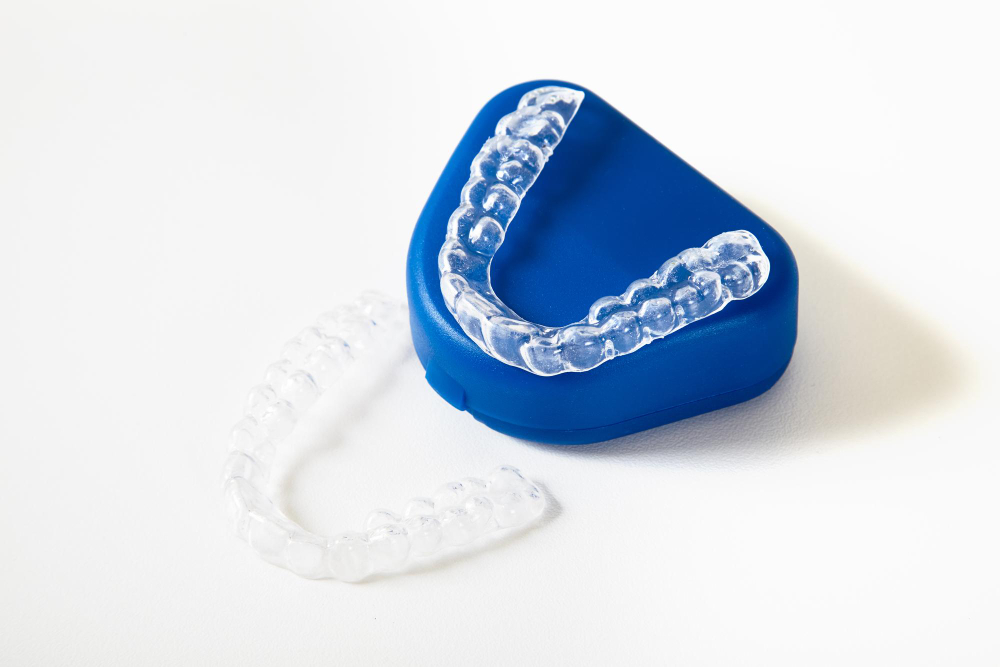
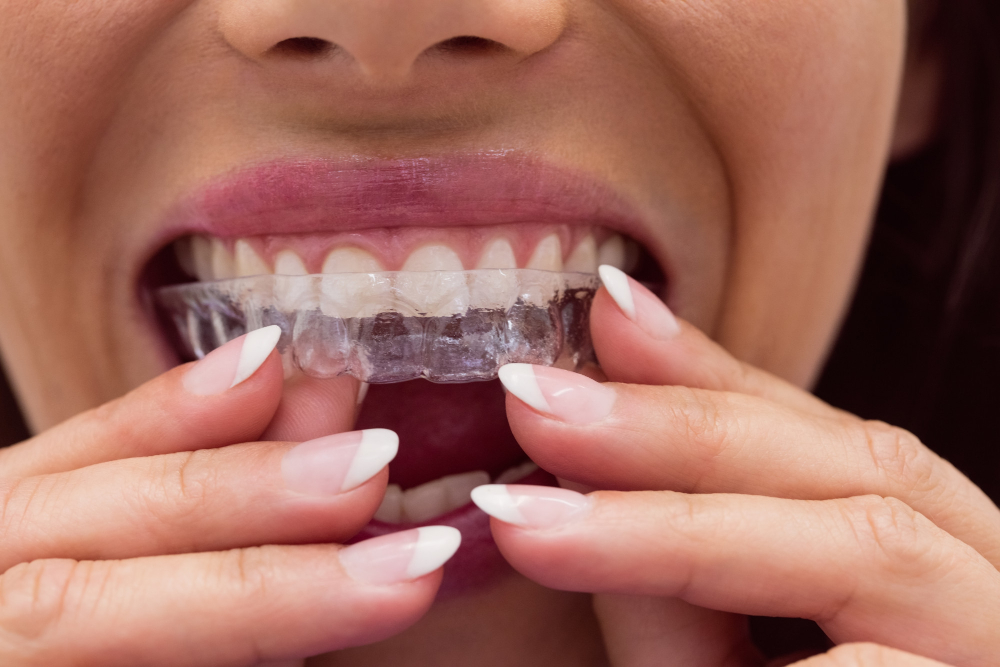
- Wear a night guard if teeth grinding is an issue.
Why Timely Treatment Matters
Ignoring an infected tooth can allow the infection to spread to surrounding tissues and bone. Delaying treatment may increase pain, cause swelling, and eventually require tooth extraction.
Seeking prompt root canal treatment in Holly Springs can preserve your natural tooth, protect your oral health, and prevent more extensive dental procedures in the future.
Choosing a Root Canal Dentist in Holly Springs
When selecting a dentist for root canal treatment, consider factors such as:
- Experience with endodontic procedures
- Advanced diagnostic technology
- Comfortable treatment options
- Positive patient reviews
- Comprehensive restorative services
- Personalized care and treatment planning
A skilled dental team can make the entire experience smooth, comfortable, and successful.
Final Thoughts
Root canal treatment is one of the most effective ways to save a damaged or infected tooth. If you are experiencing tooth pain, sensitivity, or swelling, seeking professional dental care in Holly Springs can help prevent further complications and restore your oral health.
Modern root canals are safe, comfortable, and highly successful, allowing patients to keep their natural teeth and enjoy healthier smiles for years to come.
Get In Touch
Recent Posts




Frequently Asked Questions
Most root canal procedures take between 60 and 90 minutes, depending on the tooth and the severity of the infection.
Many teeth, especially molars, need a crown to provide strength and protection after treatment.
Yes, many patients return to work or normal activities the same day or the following day.
With proper care and regular dental visits, a treated tooth can last for many years or even a lifetime.
Delaying treatment can allow the infection to worsen, potentially leading to severe pain, abscess formation, or tooth loss.