Wisdom Teeth Extraction in Holly Springs: What You Need to Know
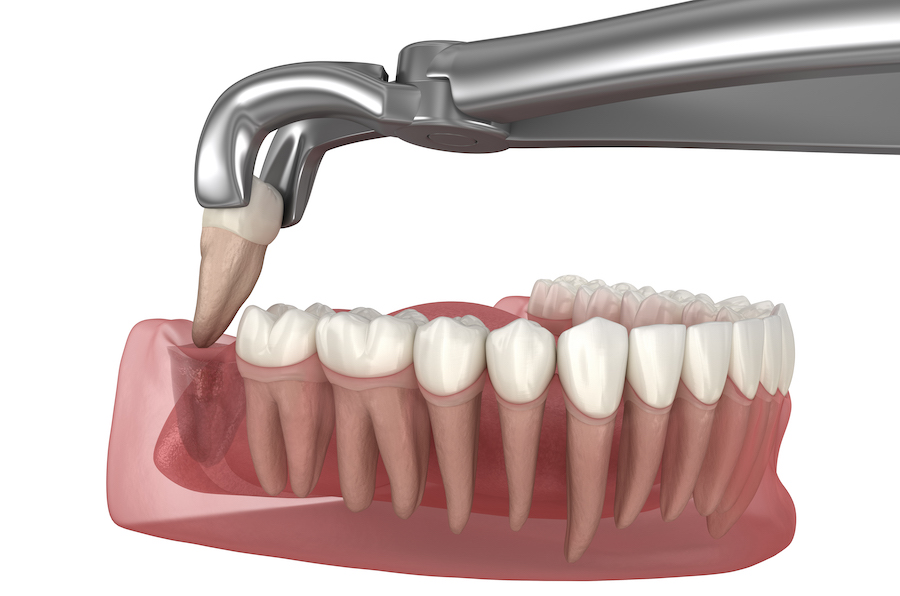
Your wisdom teeth—also called third molars—typically emerge in late teens or early twenties. While sometimes they come in without causing problems, often they don’t have enough space, grow at odd angles, or remain partially or fully impacted. At AnyDay Smiles in Holly Springs, we understand that removal of wisdom teeth can feel intimidating. This guide explains when extraction is necessary, how the process works, and how to prepare for a smooth recovery.
When Is Wisdom Tooth Extraction Necessary?
Not every wisdom tooth requires removal. But extraction often becomes necessary if one or more of the following applies:
Impaction: The tooth is trapped under gum or bone, or growing at an angle that prevents full emergence.
Crowding: Wisdom teeth press against adjacent molars, risking shifting or damaging neighboring teeth.
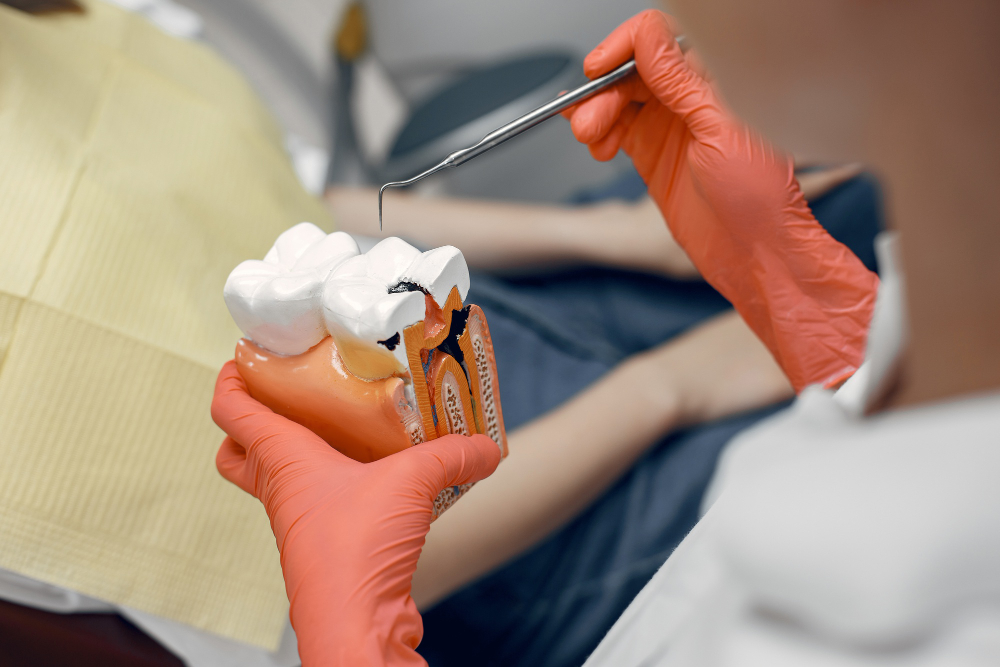
Infection or decay: Partially erupted wisdom teeth can trap bacteria and food, leading to gum inflammation (pericoronitis), tooth decay, or abscesses.
Damage to adjacent teeth: Because of positioning, wisdom teeth may affect second molars by causing decay or bone loss.
Cysts or other pathology: Rarely, untreated impacted wisdom teeth can lead to cyst formation or other complications. Early removal helps reduce risk.
Dentists at AnyDay Smiles evaluate each case individually, often via dental exam and imaging, to decide if extraction is in the patient’s best interest.
What Happens During the Extraction Procedure
Here’s a breakdown of the typical steps:
Consultation and Imaging
Before the procedure, you will have a consultation. X-rays or 3D scans are used to see where the wisdom teeth lie, how they are oriented, how close they are to nerves, bone, etc. This helps plan for the safest approach.Anesthesia and Sedation Options
Local anesthesia numbs the area so you won’t feel pain. For more complex extractions, or if patients are anxious, sedation (conscious sedation, nitrous oxide, or other options) may be offered.Surgical Access
If the tooth is impacted, the gum tissue may be opened (flap created) to access the tooth. Sometimes a portion of bone over the tooth needs to be removed.Tooth Sectioning (if needed)
In some cases, the tooth is too difficult to remove in one piece. It may be divided into segments to ease removal and reduce trauma to surrounding bone.Extraction and Closure
Once loosened (via elevators, then forceps), the tooth is removed. The site is cleaned. If necessary, sutures are placed; many times dissolvable stitches that won’t need a return visit just to remove them.
Aftercare & Recovery
Recovery varies depending on how complex the extraction was (number of teeth, degree of impaction, etc.). Here’s what to expect and how to help the healing process:
Immediate care: Bite down on gauze to control bleeding. Use cold packs on the outside of the cheek during first 24 hours to reduce swelling.
Pain management: Prescription or over-the-counter pain relievers will be provided as needed. Use as directed.
Diet: Eat soft foods (soups, mashed potatoes, yogurt, smoothies). Avoid hot, spicy, crunchy, or chewy foods for several days.
Oral hygiene: Keep the site clean but gentle. Avoid vigorous rinses, straws, or spitting forcefully in the first 24-48 hours. After that, gentle rinsing with warm salt water helps.
Activity: Rest for at least the first day. Avoid heavy lifting or strenuous exercise for several days.
Follow-ups: If sutures are placed, check whether they dissolve. Sometimes a follow up appointment will be scheduled to visit the site and ensure healing.
Risks & Considerations
While wisdom teeth removal is routine, like any surgery it involves some risks. AnyDay Smiles works to minimize these, but it’s important you understand possible complications:
Dry socket: Occurs when blood clot that forms in the extraction site is dislodged or dissolves prematurely, exposing bone and nerves. Very painful, but manageable.
Infection: Bacteria can infect the surgical site. Careful hygiene and following post-op instructions reduce this risk.
Nerve injury: Especially with lower wisdom teeth, nerves that supply lip, chin, or tongue may be near; rare temporary numbness or tingling possible.
Swelling, bruising, pain: Almost everyone experiences some, especially early on. Proper rest and care help.
Dentists evaluate risk vs benefit, particularly for patients with medical conditions or those on certain medications.
How to Prepare: Tips Before Your Appointment
To ensure the best possible experience, here are some preparation tips:
Arrange for someone to accompany you to the appointment, especially if using sedation. You may need a ride home.
Disclose full medical history: any medications, allergies, prior surgeries, etc.
Avoid eating or drinking (as instructed) before surgery if sedation or general anesthesia is involved.
Wear comfortable clothing. Avoid tight collars or jewelry that interfere with access.
Stock up on soft foods and supplies (gauze, cold packs, salt) in advance.
Why Choose AnyDay Smiles in Holly Springs?
At AnyDay Smiles, patient comfort, safety, and clear communication are priorities. From the initial consultation through recovery, the team works to make the process as painless and stress-free as possible. Whether wisdom teeth are causing pain, discomfort, or threaten other dental health, the clinic provides expert care, modern imaging, appropriate anesthesia/sedation options, and thorough aftercare support.
Final Thoughts
If your wisdom teeth are causing pain, crowding your smile, or pose potential future problems, extraction can be the safest route. While the idea can be daunting, modern dental techniques—precise imaging, effective anesthesia, skilled surgeons—make removal much more comfortable than many expect. With proper preparation, good post-op care, and follow-through, healing tends to progress well, allowing you to get back to your daily routine quickly.
If you’re in Holly Springs and think your wisdom teeth may need attention, schedule a consultation with the team at AnyDay Smiles. We’ll evaluate your specific case, explain your options, and help you move forward with confidence.