
Emergency Tooth Extraction in Holly Springs

A severe toothache can disrupt your daily life and quickly turn into a dental emergency. When pain becomes unbearable or a tooth is badly damaged, emergency tooth extraction may be the best solution to protect your oral health. If you are searching for emergency tooth extraction in Holly Springs, understanding the process, symptoms, and treatment options can help you act quickly and avoid further complications.
What Is an Emergency Tooth Extraction?
An emergency tooth extraction is the immediate removal of a tooth due to severe pain, infection, trauma, or damage that cannot be repaired. Dentists typically try to save natural teeth whenever possible, but extraction may be necessary when a tooth threatens surrounding teeth or overall oral health.
Emergency dental care focuses on relieving pain, preventing infection, and restoring comfort as quickly as possible.
Signs You May Need Emergency Tooth Extraction
Several dental problems may require urgent tooth removal. Common signs include:
- Severe or throbbing tooth pain
- Swollen gums or jaw
- Broken or cracked tooth
- Dental abscess or infection
- Bleeding around the tooth
- Loose or damaged tooth after an accident
- Difficulty chewing or biting
- Wisdom tooth pain and swelling
Ignoring these symptoms can worsen the condition and increase the risk of infection spreading to other parts of the body.
Common Reasons for Emergency Tooth Removal
Severe Tooth Decay
When cavities progress deep into the tooth and damage the nerve, the tooth may become impossible to restore with fillings or crowns.
Advanced Gum Disease
Periodontal disease can weaken the bone and tissues supporting the teeth, causing teeth to loosen and require extraction.
Dental Trauma
Sports injuries, falls, or accidents can crack or break teeth beyond repair.
Impacted Wisdom Teeth
Wisdom teeth can become trapped beneath the gums, causing pain, swelling, and infection.
Tooth Infection
An untreated abscess can spread rapidly and may require immediate extraction to stop the infection.
What to Expect During an Emergency Tooth Extraction
Emergency tooth extraction procedures are designed to be safe and comfortable. Your dentist will first examine the tooth using digital X-rays to determine the severity of the problem.
Step 1: Examination and Diagnosis
The dentist evaluates the tooth, surrounding gums, and jawbone to decide whether extraction is necessary.
Step 2: Local Anesthesia
The area is numbed to minimize discomfort during the procedure.
Step 3: Tooth Removal
The dentist carefully removes the damaged tooth. Surgical extraction may be required for impacted or broken teeth.
Step 4: Aftercare Instructions
You will receive detailed instructions for healing, pain management, and preventing complications.
Recovery After Tooth Extraction
Most patients recover within a few days after an emergency extraction. Proper aftercare helps promote faster healing.
Tips for Recovery
- Rest for the first 24 hours
- Avoid smoking and alcohol
- Eat soft foods like yogurt, soup, and mashed potatoes
- Use ice packs to reduce swelling
- Keep the extraction site clean
- Avoid drinking through a straw
Following your dentist’s instructions carefully can help prevent dry socket and infection.
Benefits of Emergency Tooth Extraction
Seeking immediate dental care offers several advantages:
- Fast pain relief
- Stops the spread of infection
- Protects nearby teeth and gums
- Improves oral health
- Prevents serious complications
Early treatment can save you from more extensive and costly dental procedures later.
Emergency Dental Care in Holly Springs
Finding prompt dental care is essential during a dental emergency. Many dental clinics in Holly Springs offer same-day emergency appointments for tooth extractions and urgent dental treatments.
Experienced emergency dentists use modern technology and gentle techniques to ensure comfortable care for patients of all ages.
Preventing Future Dental Emergencies
While some emergencies are unavoidable, maintaining good oral hygiene can reduce your risk of needing emergency extractions.
Prevention Tips
- Brush twice daily
- Floss regularly
- Visit your dentist for routine checkups
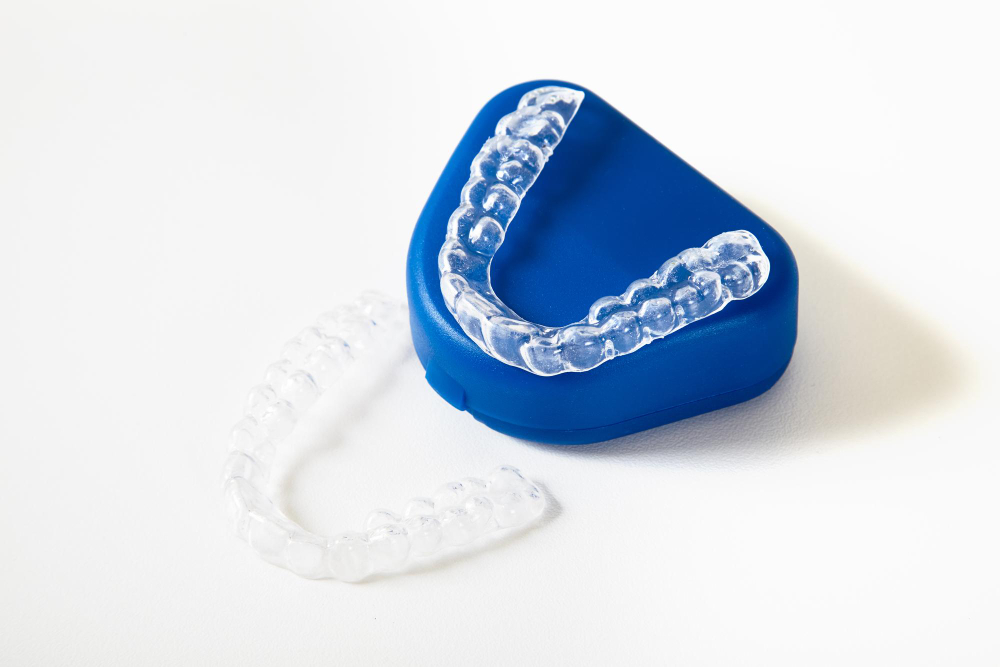
- Wear a mouthguard during sports
- Treat cavities early
- Avoid chewing hard objects like ice
Regular dental care helps identify problems before they become emergencies.
Get In Touch
Recent Posts





Frequently Asked Questions
Severe pain, swelling, infection, or a badly damaged tooth are common signs you may need emergency extraction.
Dentists use local anesthesia to keep the procedure comfortable and minimize pain.
Most patients recover within a few days, though complete healing may take a couple of weeks.
Yes, but it is best to eat soft foods and avoid hot or crunchy foods for the first few days.
Avoid smoking, drinking through straws, and vigorous rinsing to help the area heal properly.