Dental Bridges in Holly Springs: Restoring Your Smile with Confidence
At Anyday Smiles in Holly Springs, we understand how the loss of one or more teeth can affect more than just your appearance. Missing teeth impact speech, chewing ability, facial structure, and even your self-esteem. Dental bridges are one of the excellent restorative dentistry options we offer—designed to fill gaps, restore function, and give you back your smile. Here’s what you need to know about bridges, as offered by Anyday Smiles, and what to expect when you explore this treatment.
What Is a Dental Bridge?
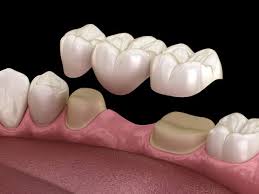
A dental bridge is a fixed prosthetic device used to replace one or more missing teeth. It consists of one or more “pontics” (false teeth) held in place by crowns on adjacent teeth (called abutment teeth), or supported by dental implants. Because it’s fixed, it stays in place and acts like your natural teeth when properly cared for.
At Anyday Smiles, bridges are part of our restorative dentistry services. We carefully evaluate each patient to determine the right kind of bridge—traditional, implant-supported, or another type—depending on the condition of your remaining teeth, jawbone, and overall dental health.
Types of Dental Bridges
There are several different kinds of dental bridges, and the best one for you depends on your specific situation:
Traditional Bridges: These are the most common form. They involve placing crowns on teeth on either side of the gap, with a false tooth in between. These bridges are fixed in place and require alteration of the adjacent natural teeth so they can support the crowns.
Cantilever Bridges: These are used when there are adjacent teeth on only one side of the gap. Because they have support on just one side, they are less common and typically used only when other options aren’t viable.
Maryland (Resin-Bonded) Bridges: These use “wings” bonded to the backs of the adjacent teeth rather than full crowns. They require less alteration of natural tooth structure but are generally not as strong, so they are more common in front teeth or areas with lighter chewing forces.
Implant-Supported Bridges: Where a traditional bridge would rely on natural teeth, an implant-supported bridge uses dental implants as anchors. This option often preserves more of your jawbone because implants act similarly to natural tooth roots and provide better long-term support.
Benefits of Choosing a Dental Bridge
Dental bridges offer many advantages, especially when done well:
Restored Function
Bridges help you chew and speak more comfortably. Gaps can disrupt bite and speech; a bridge restores these functions.Improved Appearance and Confidence
Replacing missing teeth gives your smile a fuller, more youthful appearance. Restoring your smile often boosts confidence immensely.Preservation of Facial Structure
When teeth are missing, the underlying bone can deteriorate over time. While bridges don’t replace tooth roots (unless implants are used), they help preserve neighboring teeth and maintain normal alignment. Implant-supported bridges in particular help with bone stimulation.Preventing Shifting of Remaining Teeth
Without something in the gap, adjacent teeth can drift or tilt into empty space, causing misalignment and further dental problems. A bridge stabilizes the dental arch.Durability
With proper care—brushing, flossing, avoiding overly hard foods, and regular dental checkups—bridges can last many years. Traditional bridges often last 5-15 years, sometimes more. Implant-supported types may last even longer.
What to Expect from the Procedure
Here’s what a typical journey looks like when getting a bridge at a practice like Anyday Smiles:
Evaluation & Planning: First, your dentist will examine your teeth, gums, and bone structure. X-rays or scans are likely needed. We’ll discuss your goals, whether a traditional or implant-supported bridge makes the most sense, and whether other dental work (like treating gum disease or doing root canals) is needed first.
Tooth Preparation: If you go with a traditional bridge, the teeth adjacent to the gap will be reshaped to accommodate crowns. If you choose Maryland, only minimal preparation may be needed. For implant-supported options, surgery may be needed to place the implants, followed by a healing period.
Taking Impressions: Using either traditional molds or digital scanning, impressions are made of your mouth. These serve as templates for your bridge.
Temporary Bridge (if needed): While the permanent bridge is being fabricated—especially if crowns are involved—you’ll often receive a temporary bridge to protect the prepared teeth and maintain appearance and function.
Fitting & Placement: Once the bridge is ready, it’s tried on, adjustments are made, and then permanently fixed in place (cemented or screwed, depending on type). The fit, bite, color, and comfort are all checked carefully.
Aftercare: After placement, your dentist will give instructions on how to care for your bridge. You’ll need to clean under the pontic and around the abutment teeth carefully. Regular dental check-ups are essential to monitor the bridge and surrounding structures.
Is a Dental Bridge Right for You?
Dental bridges are a great option for many, but not everyone may be an ideal candidate. Here are factors that affect suitability:
Health of your abutment teeth: They need to be strong enough to support the bridge.
Condition of gums and bone: Healthy gums and sufficient bone structure are important, especially for implant-supported bridges.
Oral hygiene habits: Bridges require diligent cleaning; neglecting care can lead to decay or gum issues.
Budget and time considerations: Implant-supported bridges usually cost more and may require more appointments over time; traditional bridges can be quicker and less costly in the short term.
At Anyday Smiles, we find a restorative plan that fits your dental health, aesthetic goals, and financial comfort.
Caring for Your Dental Bridge
To make your bridge last as long as possible, follow these guidelines:
Brush twice a day with a soft-bristle brush.
Floss daily, making sure to clean under the pontics (using floss threaders or special tools).
Use non-abrasive toothpaste.
Avoid biting very hard objects (ice, hard candies, pens).
Attend regular dental checkups and cleanings at Anyday Smiles.
Report any pain, looseness, or discomfort promptly.
Why Choose Anyday Smiles in Holly Springs
At Anyday Smiles, we combine state-of-the-art restorative dentistry with a patient-centered approach. Our team takes time to explain all your options, using digital imaging and modern prosthetic materials to ensure comfort, durability, and aesthetic results. We understand that each smile is unique, and we design bridges not just to fill gaps—but to restore function, protect health, and help our patients feel confident again.
If you’ve lost one or more teeth in Holly Springs, you don’t have to live with the gap or its effects. Dental bridges may be the solution that restores your normal chewing, speaking, and smiling—reach out to Anyday Smiles to schedule a consultation and explore the options best suited for your smile.