Teeth Straightening at Home: What Every Parent Should Know
On the off chance that a child’s teeth do not align perfectly, all too many parents scour the web for “teeth straightening at home” solutions. With all that being said, at-home products seem practical and cost-efficient. Here, as a trusted pediatric dentistry practice, we set the record straight and guide toward safe, evidence-based alternatives to protecting one’s child’s oral health.
What Do You Mean by “Teeth Adjustment at Home”?
Teeth alignment at home typically refers to aligners, braces kits, or other specialized tooth movement devices marketed towards and for use remotely:
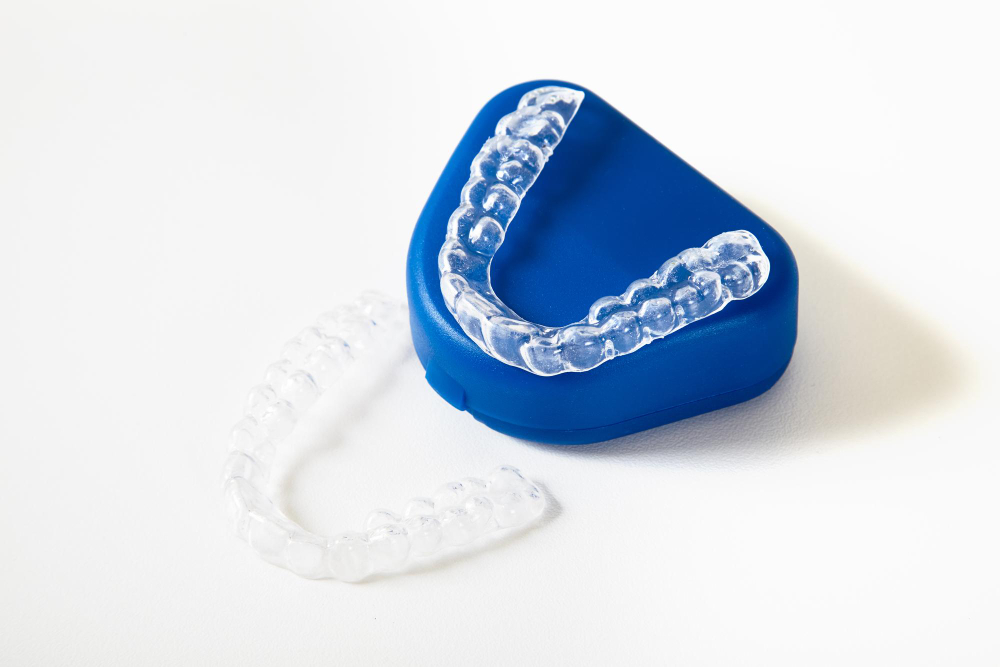
Clear aligners that are sent to your door after you submit your impressions or scans
Braces kits involving elastic bands or wires that consumers attach at home themselves
“Adjusters” or other orthodontic instruments sold over-the-counter
It is indeed enticing in promise for convenience, but it is prudent to understand the risks – particularly children.
Risks and Concerns of Home Teeth Straightening
Lack any professional oversight Supervision
Aligning teeth is not merely the act of moving them into position, but rather also monitoring root movement, jaw alignment, bite, and periodontal (gum and bone) health. If there are no appropriate checks, teeth will move in undesired directions, the roots may get resorbed, or the bone support may get compromised.
Improper Diagnosis or Unrecognized Complications
Extractions, expanders, or even surgery may be required in some cases. At-home methods cannot account for underlying jaw growth discrepancies or skeletal issues.
Causation of Discomfort, Pain, or Accidental Injury
Improperly applied forces can indeed be uneven, causing pain, recession of the gums, or even injury to the teeth above.
Legal and ethical issues
The majority of “do-it-yourself” orthodontic kits do not carry FDA approval or professional standards. In fact, in many jurisdictions, customized orthodontic care can legally be afforded only by licensed professionals.
Safe Alternatives: Guided Treatment Under Expert Care
Instead of fully DIY, these would be safer alternatives:
Hybrid models Some orthodontists partner with companies: you get aligners, but a licensed specialist monitors progress remotely. It combines convenience and oversight.
In the Clinic-guided aligners In-home: there are now several modern aligner systems that come with flexibility: your child can change aligners at home but under the super vision of a pediatric dentist or orthodontist. They combined the benefits of home comfort and professional safety.
Interceptive orthodontics Early intervention in growing children by using palatal expanders, space maintainers, removable appliances would help minimize or simplify comprehensive future treatment. As a pediatric dentistry practice, we often recommend and implement these proactive measures to guide teeth and jaw development.
The Role of Pediatric Dentistry
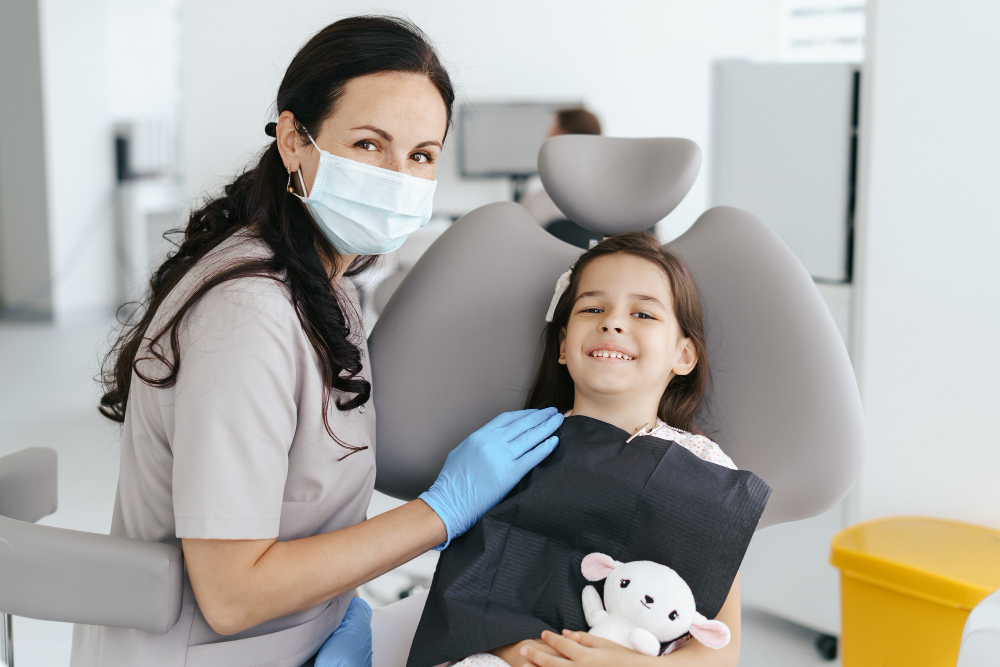
Pediatric dentistry at Any Day Smiles encompasses more than check-ups and cleanings. We specialize in comprehensive oral health for children, including:
Monitoring of jaws and dental arches for growth.
Identifying harmful habits (like thumb sucking or tongue thrusting) that can alter alignment.
Timing the orthodontic intervention by growth maximizing opportunities, reducing the needed invasive treatments
Coordinating with orthodontists or providing some corrective appliances ourselves
We can supply safe, effective, personalized care by blending pediatric dentistry with orthodontic oversight – and not leave parents out in the open to navigate risky “teeth straightening at home” practices.
What Do Parents Want to Know About Straightening Their Child’s Teeth?
The first thing: get an evaluation
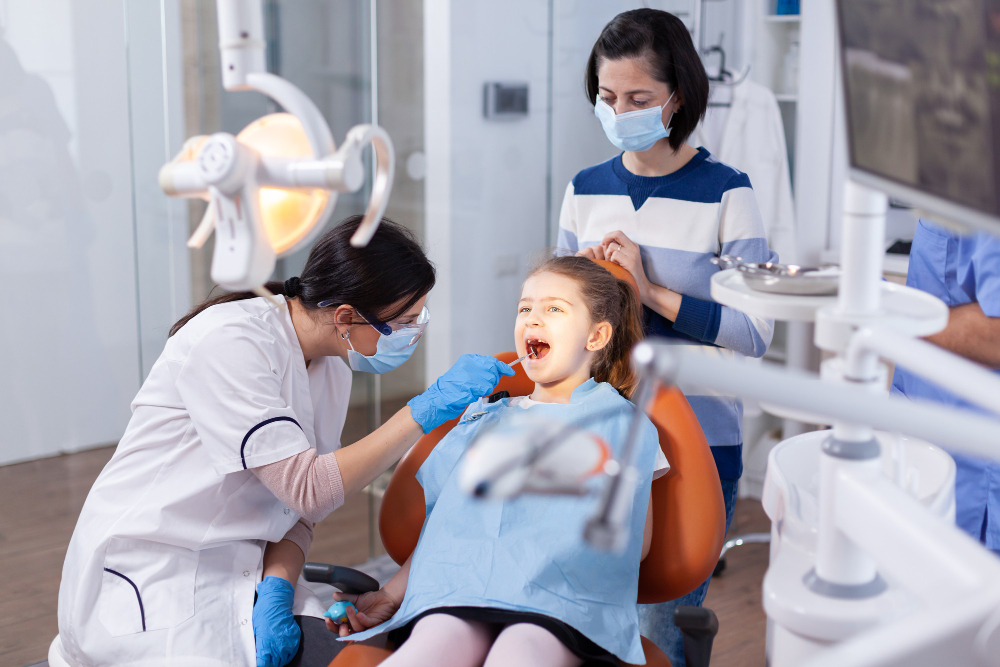
A really thorough exam, and maybe a radiograph, allow for an understanding of how the child’s bite, jaws, and roots are positioned and where there’s room for future growth.
Ask the right questions
Is this aligner/kit FDA-approved or cleared?
Will a licensed pediatric dentist or orthodontist monitor progress?
What happens if teeth don’t move as expected?
Do not buy “one-size-fits-all” kits
Every child’s mouth is different; thus, generic kits have higher risks.
Encouraged early detection and intervention
In pediatric dentistry, discovering malalignment conditions and taking action early usually averts needing lengthy treatment later.
Be informed and involved
Even in semi-remote schemes, there should be communication between parents and the dental provider, namely, reporting discomforts and abnormal findings as well as following up check-up schedules advised.
All things considered
Which does look like a shortcut to “teeth straightening at home,” carries a risk: especially for children who are still growing. Expert opinion of the pediatric dentist holds that the best results come from combining professional oversight and the most convenient tools available. Thus, at Any Day Smiles, we shall safely guide you through the process of alignment, ensuring the function and beauty of your child’s smile.
You might want to try the alignment options that are safe for your child, or even just a professional opinion-hence, do feel free to contact us. Let’s make sure your child’s teeth are beautifully aligned and that each step can be healthy.