
Bleeding Gums Treatment in Holly Springs
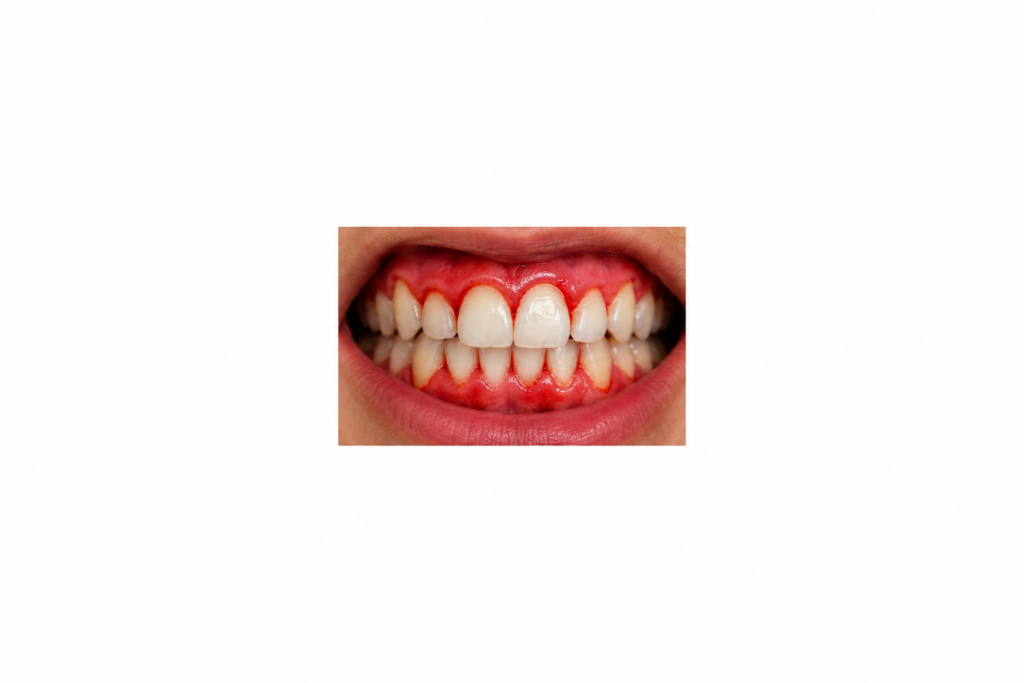
Bleeding gums are one of the most common early signs of gum disease, but many people ignore them until the condition becomes painful or advanced. If you notice bleeding while brushing, flossing, or even eating, it’s important to seek timely dental care in Holly Springs, North Carolina, USA before it progresses into serious periodontal issues.
What Causes Bleeding Gums?
Bleeding gums are usually not normal and often indicate an underlying oral health problem. The most common causes include:
- Plaque buildup along the gumline
- Gingivitis (early gum disease)
- Poor brushing or flossing habits
- Vitamin deficiencies (especially Vitamin C & K)
- Hormonal changes (pregnancy or puberty)
- Smoking or tobacco use
- Medical conditions like diabetes
- Certain medications (blood thinners)
When plaque is not removed properly, it hardens into tartar, which irritates the gums and causes inflammation and bleeding.
Symptoms You Should Not Ignore
Bleeding gums rarely occur alone. You may also notice:
- Red, swollen, or tender gums
- Bad breath that doesn’t go away
- Gum recession (teeth appearing longer)
- Sensitivity while eating hot or cold foods
- Loose teeth in advanced stages
If these symptoms are present, early dental treatment is necessary to prevent tooth loss.
Professional Bleeding Gums Treatment Options in Holly Springs
Dentists in Holly Springs focus on treating both the symptoms and the root cause of gum bleeding.
1. Deep Dental Cleaning (Scaling & Root Planing)
This is the most common treatment. It removes plaque and tartar from below the gumline and smooths tooth roots to help gums reattach properly.
2. Gum Disease Therapy
If infection is present, dentists may recommend antimicrobial mouth rinses or localized antibiotic treatments.
3. Improved Oral Hygiene Guidance
Patients are taught proper brushing techniques, flossing methods, and the use of interdental brushes.
4. Medication or Medical Review
If bleeding is linked to medications or health conditions, your dentist may coordinate with your physician.
5. Advanced Periodontal Treatment
In severe cases, surgical procedures like flap surgery or gum grafting may be required.
Home Care Tips to Stop Bleeding Gums
While professional treatment is essential, daily care also plays a big role:
- Brush twice daily using a soft-bristled toothbrush
- Floss gently every day
- Use an antibacterial mouthwash
- Eat a balanced diet rich in vitamins
- Avoid smoking and tobacco products
- Stay hydrated to maintain saliva flow
Why Early Treatment Matters
Ignoring bleeding gums can lead to advanced gum disease (periodontitis), which can:
- Damage jawbone support
- Cause permanent tooth loss
- Increase risk of heart disease and diabetes complications
- Lead to costly dental procedures later
Early treatment is simple, effective, and much more affordable than advanced periodontal care.
When to Visit a Dentist
You should schedule a dental appointment if:
- Bleeding lasts more than a week
- Gums are swollen or painful
- You notice bad breath or gum recession
- Teeth feel loose or sensitive
Early diagnosis ensures better outcomes and faster healing.
Get In Touch
Recent Posts


Frequently Asked Questions
No, it usually indicates gum inflammation or early gum disease.
Yes, early gingivitis can be completely reversed with proper treatment and hygiene.
Mild cases improve in 1–2 weeks; advanced cases may need multiple visits.
Not always, but infection is a common cause and should be ruled out by a dentist.
Home care helps, but professional cleaning is needed for lasting results.